Smart Car Differential
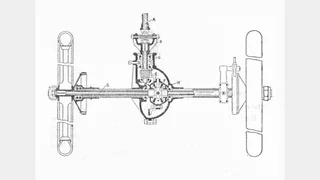
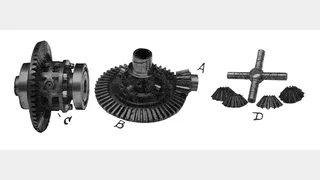
A Smart car differential is the final drive component that lets the driven wheels rotate at different speeds while the transmission sends torque through a compact rear assembly. Because these small cars use tightly packaged drivelines, transmission type, fluid specification, and fitment all shape how the unit behaves. The measured query “smart car differential” points to a part often misunderstood by used-car shoppers and owners hearing an unusual sound or watching a dashboard light. This guide explains the basic function, the common operational observations, and why shift behavior, diagnostic codes, service history, and repair options matter.
Essential answer
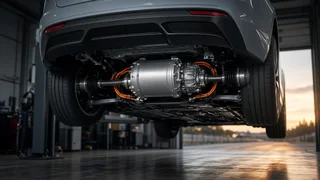
The differential in a Smart car performs the same core job as one in a larger vehicle: it splits drive force between two wheels while allowing a speed difference in turns. On a short-wheelbase city car, the unit is usually integrated with the transmission case or positioned in a compact rear module. Its small size does not remove the need for a correct fluid specification; the internal gears still rely on a specific lubricant film to control wear, heat, and gear noise.
When owners search for information on a Smart car differential, the useful first step is to identify the transmission type and whether the symptom involves normal action or a fault. A mild click on full steering lock can simply be the differential allowing wheel-speed variation. A rhythmic clunk, whine under load, or fluid leak is a stronger reason to check diagnostic codes, service history, and fitment before choosing repair options. The part is not a single universal component across every Smart model.