Hydrophobic coating for car glass
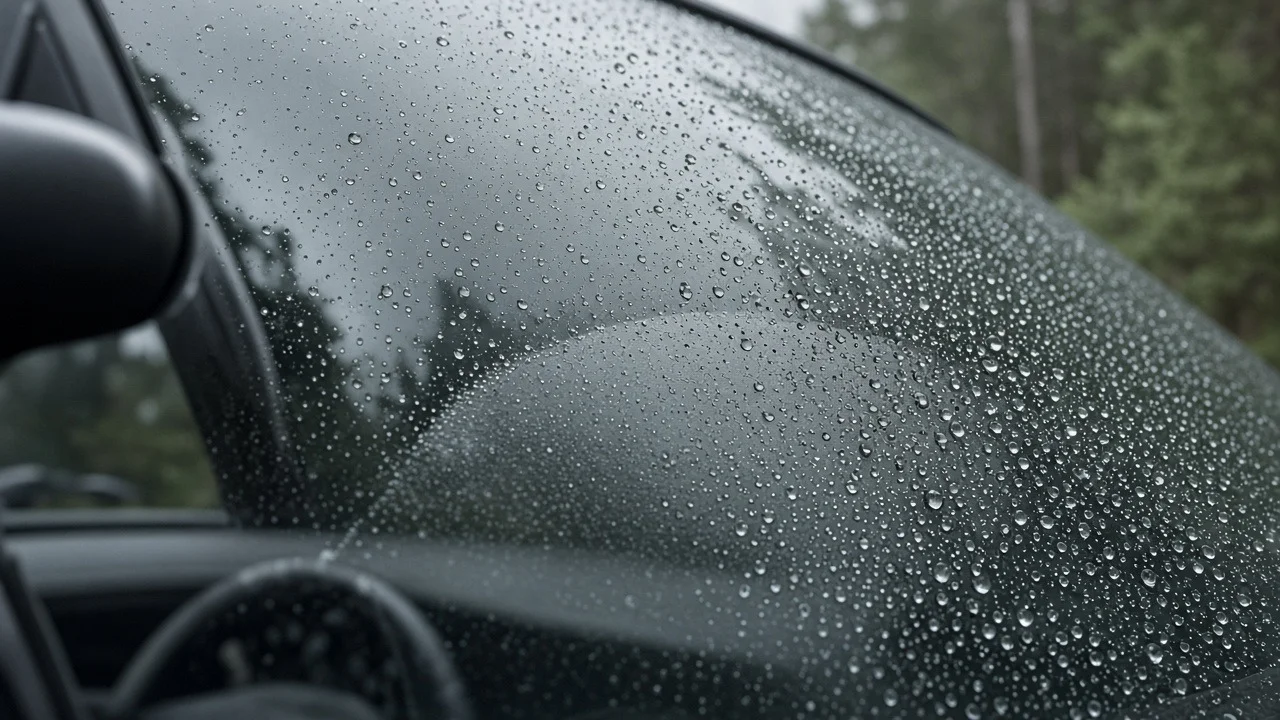
A hydrophobic coating for car glass changes how water behaves on windshields and side windows, but it is not a permanent glass treatment. Drivers researching this product often want clearer wet-weather vision, reduced ice adhesion, or easier cleaning. The coating works by making the glass surface repel water so droplets bead and roll away instead of smearing. Understanding the chemistry, surface preparation, durability limits, and fitment for your particular glass helps set realistic expectations before applying any product.
Essential answer
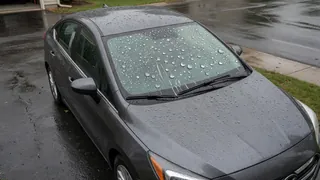
A car hydrophobic glass coating is a surface treatment designed to increase the contact angle of water on automotive glass. Instead of forming a flat sheet, rainwater gathers into beads that airflow can push off the windshield. This effect generally improves visibility at speed because less water remains in the driver’s direct line of sight. The product typically contains a reactive silicone, silane, or fluoropolymer carried in a solvent that flashes off during application.
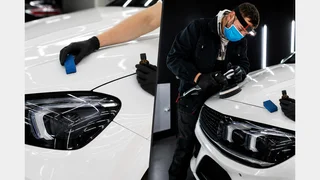
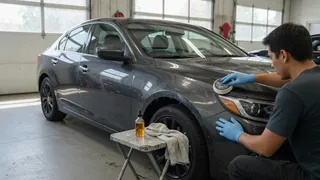
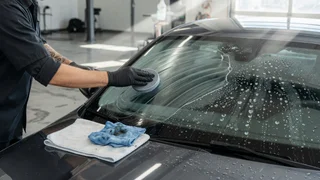
The coating is applied to a clean sealing surface so it can bond with the glass specification of the pane. However, not all windshields accept every formula equally; adhesive compatibility with aftermarket films, heated grids, or existing water-repellent layers can affect results. A product sold as a windshield hydrophobic glass oil remover coating tool may include an applicator and a polishing step, but the real functional layer comes from the chemistry left behind. The treatment is a sacrificial layer that degrades with wiper abrasion and detergent washing.