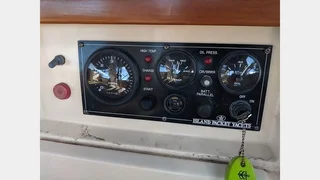
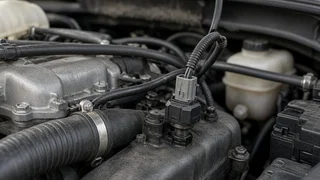
Oil pressure sensor and the check engine light
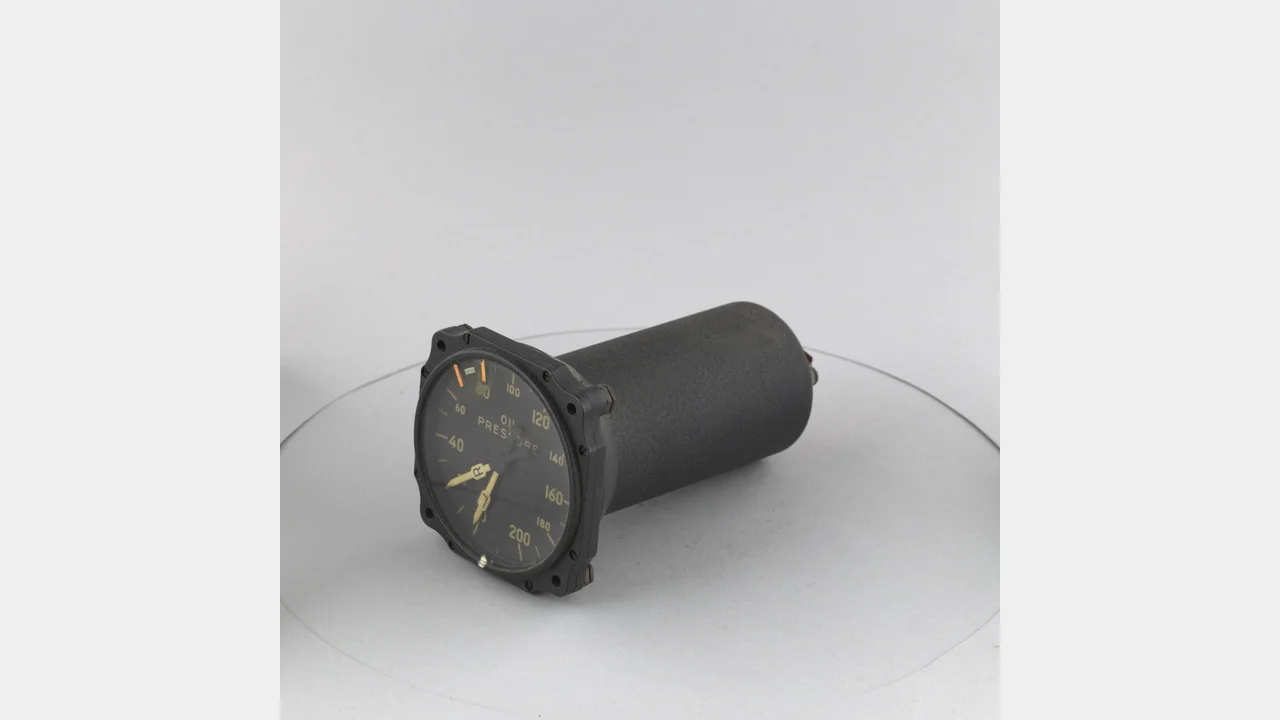
A check engine light accompanied by an oil pressure warning can be confusing because the two alerts do not always share the same circuit. The oil pressure sensor, sometimes called an oil pressure switch, reports lubricant pressure changes to the gauge, cluster, or engine control module. When that signal becomes missing, implausible, or electrically failed, a diagnostic trouble code may illuminate the check engine light even though lubrication itself remains normal. Understanding how the sensor operates and how to test it helps separate a simple signal fault from a genuine low-pressure condition.
Essential answer
The essential answer is that an oil pressure sensor can cause a check engine light, but not in every vehicle. On many systems the sensor feeds a dedicated warning lamp or gauge and does not communicate with the powertrain control module. However, modern controllers increasingly monitor the oil pressure switch for rational operation, especially when variable-displacement oil pumps or active lubrication strategies are used. When the controller receives no signal, an out-of-range voltage, or a value that conflicts with expected engine operating conditions, it may store a fault and turn on the check engine light.
The distinction matters because the code describes the electrical circuit, not a confirmed mechanical failure. A low oil pressure switch signal may mean the engine truly has inadequate lubrication, or it may mean the sensor connector is contaminated, the wiring is damaged, or the sensing element has drifted. The check engine light alone should not be read as proof that the sensor has failed. Basic confirmation begins with reading the stored diagnostic code, checking the oil level, and observing whether a separate oil pressure gauge or warning lamp is also behaving abnormally.