Check engine light with high oil pressure

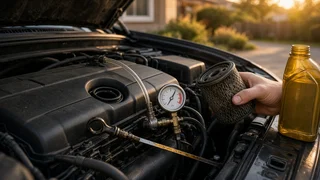
A check engine light accompanied by a high oil pressure reading can feel like conflicting warnings. The engine computer requests attention while the gauge or message suggests pressure is above the expected range, yet neither signal alone proves what is wrong. Oil pressure reflects resistance to lubricant flow through bearings, galleries, and the pump relief circuit, so an elevated indication may point to a sending unit error, a bypass condition, restricted flow, or an electrical correlation. Understanding the relationship between the warning lamp and the pressure measurement helps prioritize diagnosis without assuming the gauge has located the fault.
Essential answer
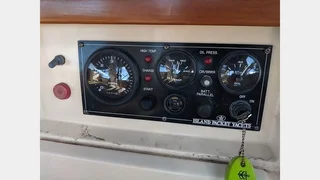
The essential answer is that a check engine light with high oil pressure is a combination of two separate monitoring systems that may or may not share one root cause. The oil pressure reading generally comes from a dedicated sensor reporting to the instrument cluster or driver information display, while the check engine light is triggered when the powertrain control module stores an emissions or engine-control diagnostic. A single wiring, grounding, or sensor supply issue can occasionally affect both, but the warning lamp does not by itself confirm dangerous lubricant pressure.
A high oil pressure indication also requires careful interpretation because resistance rises naturally with cold lubricant, higher engine speed, and thick oil. A momentary elevated reading during a cold start or hard acceleration may be normal, while a sustained high reading with a warm engine deserves attention. When the check engine light appears at the same time, the vehicle should be evaluated for the fault that set the light rather than treated as having automatic internal engine failure. Diagnostic codes provide direction, but pressure concerns still call for direct observation of the condition that produced the combination.