Can a Bad Oil Pressure Sensor Trigger the Check Engine Light
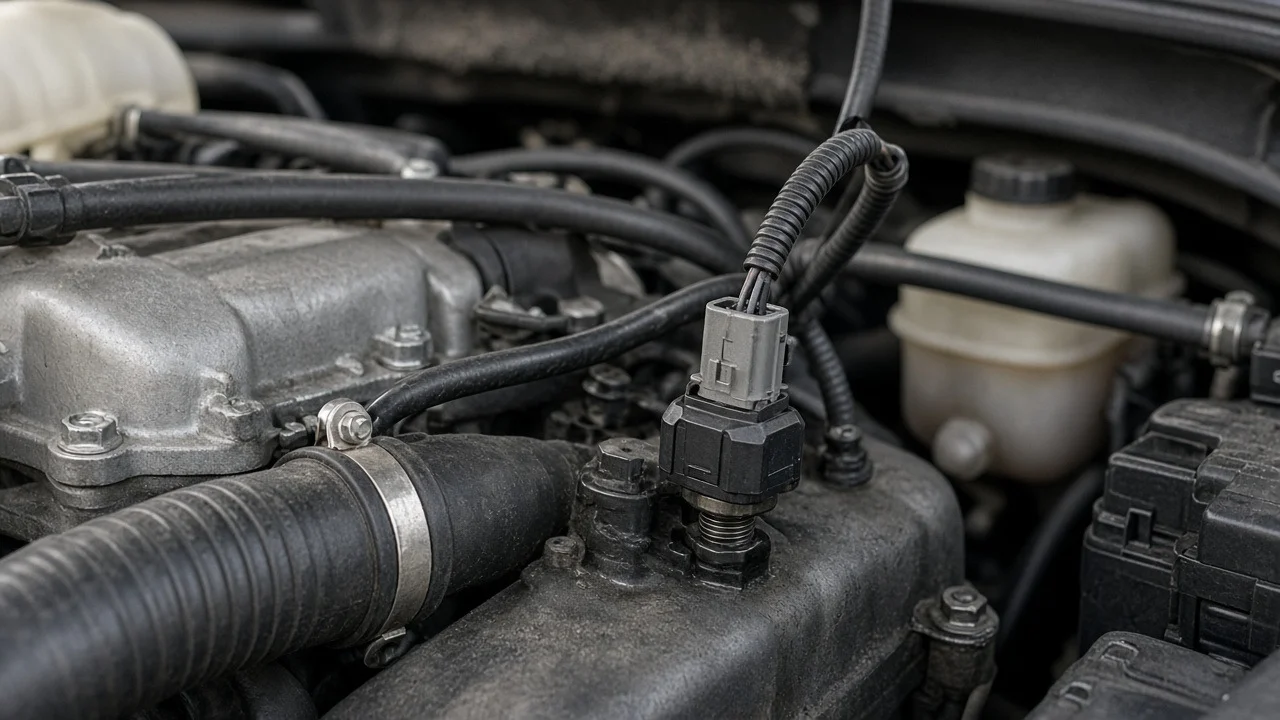
A failing oil pressure sensor can absolutely turn on the check engine light, though the exact outcome depends on the vehicle and the nature of the fault. The sensor measures engine lubrication pressure and sends a variable voltage signal to the powertrain control module. If the module sees a voltage outside the expected range, an open circuit, or an implausible reading compared with engine operating conditions, it can set a diagnostic trouble code and command the warning lamp on while a separate oil pressure indicator may also illuminate.
Essential answer
Yes, a bad oil pressure sensor can cause the check engine light to appear. The more common trigger is an electrical or circuit-range fault detected by the powertrain control module. When the sensor’s output voltage is shorted, stuck, or out of the plausible span for a running engine, the module records a sensor-performance code and illuminates the light. This scenario does not always mean actual oil pressure is low; it means the feedback signal is corrupt or missing.
However, the warning alone is not proof that the sensor has failed. Wiring damage, connector corrosion, an incorrect lubricant level, or a mechanical pressure loss can create similar circuit-range codes. A diagnostic scan should identify the specific alphanumeric code, and a technician can then compare live sensor data with a direct mechanical gauge reading before replacing parts. Manufacturer-dependent strategies and programming thresholds may also change whether the sensor fault triggers the check engine lamp or only a dedicated oil warning.