Can low oil pressure trigger the check engine light

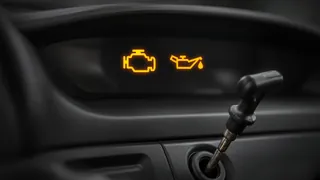
A flickering or steady check engine light raises an immediate question: is the oiling system failing? Low oil pressure can sometimes contribute to conditions that switch on that warning. However, the dashboard typically separates engine-management faults from lubrication faults, so the answer depends on how the warning circuits are arranged. Drivers should understand the distinction between oil pressure, oil level, and the sensors that monitor them. Without that context, the same amber warning lamp can be misread, delaying the correct repair and risking unnecessary damage to bearings, timing components, or variable valve systems.
Essential answer
Yes, low oil pressure can trigger the check engine light on some vehicles, but it is not the usual path. Many cars use a dedicated low-oil-pressure warning lamp or gauge for lubrication problems. The check engine light is primarily tied to emissions and engine-management faults. Still, if low pressure affects a component the powertrain control module watches, a diagnostic trouble code may set. The result is an illuminated malfunction indicator lamp that shares the same visual warning location.
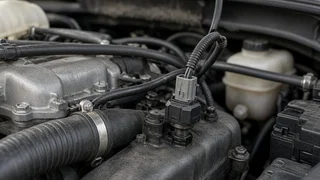
Reduced pressure can alter the behavior of hydraulic camshaft phasers, variable valve timing solenoids, or timing chain tensioners. When those parts respond abnormally, sensors may register an out-of-range condition and request the light. The oil pressure reading alone may not be directly monitored by the engine computer in every model. For this reason, the full answer depends on the vehicle architecture, available sensor inputs, and the specific fault strategy programmed by the manufacturer. A code is a clue, not proof that the oil pump or bearings have failed.