Can the EVAP system cause no-start or stalling
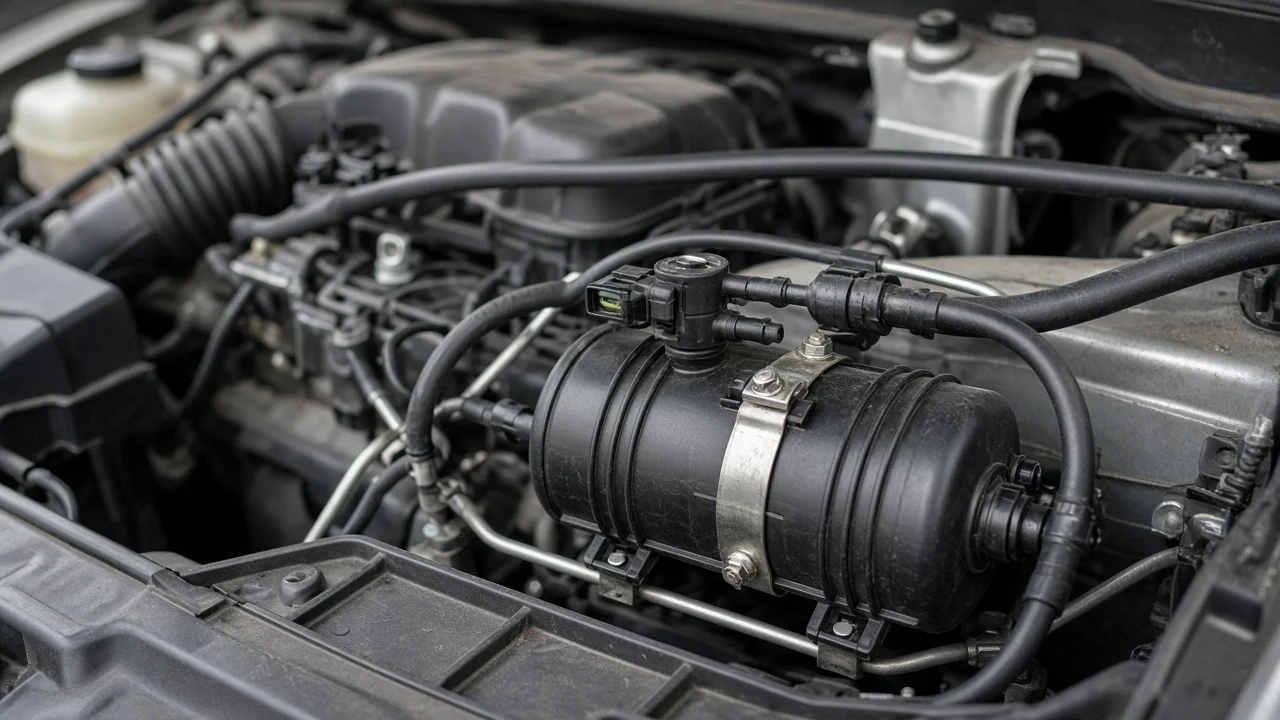
A car that cranks but will not fire, or one that stalls after starting, usually points toward ignition, fuel delivery, or airflow problems. The evaporative emission control system is rarely the first suspect, yet its valves, vapor lines, and charcoal canister can admit unwanted fuel vapor or unmetered air under the right failure conditions. Understanding when the EVAP system can and cannot prevent starting helps narrow the diagnosis without replacing parts blindly.
Essential answer
Yes, the EVAP system can cause a car not to start or to stall, but only through specific failure modes. A purge valve stuck open allows stored fuel vapor to enter the intake manifold at the wrong time, creating an excessively rich mixture that floods the engine during cranking or upsets idle after startup. A vent valve stuck closed can also build pressure in the fuel tank and force liquid fuel into the charcoal canister, though this more often affects refueling than first-start behavior.
Stalling is more common than a complete no-start because a small vapor leak or intermittent valve fault may only shift the air-fuel ratio slightly. A cold engine is especially sensitive to extra vapor because it needs a carefully controlled mixture until the oxygen sensors and fuel trim stabilize. The same EVAP fault may go unnoticed on a warm engine while causing stumbles or stalling shortly after a cold start, so the symptom pattern matters when evaluating whether the evaporative system is responsible.