Symptoms of a Bad EVAP System and What It Can Affect
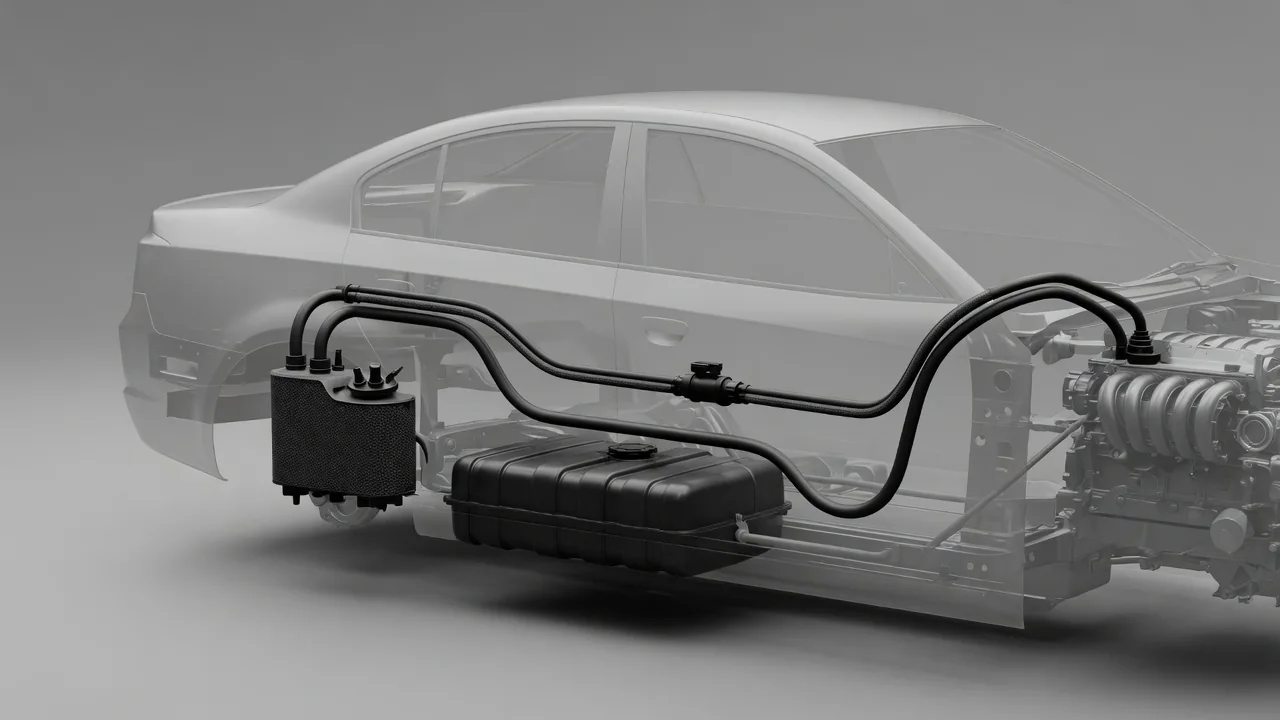
The evaporative emissions system (EVAP) catches fuel vapor from the tank and stores it in a charcoal canister instead of letting it escape. When a purge valve opens under specific conditions, the engine draws those vapors in to be burned. Because the work happens quietly, an EVAP fault can begin without a dramatic driving change. Symptoms range from a steady check engine light and fuel odor to a rough idle after refueling. Understanding what the system controls helps separate real warning signs from harmless quirks, and it puts an emissions code into the right context before any repair decision.
Warning Signs of an EVAP System Fault
A common early indication is a steady check engine light with no change in normal road behavior. The control module runs self-tests for vapor leaks and purge flow, and a failed test can be stored even when the engine feels smooth. Some faults develop gradually, so the light may be the only clue for weeks. For example, a small leak from an aging vapor line often produces no smell, no idle issue and no performance loss. Treating a light on its own as harmless can delay a simple fix, but it is equally important not to assume catastrophic damage from a warning alone.
When the system fails to contain vapor, a fuel smell may appear near the filler area or under the car after parking. Difficulty starting right after refueling can point to a purge valve that is stuck open or a canister that has taken in liquid fuel. A rough first idle after topping off is another observation, since extra vapor can briefly upset the mixture. However, none of these findings is proof of an EVAP fault; a loose fuel cap, aging hoses or a separate fuel-injection problem can mimic them. The specific affected function matters, because vapor containment and purge control produce very different symptoms.
Where EVAP Leaks and Component Failures Can Begin
Leaks often begin at simple connection points: a damaged O-ring on the fuel cap, a cracked vapor hose, or a loose quick-connector at the canister. Where a capless design is used, dirt or wear in the sealing flap can become the source. A faulty purge valve that does not seal can allow a constant vapor path, while a stuck vent valve stops the tank from breathing normally during the leak test. Electrical faults in the valve solenoids or the fuel tank pressure sensor may set a code without any physical vapor escape. A warning light therefore points to a failed test, not necessarily to a visible hole.
Pressurized smoke testing and scan-tool actuation are the proper ways to locate and confirm a leak or valve fault. An owner can check the fuel cap for tightness and correct orientation, and can note exactly when a light appeared or a refueling problem happened. Continuing to add fuel after the pump clicks off can push liquid gasoline into the canister and its valves, damaging them and creating a strong rich condition later. Before any part is replaced, stored codes need vehicle-specific interpretation, since some canister or purge codes are calibration-specific. Clearing a code and waiting for it to return erases readiness status and delays a correct diagnosis.
Hard Starting, Stalling and Rich Running From Purge Faults
A purge valve that is stuck open or opens at the wrong time behaves like an uncontrolled vacuum leak that carries fuel vapor. During cranking, the engine expects a controlled amount of fuel; extra vapor can make the mixture too rich to light off promptly. The result may be prolonged cranking, a weak idle for a few seconds, or even a stall immediately after start. A stuck purge valve can also create a lean stumble if it leaks air without much vapor present. Because the valve is connected directly to the intake, its position and timing are important to starting and low-speed stability.
The difference between a no-crank and a no-start is essential here. An EVAP fault cannot stop the starter motor from turning the engine, since it has no control over battery, starter relay or immobilizer circuits. If the engine cranks normally but refuses to fire, especially after a hot soak or right after filling the tank, purge flow is a plausible factor. If the starter does not crank at all, diagnosis must move to the starting and security systems. Document whether the problem follows refueling, hot restarts or cold idle, and let professional testing confirm purge operation before condemning the valve.
How EVAP Faults Can Affect Performance and Misfires
Mixture control is where EVAP and performance overlap. During steady cruise or idle, a purge valve that is commanded open but sticks only partially can cause a slight surge or an intermittent rough idle. Because modern fuel trims try to correct the imbalance, the disturbance is often brief. However, a valve that opens when it should not can make the engine hesitate when returning to idle after acceleration. At the same time, many vapor leaks do not alter performance at all, because the leak is too small to change intake airflow or fuel delivery. A performance complaint deserves careful timing observation rather than an automatic blame on the EVAP code.
A misfire connected to EVAP is usually secondary to the mixture problem. Extra fuel vapor can lower combustion quality enough to cause an occasional P0300 random misfire, especially with a cold engine or during a warm restart after a short stop. When the purge valve sticks open during light load, raw vapor can displace air and produce a flooding-like stumble. Ignition components, injectors, compression and mechanical timing remain the primary suspects for repeated misfires. EVAP cannot directly operate a transmission, shift solenoids, converter lockup, or hydraulic pressure control. A hesitation that feels like a shift flare is more likely engine torque management than a transmission fault.
What an EVAP Fault Can Mean for Gas Mileage
Escaping fuel vapor is wasted fuel in the strictest sense, but a small leak may be undetectable at the fuel gauge. The evaporated volume lost through a tiny crack in a hose is negligible compared with the energy the engine consumes while driving. Because of this, an EVAP warning does not guarantee better fuel economy after repair. Tracking mileage across three to five consecutive fill-ups gives a realistic baseline. Write down miles driven and gallons added; do not rely on the trip computer alone. If mileage has been stable with the light on, a small leak probably will not show a meaningful improvement when fixed.
A purge fault is different from a passive leak. A valve that opens too often or stays open sends large amounts of vapor into the intake, and the engine must adjust fuel injection to compensate. If the mixture correction is large, fuel consumption can change noticeably, but this depends on driving conditions and engine calibration. A substantial and persistent drop in miles per gallon is a reason for diagnosis on its own, not proof that the EVAP code is the cause. Faulty oxygen sensors, clogged injectors, low tire pressure, brake drag and additional driving in traffic all influence mileage. The EVAP system is only one variable among many.
When Driving With an EVAP Fault Needs to Stop
A steady check engine light with no raw fuel smell and no drivability problem may allow a short, careful drive to a service appointment. The owner’s manual is the best source for that vehicle’s guidance. A small vapor leak does not create an immediate safety risk, though it can fail an emissions inspection. Continuing to drive for weeks, however, may extend an easy fix into a larger one if a purge valve worsens or liquid fuel damages the canister. Prompt diagnosis is still the responsible choice.
Any strong or persistent raw fuel odor, visible wetness under the vehicle, or fuel smell inside the cabin is a reason to stop driving immediately. Shut the engine off, move away from the vehicle, and arrange for professional help. Do not assume these signs indicate only vapor; they can mean a real liquid fuel leak. A flashing check engine light, severe rough running, repeated stalling or a major loss of power also calls for pulling over safely. Clearing a fault code to make the light go away does not repair the system and erases the very information a technician needs, including readiness monitors that may be required for inspection.