CVSA Air Brake Inspection Procedure
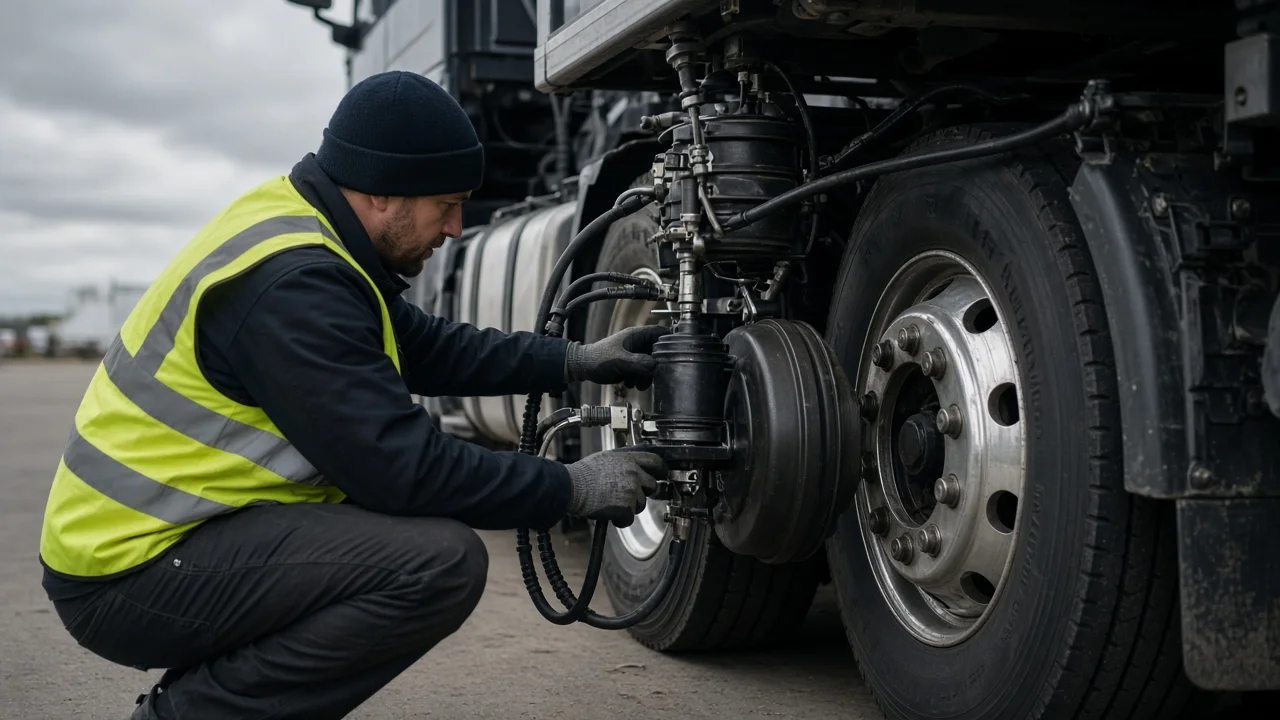
A CVSA air brake inspection procedure is a standardized roadside method for evaluating the condition and operation of the air brake system on commercial vehicles. Inspectors use consistent inspection criteria to identify visible defects, measure air pressure behavior, and decide whether a truck or bus is safe to continue operating. The process differs from a general safety inspection because it focuses specifically on compressed air storage, application, release, and warning functions. The results may lead to a test certificate, a required repair, or a retest before the vehicle returns to service.
Essential answer
The essential answer is that a CVSA air brake inspection procedure gives inspectors a repeatable sequence for checking a heavy vehicle's air brake system during a roadside inspection. It typically includes vehicle identification before testing, followed by checks of compressor output, reservoir pressure, governor cut-out and cut-in behavior, low-air warning timing, and the ability to hold or rebuild pressure with the engine running. Tire and emissions test items are separate concerns and are not central to this procedure unless the inspection is part of a broader vehicle examination.
Inspectors treat a fault code only as a diagnostic lead, not as proof that a specific valve, chamber, or compressor has failed. The air brake procedure combines visible condition checks with functional timing and pressure observations. This distinction matters because air leaks, slack adjuster faults, brake chamber problems, and supply-side restrictions can produce similar warning symptoms. The procedure therefore emphasizes repeatable measurements and visual evidence rather than assuming a component is bad simply because a warning light or pressure gauge behaves abnormally.
Procedure
The inspection begins with making sure the vehicle is secured, the wheels are chocked, and the transmission is in neutral or park with the parking brake set. The inspector records vehicle identification information and checks that the air system is charged to normal operating pressure. With the engine running, the tester watches the primary and secondary air gauges as the compressor builds pressure. This part of the process helps identify whether the supply system can reach its expected cut-out range within a reasonable period without relying on an exact specification that varies by vehicle.
Next, the technician performs a series of controlled brake applications. The engine is turned off after the reservoirs are fully charged, and the inspector observes the pressure drop during a full service brake application. The key inspection criteria include whether the low-air warning activates at a usable reserve level and whether the parking brake or protection valve responds before pressure falls too far. After the functional checks, the inspector may direct the driver to a repair facility and require a retest if leaks, excessive pressure loss, or faulty warning timing are observed.