Limited Slip Differential in Cars
A limited slip differential in a car changes how torque reaches the driving wheels when traction is uneven. Instead of sending most of the engine’s effort to the wheel with the least grip, it biases drive force to the tire that can use it, helping the car keep moving on wet roads, gravel, loose surfaces, and through corners. Understanding the type, fluid requirements, and common related symptoms helps you evaluate whether a vehicle is suited to your driving conditions.
Essential answer
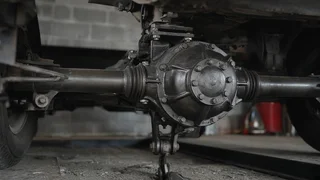
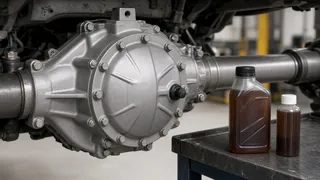
The limited slip differential is a transmission component that sits between the driven wheels and divides engine torque while still allowing the wheels to rotate at different speeds during cornering. An open differential accomplishes that speed difference, but it can send excessive drive to the wheel with the least resistance. A limited slip unit counters this with friction, gears, or clutch-style mechanisms that resist large speed differences under power, which is why it is often associated with sport, all-wheel-drive, towing, and performance driving rather than with every economy model.
Whether a limited slip differential is desirable depends on how the car is used. Drivers who accelerate on slippery boat ramps, muddy lanes, or snow-covered hills often notice that both drive wheels can work together more effectively, reducing single-wheel spin. The benefit is usually less obvious in gentle commuting on clean pavement, though it still influences predictable handling when exiting a corner. Because some systems are tuned differently than others, checking the vehicle’s service history and confirming the exact unit is needed for a particular fitment helps avoid assumptions about a feature that may be clutch-based, gear-based, or electronically controlled.