Differential Fluid Additives: What Limited-Slip Friction Modifiers Do
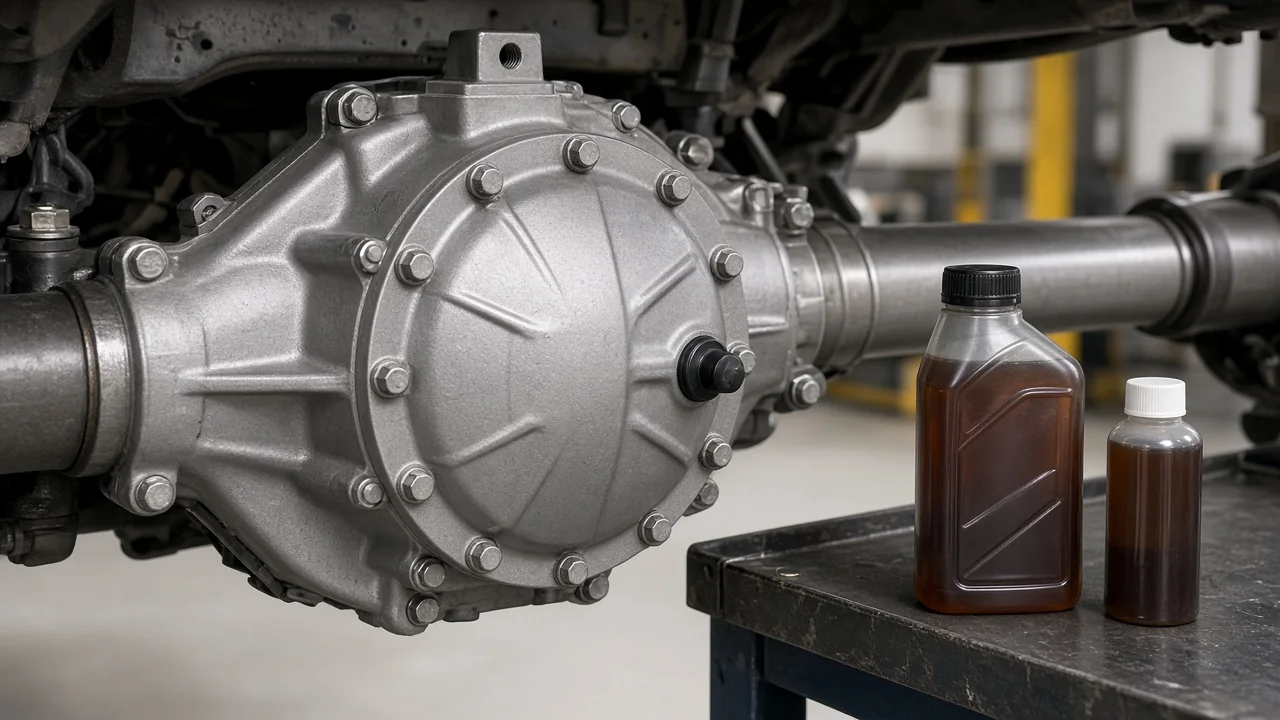
A differential fluid additive is often misunderstood as a general upgrade, but for most vehicles it is a limited-slip friction modifier that changes how clutch surfaces engage. If you are battling chatter or shudder from the axle during tight turns, the right modifier—or a pre-blended gear oil—can restore smooth operation. However, using one blindly can reduce torque transfer or conflict with factory fluid specifications, so knowing when it is needed matters.
What a Differential Fluid Additive Is and Why It Exists
Most differential fluid additives sold to drivers are friction modifiers formulated for clutch-type limited-slip differentials. They are not universal performance boosters, despite marketing language that may suggest otherwise. Gear oil already contains a base additive package with anti-wear agents and extreme-pressure additives to protect gears and bearings under load. A friction modifier operates on a different principle: it alters the frictional behavior at the clutch pack interface to prevent stick-slip oscillations that cause noise and rough engagement.
The distinction matters because an additive cannot repair a mechanically worn differential. If gears are pitted, bearings are noisy, or seals are leaking, pouring in a bottle of friction modifier will not restore clearances or stop fluid loss. Some gear oils are sold pre-blended with a limited-slip additive, while others require a separate bottle mixed in at service. The label must be checked carefully, because adding an extra modifier to a pre-blended fluid can over-condition the clutches and reduce the differential’s ability to lock up when needed.
How Friction Modifiers Change Clutch-Type Limited-Slip Behavior
In a clutch-type limited-slip differential, stacked clutch plates transmit torque to the wheel with more traction while still allowing slip during cornering. When the vehicle turns, the outside wheel travels farther and must rotate faster; the clutch packs slip to accommodate that speed difference. If the friction between plates is too aggressive or inconsistent, they can grab and release rapidly, producing a chatter or shudder felt through the driveline. A friction modifier smooths the transition from static to dynamic friction, allowing the plates to slip progressively rather than stick and break free in cycles.
The trade-off is that too much modifier reduces the breakaway torque of the clutch pack. The limited-slip unit may become less effective at transferring torque to the wheel with grip, degrading traction on slippery surfaces or during hard acceleration. Manufacturers specify an exact friction characteristic for a reason: smooth engagement without excessive slip. This is why correct dosing matters. Following the gear oil specification and any separate modifier recommendation ensures the differential behaves predictably between the extremes of harsh engagement and insufficient lockup.
Which Differential Designs Typically Call for a Friction Modifier
Conventional clutch-type limited-slip differentials are the primary design where a friction modifier is often specified. These units rely on spring preload and clutch pack friction to bias torque, and the modifier tunes that friction for quiet, smooth operation. By contrast, an open differential has no clutch packs. It uses spider gears to allow wheel speed differences freely, so a limited-slip additive serves no functional purpose and will not change how the axle behaves. Adding one to an open differential only wastes money and may slightly alter the gear oil’s additive balance.
Other designs complicate the picture. Gear-type limited slips, such as Torsen or helical units, use worm gears instead of clutches and generally do not need a friction modifier. Locking differentials, whether automatic or selectable, operate differently again. Electronically controlled limited-slip systems may use hydraulic or electromagnetic clutch actuation with their own fluid specifications. To confirm which differential a vehicle has, consult the owner’s manual, build documentation, axle tags, or a dealer lookup by VIN. These sources will identify the axle type and the correct fluid requirement without guessing.
When to Avoid Adding a Limited-Slip Additive
Adding a friction modifier to gear oil that already contains one is risky unless the manufacturer’s instructions explicitly allow it. Most pre-blended limited-slip gear oils have a carefully balanced friction package. Adding an extra bottle pushes the friction coefficient lower, which can cause the clutch packs to slip too easily. The differential may fail to transfer torque effectively under load, reducing traction when one wheel is on a low-grip surface. Always check the fluid container for wording such as “contains limited-slip additive” before adding anything.
Some vehicles and transfer cases require a specific factory fluid with unique additive chemistry. Pouring in an aftermarket chemical can conflict with that requirement, leading to seal degradation, foaming, or unpredictable clutch behavior. Mixing unknown products or guessing at amounts compounds the problem because the resulting friction level is hard to predict. Finally, an additive should never be used to mask noise, leaks, or vibration. Those symptoms often indicate mechanical wear or damage; treating them with a chemical dressing delays proper diagnosis and can lead to more expensive repairs.
Symptoms That May Point to a Fluid or Friction Issue
Chatter, groaning, or a shudder from the rear or front axle during slow, tight turns is the classic sign of a limited-slip friction problem. This happens because the clutch plates engage and release rapidly at low speed when the modifier is depleted or incorrect. The noise often disappears when driving straight or turning gently. If these symptoms appear after a fluid change with the wrong specification, the fix may be as simple as draining and refilling with the correct pre-blended fluid or adding the specified modifier.
However, similar sounds can come from other sources. Worn carrier bearings, gear wear, low fluid level, failing CV joints, or even tire scrub can produce groaning or shudder in turns. A sound alone does not prove an additive is needed. Before buying anything, note when the noise occurs: during acceleration, deceleration, or coasting in neutral. Check for fluid spots under the axle. Whining at speed, rhythmic clunking, or metallic grinding usually signals mechanical wear—bearings, ring and pinion gears, or axle shafts—that no friction modifier will fix.
Checking Specifications Before Buying Differential Fluid or Additive
The owner’s manual or official service information is the definitive source for fluid viscosity, specification, and any friction modifier requirement. Some manufacturers list an API GL-5 gear oil with a specific viscosity grade, while others call out a proprietary fluid. The differential may be identified by an axle code on a tag or build sticker; that code can be decoded through a dealer or reputable service database. Never rely on guesswork when selecting gear oil, because the wrong viscosity or additive package can accelerate wear.
Reading gear oil labels is essential. Look for statements such as “for limited-slip differentials,” “contains friction modifier,” or “suitable for clutch-type LSDs.” If the product says it is for conventional differentials only, it likely lacks the friction modifier needed for a clutch-type unit. Avoid relying on forum advice or generic compatibility charts for a specific vehicle. Those sources can be helpful for understanding symptoms, but they are not a substitute for the manufacturer’s specification. Keep receipts and a record of the exact fluid and additive used, including brand, product name, and fill date. This documentation helps with later diagnosis, warranty claims, and ensuring consistency at the next service.
When to Have a Professional Inspect the Differential
If differential chatter continues after a fluid service with the correct product and at the right level, or if new noises appear after adding a modifier, stop self-diagnosis and have the axle inspected. Persistent noise despite proper fluid may indicate worn clutch plates, damaged thrust washers, or failing pinion bearings. A professional can remove the differential cover, inspect the gear contact pattern, and measure bearing preload and clutch pack clearance—procedures that require specialized tools and training.
Certain warning signs demand prompt attention beyond a simple fluid correction. Burning smells can indicate overheating from low fluid or extreme friction. Metal flakes or sparkles seen during a fluid change point to gear or bearing degradation. Leaks near axle seals or the pinion seal allow fluid loss and contamination. Vibration under load, especially at highway speed, may signal a failing universal joint, bent axle shaft, or serious internal damage. For any of these, have the vehicle towed to a qualified shop rather than driven. Working under a lifted vehicle without proper jack stands and experience is dangerous; a certified technician can safely confirm the differential type, fluid condition, and mechanical integrity before recommending a repair path.