Inner Tube Valve Stem Repair
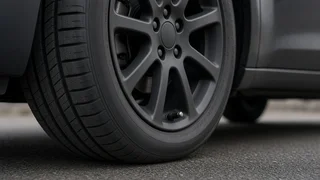
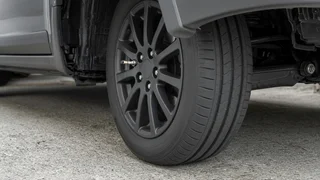
A tire tube valve stem is the narrow metal or rubber assembly that lets air enter and stay inside an inner tube, yet it often becomes overlooked until a slow leak appears. For readers investigating tire tube valve stem repair, the practical question is usually whether the stem can be saved or replaced, how that decision affects inflation pressure and reliability, and what work is realistic beside the road. The answer depends on the stem style, the tube condition, and the tools already in the vehicle.
Essential answer
Tire tube valve stem repair generally means either tightening a replaceable core, resealing a loose stem base, or installing a new tube when the stem is cracked, torn, or separating from the rubber. A threaded valve core is a serviceable part on many tubes, so a slow leak at the mouth can sometimes be corrected without replacing the whole tube. If the leak is at the base or the stem is damaged, the dependable repair is normally tube replacement rather than trying to glue a stressed flex point.
The scope changes with how the tube is used. A tube inside a road tire on a bicycle, motorcycle, trailer, or farm implement still depends on the same basic seal: the valve core must seat, the stem must bond to the tube, and the cap must keep debris out. The cap is a secondary seal, not a primary fix. Matching the replacement tube means keeping the correct tire size, load index, speed rating, and drivetrain compatibility in mind so the repaired wheel continues to carry the vehicle safely at its intended inflation pressure.
Diagnosing a problem
A hissing sound at the valve mouth with the cap removed usually points to a loose or contaminated valve core. Because a core is a small removable cartridge, it may simply need tightening with a valve core tool before the tube is discarded. However, tightening is diagnostic, not proof of repair. After adjusting the core, soapy water at the opening will show whether air still escapes; if bubbles continue, the core seal is damaged or grit is preventing a clean seat.
A leak where the stem meets the tube is more serious. Flexing may have begun to separate the cured rubber around the base, or the stem may be cracking where it passes through the rim hole. Moving the stem gently while the tube is inflated can reveal a crack by producing a sharper leak or visible bubbling at the joint. A rim with a sharp or corroded valve hole can damage a new stem, so the wheel itself should be checked before another tube is installed. Any sudden air loss or stem that can be moved significantly from the rim means the vehicle should not be driven until the tube is replaced and the stem is positioned straight through the wheel opening.