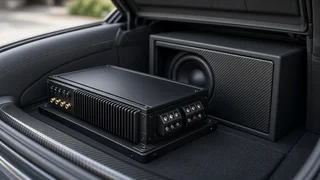
Car Audio Tube Amplifiers
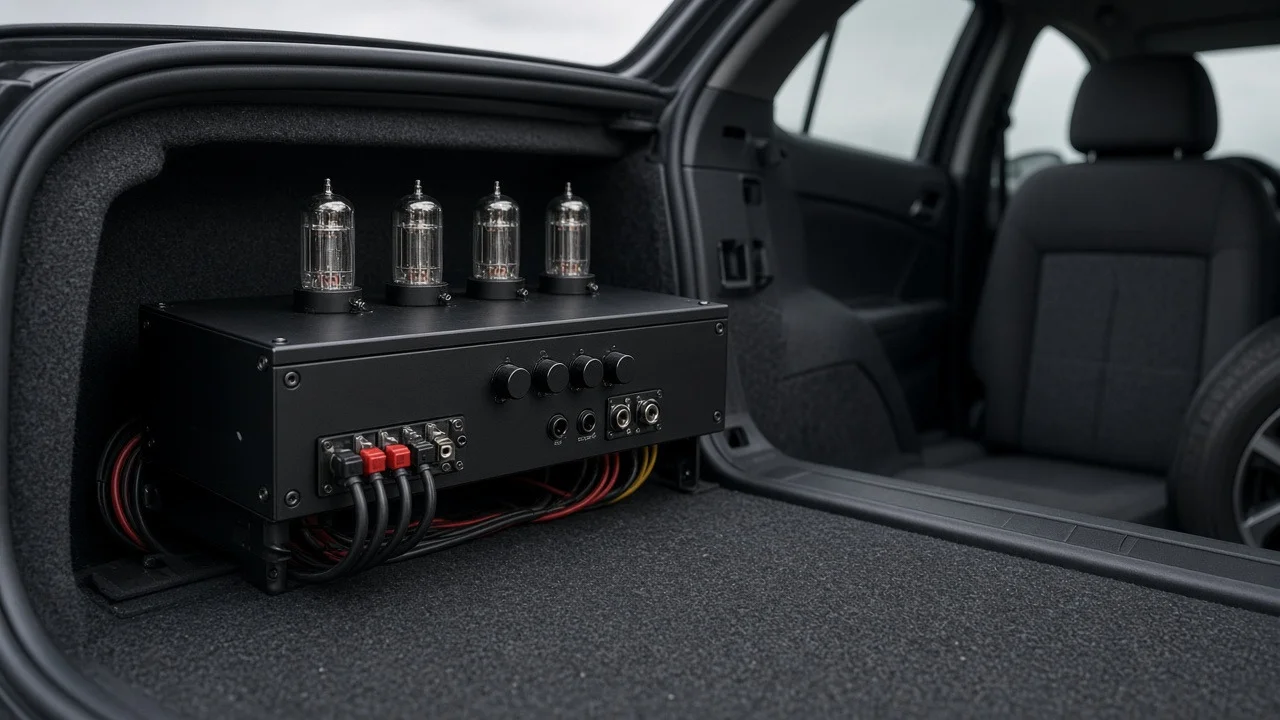
A car audio tube amplifier brings a distinctly warm and textured character to mobile listening, but it also changes how you plan power, mounting, and signal routing. Unlike common Class D boards, this design uses vacuum tubes to shape the output stage, which can soften harsh digital edges from a head unit or media player. Choosing one means weighing heat, current draw, and chassis space against the richer midrange and treble many listeners want. The right setup depends on your audio source, speaker wiring, and how much vehicle integration you are willing to manage.
The direct answer
For most shoppers, a tube amplifier is worth considering when the goal is a smoother, more rounded presentation from a digital-heavy system rather than maximum efficiency or compact packaging. The trade-off is straightforward: you gain harmonic richness and a less clinical treble, but you also need a stable 12-volt supply path, adequate airflow, and a mounting location that isolates the tubes from vibration. If your head unit already produces a clean high-voltage output and your speakers are sensitive, the character change may be subtle in a noisy cabin.
Condition matters more than wattage ratings alone. A tube stage in the preamp section acts mainly as a buffer or voltage gain element, while a tube output section affects overall clipping behavior and damping. Vehicle noise often masks the fine decay and low-level detail that tubes reveal at home, so the benefit is more audible with the engine off or at moderate volume with quiet tires and good door treatments. You should confirm whether a given chassis uses tubes for input buffering, full amplification, or a hybrid circuit.