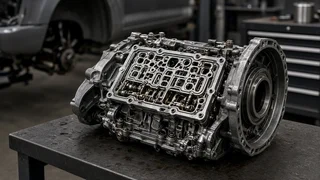
How to start a vehicle with an automatic transmission
Starting a vehicle with an automatic transmission is usually straightforward, but the exact sequence matters because the shift interlock and park/neutral safety systems are designed to block cranking in unsafe gears. The transmission type, fluid condition, shift behavior, and service history can all influence whether the starter engages cleanly on the first attempt. A no-crank condition is not automatically a failed battery or starter; the gear selector, brake switch, or a stored diagnostic code may be interrupting the process. Understanding the normal start routine helps you separate simple setup mistakes from conditions that need further attention.
Direct answer
The essential answer is that a vehicle with an automatic transmission should normally be started in Park or, on some configurations, Neutral, with the brake pedal firmly applied before turning the key or pressing the start button. The electronic shift interlock and neutral safety switch permit cranking only when the transmission range sensor confirms an allowed gear. If the selector is not fully seated in the correct position, the starter may stay silent even though the battery and ignition system are healthy. Checking the selector and brake input first often resolves what feels like an electrical failure.
This routine applies broadly, but transmission type and fitment can change small details. A conventional torque-converter automatic, a continuously variable unit, and some automated manuals may use different indicator layouts or shift-gate feel, even though the Park and Neutral start principle remains consistent. Shift behavior that is stiff, vague, or accompanied by warning lights can alter the starting picture because the range sensor depends on mechanical movement. Manufacturer-dependent diagnostic codes should be read as evidence for interpretation, not as proof that a specific part has failed. Vehicle-specific confirmation is required before replacing an interlock component.
How to proceed
Begin by setting the parking brake before you move the selector. With your foot holding the brake pedal, shift deliberately into Park, then back to Neutral and into Park again if the lever feels loose or the indicator is unclear. Confirm that the gear display lines up with the chosen range. On a key-start vehicle, turn the ignition to the run position and pause briefly so the fuel system can pressurize and warning lights can complete their self-check. On a push-button start, press the brake pedal firmly and then press the start control once. Listen for a single clean crank rather than rapid clicking, which can point toward low battery voltage or a poor connection.
After the engine starts, let it settle at idle while you check that the selector remains in Park or Neutral and that the brake warning, transmission warning, or check-engine lights behave normally. Avoid immediately rowing through reverse and drive, especially on a cold start, because abrupt engagement can mask a rough idle or a delayed shift. If the starter does not crank, confirm the brake lamps illuminate, since many shift-interlock systems rely on the brake switch signal. When a stored code appears, use it only to narrow the likely circuit or sensor area, and seek vehicle-specific service information before condemning the transmission range sensor or starter.