Automatic Transmission Valve Body for Sale
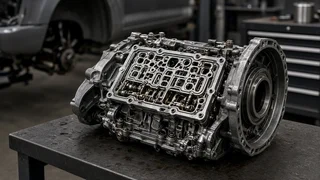
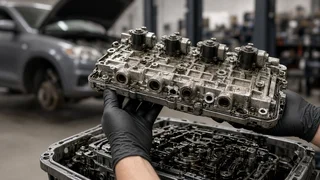
Shopping for an automatic transmission valve body for sale often starts with a shifting complaint: delayed engagement, a harsh 2-3 upshift, or a gear that flares before it catches. The valve body is the hydraulic command center that directs fluid pressure to the correct clutch packs and bands, so its condition shapes shift timing, firmness, and overall drivability. Understanding transmission type, fluid condition, diagnostic codes, and fitment helps turn a confusing parts search into a purchase decision matched to the vehicle and the repair goal.
The direct answer
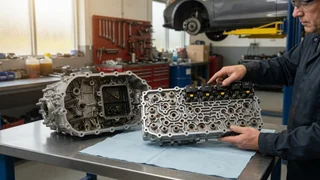
A valve body may be a sensible purchase when diagnosis points to a sticking or worn hydraulic circuit rather than a failed clutch pack or torque converter. For a confirmed valve body fault, selecting a correct replacement means matching the unit to the transmission model, model year range, and often a specific build or calibration code. The price for a valve body automatic transmission varies by whether the part is new, remanufactured, or used, and the listing must be verified before the vehicle is taken apart.
Shift behavior is the strongest evidence to weigh. A single harsh shift, a delayed reverse engagement that improves when the fluid warms up, or a stored shift-related diagnostic code can suggest valve body wear, but these observations do not prove that every internal clutch is healthy. Because fluid contamination can spread debris through the valve body, the condition of the pan, magnet, and filter should also inform the decision. The part is only a good value when it addresses the measured hydraulic issue and fits the vehicle exactly.