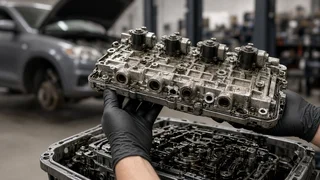
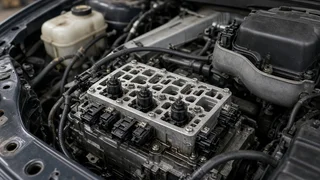
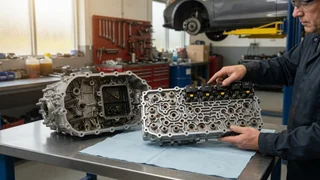
Manual Valve Body for Automatic Transmission
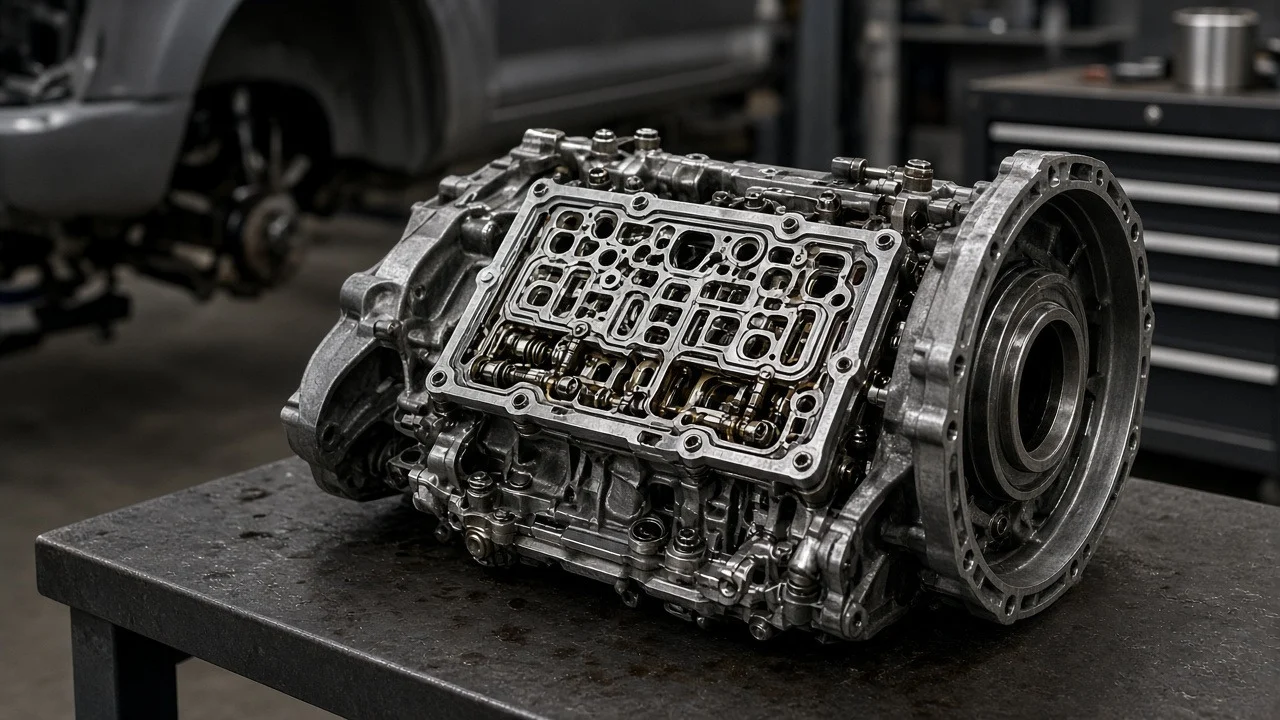
A manual valve body for an automatic transmission changes how the driver controls upshifts and downshifts. The assembly routes transmission fluid to the apply circuits for bands, servos, and clutch packs, but removes the governor and modulated pressure signals that normally create automatic gear changes. The driver moves the shifter through each gear position, and the transmission stays in the selected gear instead of shifting on its own. Understanding this difference matters before choosing a full-manual valve body, because street behavior, part-throttle operation, and transmission type must all be considered.
Essential answer
A manual valve body is a replacement control assembly that gives the driver direct command over gear selection in an automatic transmission. Instead of relying on throttle pressure, vehicle speed, and governor signals, the modified or replacement valve body keeps line pressure routed to the selected gear circuit. The shifter becomes an actual gear selector, and moving it from first to second or second to third produces a deliberate shift without waiting for automatic logic.
Fitment and shift behavior depend on the specific transmission type and the valve body design. A forward-pattern manual valve body keeps the normal park, reverse, neutral, and forward positions, while a reverse-pattern version may rearrange gate positions for faster, more controlled lever movement in performance use. The change does not convert the unit to a clutch-operated manual gearbox, and engine-driven fluid pressure is still required for engagement. Diagnostic codes and service history can confirm whether a shift concern is related to the valve body before any modification is considered.