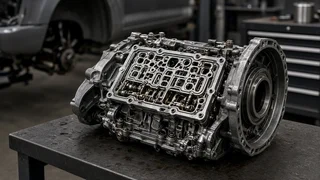
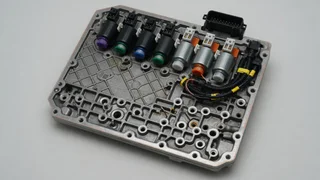
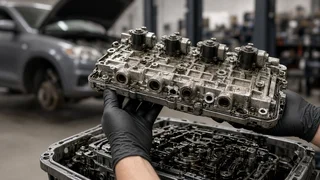
GM Genuine Automatic Transmission Control Valve Body
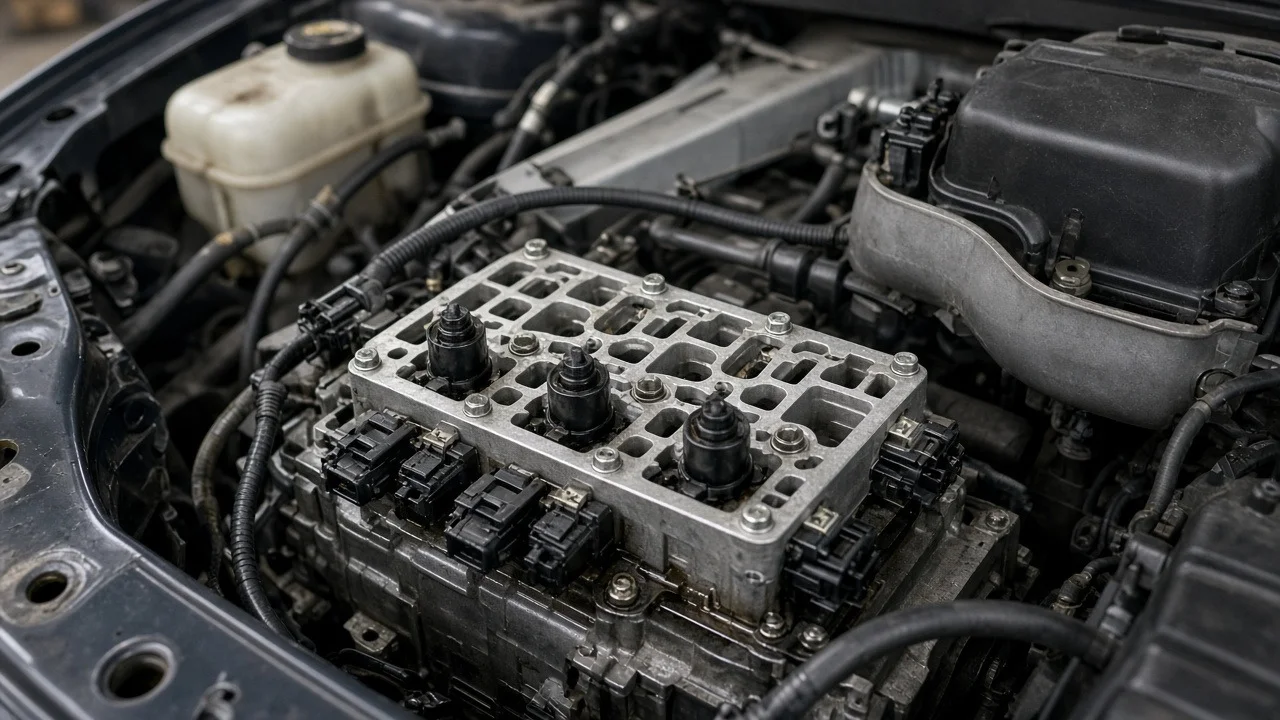
A GM Genuine automatic transmission control valve body is often purchased after shift behavior changes, fluid contamination, or diagnostic trouble codes point toward hydraulic control issues. Buyers want assurance that the part matches the transmission type and vehicle platform, because fitment errors turn an expensive component into an unusable core. The measured search demand shows shoppers comparing this factory-brand assembly against aftermarket and remanufactured options. Understanding how the valve body directs fluid to clutch packs and bands helps a buyer evaluate condition, compatibility, and the repair options that make sense for the vehicle’s service history and current symptoms.
The direct answer
The immediate answer is that a GM Genuine automatic transmission control valve body should be selected only after confirming the transmission type, model year range, and any relevant diagnostic codes or shift behavior observations. Because manufacturer-dependent codes require vehicle-specific confirmation, a fault code alone is not proof that the valve body has failed. The same code can appear with low fluid level, a worn wiring connector, or a contaminated solenoid that is serviceable separately on some designs.
For most owners, the practical path is to treat this purchase as a fitment-driven decision rather than a universal upgrade. If the current unit produces harsh engagement, delayed reverse, or flare between gears after the fluid specification and level have been verified, the valve body becomes a stronger candidate. When the vehicle is otherwise healthy and the transmission type is confirmed, a new GM Genuine assembly provides the closest match to the original hydraulic calibration.