How to Remove Road Salt from Under Your Car

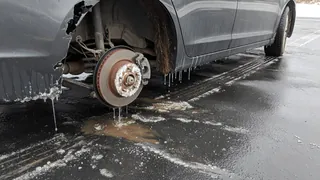
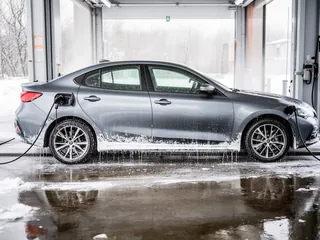
Road salt is a useful winter safety tool, but the chloride-laden slush it creates clings to the underside of a vehicle and can accelerate corrosion in hidden cavities, brake lines, and suspension mounts. Removing that residue is not just a cosmetic step; it interrupts the electrochemical process that attacks bare metal and factory coatings. The practical answer is to rinse the underbody thoroughly with fresh water, use a mild automotive detergent where grime has bonded, and dry or protect vulnerable areas when conditions allow. Warm weather and low-pressure spraying make the job safer and far more effective than a quick pass through a touchless wash.
Direct answer
The essential method is a low-pressure fresh-water rinse aimed upward into wheel arches, frame rails, and suspension pockets, followed by agitation with a soft brush and mild car-wash solution where oily film remains. High-pressure water can drive salty paste deeper into electrical connectors and seam sealant, so moderate flow and good drainage are usually better tools. A flat driveway or slight slope helps runoff carry dissolved chloride away instead of pooling inside boxed sections.
The job is most useful when temperatures stay above freezing long enough for water to drain and evaporation to begin. A warm underbody after a short drive softens hardened brine, but the metal should not be hot enough to flash-dry soap. Sunlight and moving air speed drying. If a rust-preventive product is already present, washing helps preserve it by removing the abrasive salty grit that would otherwise scrub through the coating.
How to proceed
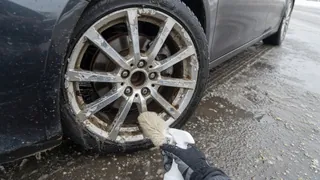
Begin by choosing a wash location with a drain or permeable surface, then rinse the entire underside with a steady low-pressure stream. Work from front to rear, spending extra time on the back sides of wheels, lower control arms, subframe seams, and the spare-tire well. After the first rinse, mix a mild automotive soap in a bucket and use a long-handled brush to clean accessible surfaces; avoid household detergents that can strip wax-based corrosion inhibitors.
Rinse again until the runoff is clear, then use compressed air or a leaf blower to push water from body drains and crevices if available. Check that drain holes behind rocker panels and door bottoms are clear so trapped water can escape. Finally, drive a short route segment with moderate braking to shed residual moisture and, during winter, plan another rinse after each major storm because access restrictions and changing road conditions can reintroduce heavy salt quickly.