How to Prevent Rust on Your Car, Including Winter and Road Salt
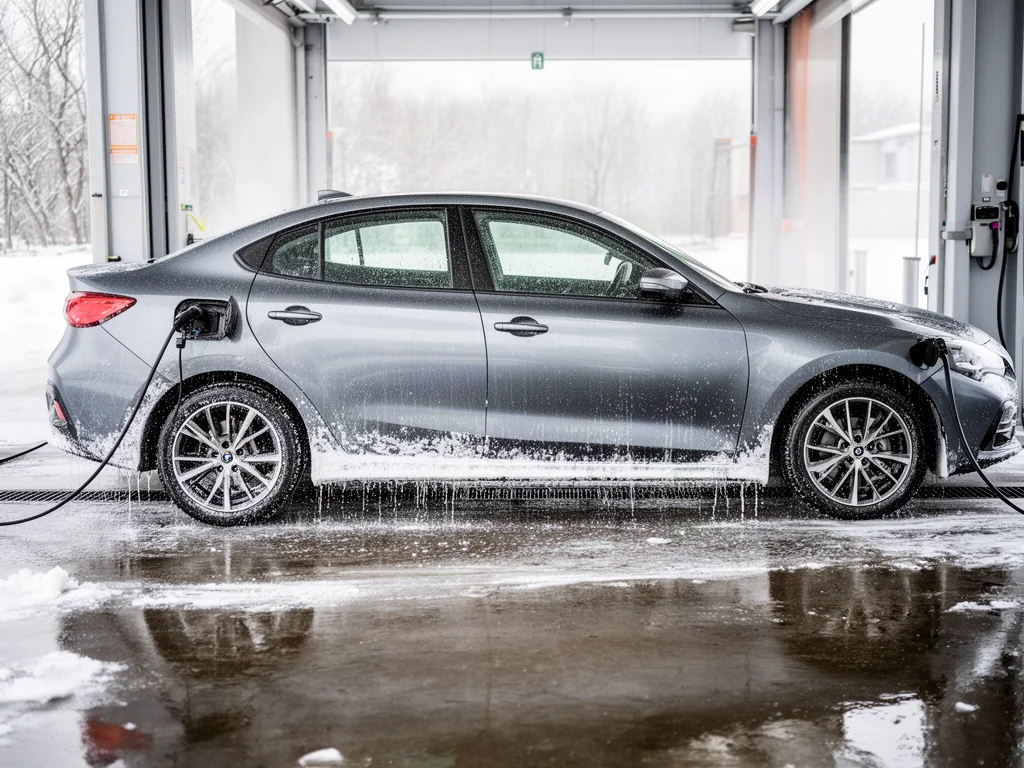
Everyday rust prevention is less about a single product and more about habits that keep moisture, oxygen, and exposed metal from working together. Washing off contaminants, maintaining the finish, sealing paint chips, storing with airflow, and treating winter road salt on the underside help avoid rust on a car. Those steps reduce risk, but they cannot guarantee a rust-free body or reveal corrosion already forming inside enclosed panels.
Build a Routine That Limits Salt and Trapped Moisture
Corrosion starts when moisture and oxygen reach bare steel. Road salt speeds that reaction by holding water against the metal and making the electrolyte more aggressive, so a car that looks merely dirty after a salted commute can begin surface corrosion at chips, seams, and stone-nicked edges. The best way to stop rust on a car at this stage is not a miracle coating. It is a routine that removes salt and grime, keeps paint and underbody finishes intact, and gives wet wheel wells and sills time to dry instead of trapping moisture against steel.
How you prevent rust on your car should follow the roads you actually drive. After slush, coastal spray, or visible white crust in wheel wells, washing and drying deserve attention sooner than after a dry week of highway miles. There is no universal interval that fits every climate or commute. Regular care still reduces the chance you will need to stop rust in the first place, yet it cannot guarantee a rust-free vehicle and cannot show what is happening inside box sections, rocker cavities, or other enclosed areas you never see.
Remove Winter Road Salt From the Body and Underside
Salt does most of its work low on the car. Lower panels, wheel wells, and accessible underbody areas collect brine that stays wet long after the rest of the body looks clean, which is why preventing rust from salt starts with underbody washing rather than a quick rinse of the hood. Use a wash facility with an underbody rinse when available, and follow vehicle and equipment guidance for water pressure and spray placement so moisture is not driven into connectors, sensors, or weatherstrips. Rinse through the wells so packed slush is not left holding brine against the steel.
Plan those washes when temperatures and drainage let the car dry instead of freezing water onto the vehicle or the pavement around it. Before winter, inspect paint damage and remaining undercoating or other protective coatings so chips and worn spots are not left open to brine. As winter conditions ease, remove lingering salt deposits rather than leaving them to keep attracting moisture. That seasonal rhythm is how to prevent rust on a car in winter without pretending one wash lasts all season. If you park outside, prioritize the underside after storms rather than waiting for a cosmetic wash.
Protect Paint and Address Chips Before Corrosion Spreads
Gentle cleaning is how you protect a car from rust at the finish, because dirt, bug residue, and dried salt hold moisture against the paint and can scratch the clearcoat if they are dragged across it. Once the surface is clean, wax or a paint sealant acts as a maintained barrier that sheds water and slows the chemistry that starts at nicks. Follow the product and vehicle guidance for application and reapplication rather than layering products that were never meant to work together.
Fresh paint chips that expose metal deserve prompt attention because they are the usual start of surface corrosion on otherwise sound panels. Use an appropriate touch-up system only within its stated preparation requirements so you are sealing steel, not trapping grit or rust scale under a film of color. Rust staining, paint bubbling, and a finish that is lifting are different problems. Those signs mean you should assess the metal underneath before covering the area, because coating over active corrosion does not stop rust in a car panel.
Keep Storage Areas, Seams, and the Cabin Dry
A garage helps only when air can move and water can leave. Poor ventilation, a wet floor, and a car parked dripping from a salted drive can keep seams damp for hours, so garaging alone does not prevent rust on a car. Stopping rust in the car also means the cabin: dry wet floor mats, and treat persistent damp carpets, trunk moisture, or water leaks as a moisture source rather than a smell problem. Trapped moisture inside the passenger area can rust seat tracks, floor pans, and spare-tire wells out of sight.
Outside the cabin, keep water moving the way the body was designed to shed it. Safely lift away accessible leaves and debris around windshield channels, sunroof drains you can see, and other water paths, and look at visible drain openings without dismantling panels or probing hidden components. A car cover can help in the right setting, but it must suit its intended use. A cover that traps moisture or holds abrasive dirt against the finish can scuff paint and keep panels wet, undermining the protection you are trying to keep on the body.
Plan Rustproofing Around the Vehicle's Condition
Cavity wax and undercoating are the usual ways to rust-proof a car beyond washing and wax. Cavity products are meant to coat inner seams and box sections, while underbody treatments add a barrier on exposed floors and wheel arches. Neither is permanent protection. Before anyone sprays, existing corrosion, moisture, and damaged coatings need assessment. Applying a film over rust, leftover salt, or trapped moisture does not stop the reaction underneath, so the coating can hide the problem instead of controlling it.
Inaccessible cavities and any treatment that requires lifting the vehicle belong with a qualified installer who can keep product off brakes, exhaust components, and sensors, leave drain openings clear, and respect manufacturer restrictions. Afterward, inspect the condition of the coating when you wash the underside rather than assuming a calendar date. Follow the applicable product guidance for touch-ups. Best car rust prevention is the combination of a sound coating and continued salt removal, not a one-time spray that is never checked.
Recognize When Existing Rust Needs Professional Assessment
Can you stop rust on a car? Localized surface corrosion can often be slowed or removed with appropriate treatment once the metal is cleaned and then protected. Washing and wax cannot restore steel that has already been lost, so those habits help you prevent rust on a car but they do not rebuild a panel. Spreading staining, paint bubbles, flaking metal, and holes through a panel are reasons to look more closely, yet appearance still cannot prove what is happening inside a seam or behind a liner.
Recurring rust in the same spot is a signal, not a cleaning failure. It often means concealed corrosion, a leaking seam, or an unresolved moisture source is still feeding the metal. How you stop rust on a car in that situation starts with finding the water path, not with another coat of wax. Suspected corrosion around structural members, brake lines, or suspension attachment points needs professional assessment. Skip grinding, chemical stripping, and improvised underbody inspection; those steps can hide damage, weaken remaining metal, or miss a safety-related part.