Why Does Wheel Finish Corrode? Coating Damage, Road Salt and Care
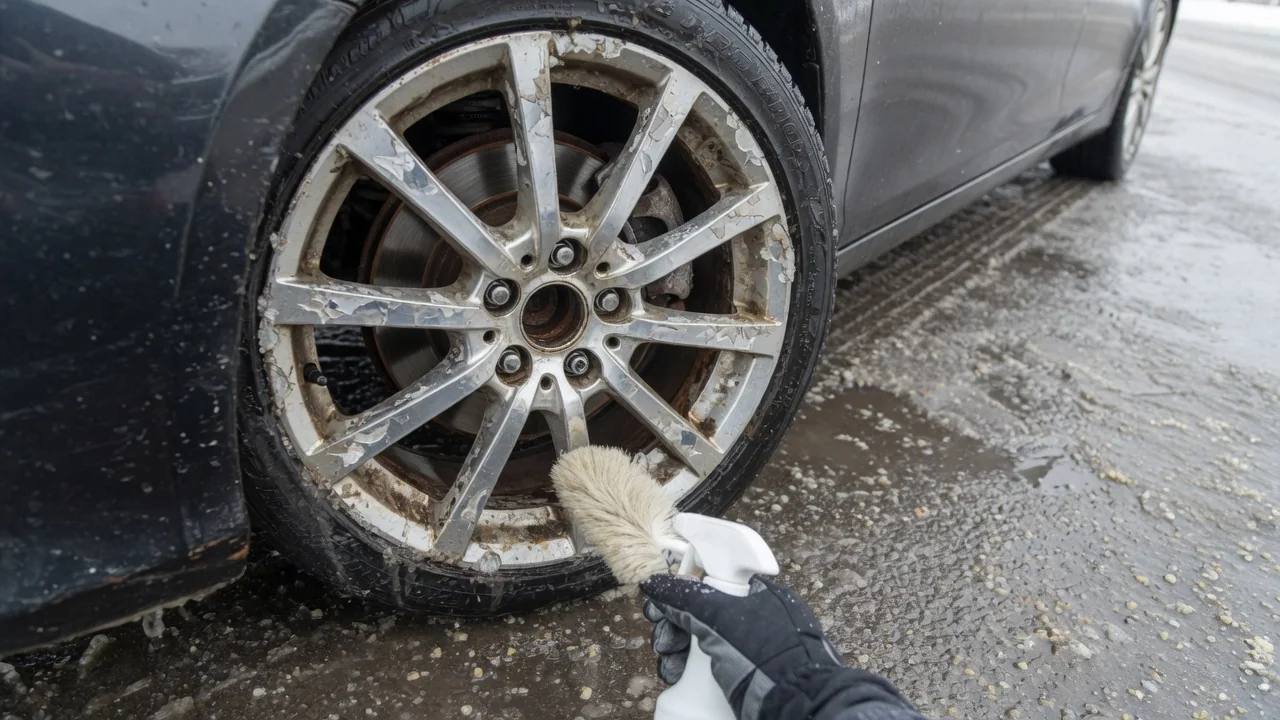
A wheel finish looks like a single layer of paint, but it is really a barrier system protecting a reactive metal underneath. Most alloy wheel finish corrosion begins when that barrier is breached. It then speeds up when moisture, road salt and brake dust reach the exposed metal. Understanding why wheel finish corrodes comes down to three things: how coatings get damaged, what road salt does once it gets in, and which care habits keep the protective layers intact for as long as possible.
Coating damage: where corrosion starts
Most aluminum alloy wheels are protected by layered finishes. These typically include a pretreatment or primer, a color layer such as paint or powder coat, and a clear topcoat. Aluminum naturally forms a thin oxide film that slows general corrosion, but that film offers limited protection against chlorides and moisture trapped against the surface. The coating's job is to keep water and contaminants away from the metal. As long as the coating is continuous, corrosion has little opportunity to start. Once there is a gap, even a small one, the metal beneath becomes the weak point.
Damage comes from ordinary use. Curb contact scrapes through the coating at the rim edge. Stones and road debris chip the face and barrel. Tire mounting equipment, wheel weights and lug wrenches can nick the finish around the bead area, the spokes and the lug holes. Over time, sunlight and repeated heating from braking can make some clear coats more brittle, so they crack or lose adhesion more easily. Edges and sharp corners are often where a coating is thinnest, which is why problems frequently appear there first.
A common visible symptom is filiform corrosion: thread-like, milky or gray trails that creep under the clear coat from a chip or edge. Moisture and salts enter at the breach, the aluminum corrodes beneath the film, and the corrosion products lift the coating as they spread. Machined or diamond-cut faces, where polished bare metal is protected only by a clear layer, tend to show this plainly because no colored layer hides it. Chrome-plated wheels fail differently. Pitting or blistering can appear when moisture penetrates pores or cracks in the plating and attacks the layers underneath.
Road salt: why winter speeds up the damage
Road salt, usually sodium chloride and sometimes calcium or magnesium chloride brines, is a major accelerator. Chloride ions break down aluminum's protective oxide film locally and make water much more conductive, which speeds the electrochemical reactions that drive corrosion. Salt also attracts and holds moisture, so a salty film on a wheel can stay damp long after the road has dried. Some de-icing brines are made to cling to surfaces, which means they can linger on wheels between washes.
Wheels are especially exposed because they sit directly in the spray path. Slush packs into the barrel and around the spokes, and the inner side of the wheel is rarely cleaned as thoroughly as the face. Brake dust adds to the problem. It contains iron particles that can embed in a damaged or softened clear coat, rust in place and leave stains, and it mixes with salt into a damp paste that sits against the finish.
Salt does not usually create the first breach in a healthy, intact coating, but it makes every existing chip, scratch and thin edge far more active. It also encourages corrosion where different metals meet, such as steel hardware against aluminum, because dissimilar metals in a salty electrolyte can form a galvanic couple. The same conditions can cause corrosion where the wheel contacts the hub, which is a separate issue from cosmetic finish damage but shares the same root cause.
Care that keeps the finish sealed
Regular washing is the most useful habit, especially during salt season. Rinsing the wheels, including the inner barrel, removes salt and brake dust before they have time to act. A pH-neutral or wheel-specific cleaner suited to the finish type is generally safer than strong acidic or highly alkaline products. Harsh cleaners can etch exposed aluminum, dull clear coats or harm chrome when misused or allowed to dry. Cleaning wheels when they are cool helps prevent spotting and reduces the chance of a product drying on the surface.
Soft brushes and dedicated wash mitts limit scratching. Iron-removing cleaners can lift embedded brake dust particles, but they should be used according to label directions and checked for compatibility with the wheel's finish. After cleaning, drying the wheels limits water spotting. A wheel sealant, wax or ceramic-type coating can add a sacrificial layer that makes salt and dust easier to rinse off. These products help protect an intact finish; they do not seal a chip that already reaches bare metal.
Inspection matters as much as cleaning. Chips, curb rash and early filiform trails are easier to manage while small. Touch-up products can cover minor breaches, while corrosion already spreading under the clear coat usually calls for stripping and refinishing the affected area, because coating over active corrosion tends to trap it. Some owners also run a separate set of wheels in winter to keep their main set out of the harshest salt exposure.
Practical implications and limits
In everyday ownership, the pattern is fairly predictable: finish failure depends largely on how many breaches exist and how long contaminants stay on them. A wheel with several chips that is driven daily through salty slush and rarely washed will usually show corrosion sooner than the same wheel kept clean. Location matters too. Coastal air carries chlorides year-round, so salt-related corrosion is not limited to regions that treat roads in winter.
There are also limits to what care can achieve. Coating quality, thickness and adhesion are set during manufacture and differ between wheels and finish types, and no wash routine fully compensates for a weak original finish or an unnoticed breach. Once corrosion has lifted the clear coat, it generally does not reverse, and cleaning products cannot rebuild the protective layer. Because materials, finishes and warranty terms vary, owners should follow the vehicle or wheel manufacturer's care guidance. Corrosion near the bead seat or mounting surfaces deserves evaluation by a qualified tire or wheel shop, since those areas affect tire sealing and wheel fitment, not just appearance.