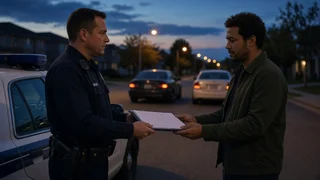
How to Get a Police Report After a Car Accident
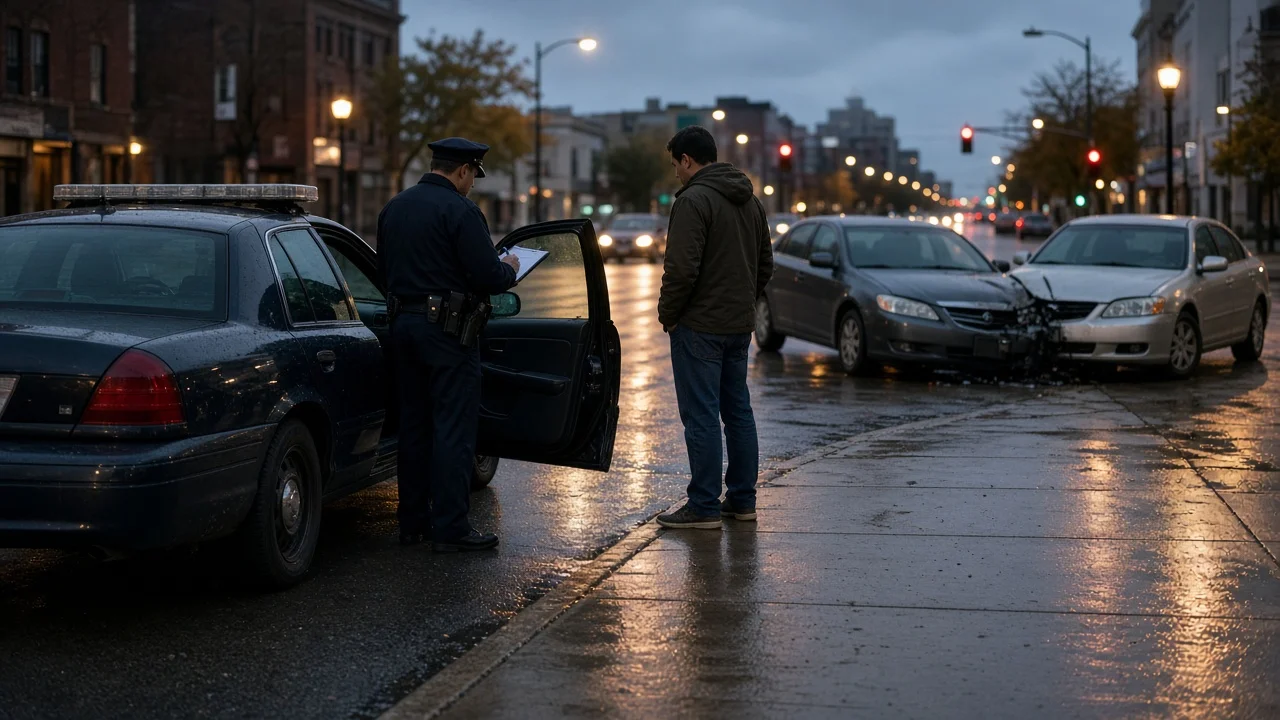
The short answer
To get a police report after a car accident, request it from the law enforcement agency that responded to the crash, not from your insurer or the DMV. A police accident report, also called a crash or collision report, is the officer's written record of the incident. It usually includes the drivers, vehicles, location, conditions, statements and sometimes a diagram. You will usually need the report or case number the officer gave you. Without it, you can usually search by the date, location and names of the people involved.
Several conditions change how this works. Access is often limited to people directly involved and their representatives. Reports are not available right away because the officer has to finish and file them. Fees, wait times and request methods differ by agency and state. If no officer came to the scene, there may be no police report at all. In that case you may need to file a report yourself.
Key terms
Police accident report: The officer's official record of a crash, filed with the responding agency. Case number (also called report or incident number): The reference the agency assigns to the crash. It is the fastest way to find the report. Responding agency: The department that handled the crash. This could be city police, a county sheriff or state highway patrol. Supplemental report: A later addition to the original report, used to add information or correct certain details. Driver's report to the state: In some states, a separate form drivers must file with the motor vehicle agency. It is not the same as the police report.
Before you start: what to have ready
The case or report number, if the officer gave you one. It is often written on a card or slip handed out at the scene. The date, approximate time and exact location of the crash, including cross streets or highway and direction of travel. The names of the drivers involved and, if you have them, license plate numbers. Your government-issued photo ID, since many agencies verify identity before releasing a report. Proof of your connection to the crash if you are not a driver, such as a letter showing you are the insurer, attorney, vehicle owner or a legal representative. A way to pay any fee the agency charges. Amounts vary, and this guide does not list specific fees.
Step-by-step: requesting your accident report
Step 1: Confirm which agency took the report
Check the card or paperwork the officer gave you. It normally shows the agency name and case number. If you didn't get anything, think about where the crash happened. Crashes inside city limits are usually handled by city police. Crashes in unincorporated areas may go to the county sheriff. Crashes on state highways and interstates are often handled by the state highway patrol. If you're unsure, call the non-emergency line of the local department and give the date and location. They can tell you which agency responded.
Step 2: Allow time for the report to be completed
The officer has to write the report, and it often needs supervisor approval before release. A request made too soon may come back with nothing found. Ask the agency or check its records page for its usual processing time, because no single timeline applies everywhere. If the crash involved serious injuries or a death, or is still under investigation, release may be delayed or parts of the report may be withheld until the investigation is finished.
Step 3: Choose how to request it
Most agencies offer one or more of these options:
Online: Many departments let you search for and buy crash reports through their own website or an official portal. You search by case number, or by date, location and a driver's name. In person: You can visit the records section of the responding agency with your ID and crash details. By mail: You can send a written request or the agency's request form, with a copy of your ID and any required payment.
Be careful with websites that offer to find accident records for you. Some are official vendors that agencies contract with. Others are unrelated services that charge extra or don't have the official document. Start from the agency's own website or ask its records staff which online service, if any, it uses.
Step 4: Submit the request and verify your identity
Give the case number or search details, show that you are eligible, and pay any fee. Eligibility rules depend on the state. Many places release crash reports only to the people involved, the vehicle owners, their insurers, their attorneys and certain other parties with a legitimate interest. If you are requesting for someone else, include written authorization or proof of representation.
Step 5: Review the report and confirm it is complete
Once you receive the report, check that it belongs to your crash. The date, location, case number and parties should all match. Then check the factual details:
Names, addresses and driver's license details; Vehicle makes, models, years and license plates; Insurance company and policy information; The direction of travel, point of impact and damage description; Witness names and contact details, if any were recorded; Whether any citations were issued
Your request is complete when you have the official report from the responding agency for the right incident and its factual details are accurate. Keep a copy with your other accident records, such as photos, medical records, repair estimates and claim numbers.
Step 6: Ask for corrections if needed
If something factual is wrong, contact the agency that wrote the report. Examples include a misspelled name, a wrong plate number or incorrect insurance details. Ask how to request a correction or add a supplemental report, and bring documents that prove the correct information. Agencies are usually more willing to fix clear factual mistakes than to change the officer's opinion about how the crash happened or who was at fault. If you disagree with the officer's account, ask whether you can submit your own written statement to attach to the record. Also tell your insurer about the disagreement.
If police did not come to the scene
Officers don't respond to every collision, especially minor ones with no injuries. In that case there may be no police report to request. Many departments let drivers file a report themselves at the station or online after the fact, sometimes called a counter report. Ask the local agency whether this is available and whether there is a deadline. Separately, some states require drivers to report certain crashes to the state motor vehicle agency, whether or not police took a report. Check your state's rules.
Getting a car accident report in California
In California, the agency depends on where the crash happened. The California Highway Patrol generally handles collisions on state highways, freeways and in unincorporated areas. City police departments handle crashes on city streets, and some county sheriff's offices handle crashes in their areas. Send your request to whichever agency responded.
California law treats traffic collision reports as confidential. They are released only to people with a proper interest, such as the drivers involved, injured parties, vehicle owners, and their insurers or attorneys. Expect to show identification and explain your connection to the crash.
California also requires drivers to file a separate report with the DMV for certain collisions, including those involving injury, death or property damage above a set amount, within a short deadline. This DMV report is the driver's responsibility. A police report does not replace it. Check the current DMV requirements to see whether your crash qualifies and how much time you have.
Limits of this guide
This guide covers the general process used across the United States. It does not give specific fees, processing times, phone numbers or request forms, because these vary by agency and change over time. Your responding agency's records section is the authoritative source for your case. Eligibility rules, correction procedures and state motor vehicle reporting duties are set by each state. For legal questions about fault, claims or deadlines tied to your crash, consult a qualified attorney in your state.