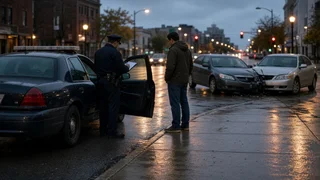
Obtaining a Motor Vehicle Crash Report: What It Is and How to Get a Copy
The short answer
A motor vehicle crash report is the official record of a collision, prepared by the law enforcement agency that responded to the scene. To get a copy, you usually request it from that agency or from the state body that collects crash reports. In the US, the process, fees, waiting time and who may obtain the report all depend on the state and the specific agency, so the first step is identifying which agency handled your crash.
One qualification changes the answer for many drivers: if no officer responded, there may be no police report at all. In that case, some states require the drivers to file their own report with the state motor vehicle agency, depending on the circumstances of the crash.
What a crash report is
A crash report, sometimes called a police accident report or collision report, is completed by the investigating officer on a standardized state form. It typically records the date, time and location, the drivers, vehicles and insurance details, any injuries, a diagram or written description of how the collision happened, road and weather conditions, and any citations issued. Insurers, attorneys and courts often rely on it as a starting point when assessing a claim, though it does not by itself decide legal fault.
How it differs from other accident records
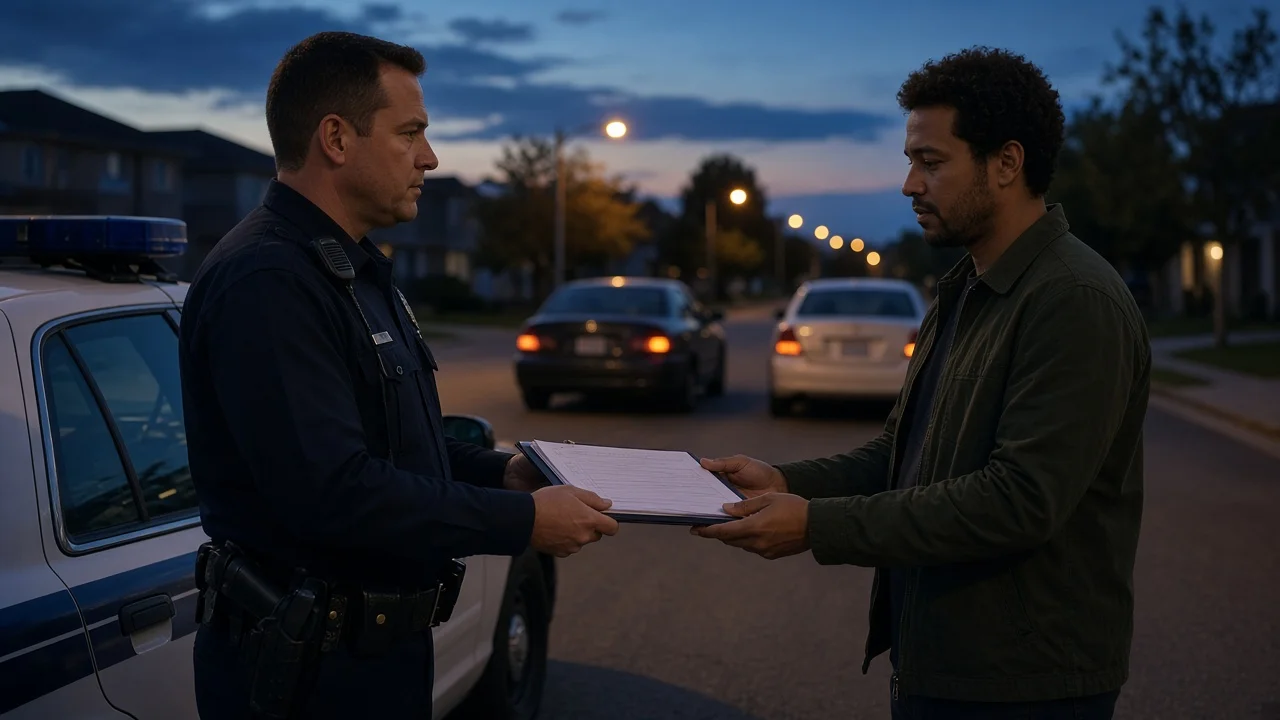
Police crash report: prepared by the responding officer and held by the law enforcement agency or a state repository. Driver's self-report: a form some states require drivers to submit to the motor vehicle agency, often when police did not investigate or when a crash meets state criteria involving injury or property damage. Information exchange: the details drivers swap at the scene, or a slip an officer hands out with a report number; this is not the full report. Insurance claim file: your insurer's own record of the claim, which may include the police report but is a separate document.
Where to request a copy
Start with the agency that responded. A crash on a city street may have been handled by a municipal police department, one in an unincorporated area by a county sheriff, and one on a state highway or interstate by the state police or highway patrol. If you are unsure, the officer's card or exchange slip from the scene usually identifies the agency and the report number.
Many states also keep a central database of crash reports, often run by the state department of transportation, state police or motor vehicle agency, and some offer online requests. Whether you can get your report from the local agency, the state repository or both varies by state.
What to have ready
The report or case number, if you were given one. The date, approximate time and location of the crash. The names of the drivers involved. Your own identification, since many agencies verify that you are an involved party or authorized representative. Payment, as many agencies charge a fee; amounts differ by jurisdiction.
Who can obtain it
Drivers, passengers, vehicle owners and injured parties, along with their insurers and attorneys, can generally obtain a copy. Members of the public may be refused, or may receive a version with personal details removed, because state and federal privacy rules limit how personal information from motor vehicle records is released. The exact rules, and any waiting period before reports are released to non-involved parties, depend on the state.
Timing and corrections
Reports are not usually available immediately, because the officer must complete the report and the agency must process it. Processing time varies widely, so ask the agency for an estimate if you need the report for an insurance deadline.
Once you have the report, check the factual details, such as names, plate numbers, insurance information and vehicle descriptions. Agencies may correct clear factual errors on request, sometimes through a supplement rather than by changing the original. The officer's opinions and conclusions are generally harder to change; if you disagree with them, you can usually submit your own written statement to your insurer.
Gaps in this guide
No verified state-specific information was available for this article, so it does not give fees, processing times, reporting thresholds, request portals or agency contacts. Confirm those details with the responding agency or your state's crash records office before relying on any deadline.