How to Obtain a Car Accident Record
The short answer
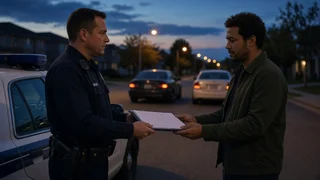
In the United States, "car accident record" usually means the police crash report, also called a traffic collision report. You get it from the law enforcement agency that responded to the crash, such as a city police department, county sheriff or state highway patrol. Many states also make reports available through a state police or transportation department records system. You will normally need identifying details about the crash, proof that you are entitled to the report, and in many places a fee.
The answer depends on which record you actually need. If no officer came to the scene, there may be no police report. In that case the relevant record may be a report you filed yourself with your state motor vehicle agency, your insurance claim file, or the accident entries on your driving record. Rules on who can get a report, what it costs and how long it takes are set by each state and agency. No state-specific fees, timelines or contacts were available for this guide, so confirm those details with the agency that holds the record.
Which accident record do you need?
Record | What it is | Where it usually comes from | Typical use; Police crash report | The responding officer's account of the collision: parties, vehicles, location, conditions and often a diagram and narrative | The responding police, sheriff or highway patrol agency, or a state crash-report system | Insurance claims, legal matters, disputes over fault; Driver-filed accident report | A report the driver submits when state law requires it, for example after certain injury or damage crashes | State motor vehicle agency (DMV or equivalent) | Meeting state reporting duties; documenting a crash with no police response; Driving record (motor vehicle record) | Your licensing history, which in many states includes reported accidents and violations | State motor vehicle agency | Checking what appears on your record; employment or insurance review; Insurance claims history | A consumer report of past auto insurance claims | Consumer reporting agencies used by insurers, such as LexisNexis for its CLUE report | Checking what insurers see when they quote or renew coverage; Vehicle history report | A summary of reported events for a specific vehicle by VIN, which may include accidents | Commercial vehicle history services and the federal NMVTIS title-data system through approved providers | Evaluating a used car before buying
Two terms recur here. The VIN (vehicle identification number) is the 17-character code that identifies an individual vehicle; it is printed on the registration, the title and usually on the lower driver-side windshield. The report number, sometimes called a case or incident number, is the reference the responding officer assigns to the crash. It is the fastest way to locate a police report.
Steps to get a police crash report
Before you start
Report or case number, if the officer gave you one at the scene; Date, approximate time and location of the crash, including the street, intersection or highway marker; Name of the responding agency (city police, county sheriff or state patrol); Names of the drivers involved, and plate numbers or VINs if available; Your government-issued photo ID; Documentation of your connection to the crash if you are not a driver, such as a letter of representation from an attorney or proof that you are an insurer or vehicle owner; A way to pay any required fee
Step-by-step
1) Identify the agency that wrote the report. Use the officer's card or the paperwork from the scene. If you are unsure, the jurisdiction where the crash happened usually decides it: city streets usually mean city police, unincorporated areas usually mean the sheriff, and highways often mean the state patrol. 2) Check how that agency releases reports. Common options are an online portal run by the agency or the state, a records unit you visit in person, or a mailed request form. Use the agency's or state government's official channels. Third-party websites may charge extra for a report you could get directly. 3) Confirm that you are eligible. Many states limit full crash reports to the people involved, vehicle owners, their attorneys, their insurers and certain government users. The federal Driver's Privacy Protection Act also restricts the release of personal information from state motor vehicle records. If you are not directly involved, you may receive a redacted copy or need to show a permitted purpose. 4) Allow time for the report to be finished. The officer must complete the report and a supervisor may need to approve it before release. If the agency says it is not yet available, ask when to check back rather than filing duplicate requests. 5) Submit the request. Provide the crash details, your ID and proof of eligibility, and pay the fee. Keep the confirmation or receipt number. 6) Receive and save the report. Download it or store the paper copy, and make a backup. Note whether you received the full report or a redacted version.
Stop and seek help if
The agency says no report exists for the crash. This often means no officer responded. Check whether your state required you to file a driver report and whether that deadline has passed. The crash involved a fatality, a criminal charge or an ongoing investigation. Release may be delayed or restricted, and an attorney can help with the request. Access is denied and you believe you qualify. Ask the agency for the legal basis of the denial and how to appeal it.
Getting the other accident records
Driving record: Request your motor vehicle record from your state's motor vehicle agency, usually online, by mail or in person with ID. States differ in whether accidents appear, how they are described and how long they stay on the record. Some states offer more than one record type, such as a shorter record and a full certified one, so request the version that includes accident history if that is what you need.
Driver-filed report: If you filed a crash report with your state motor vehicle agency yourself, request a copy from that agency. If you were required to file and did not, contact the agency about what to do now.
Insurance claims history: Consumer reporting agencies that compile auto claims histories, such as LexisNexis for its CLUE report, must give you access to your own file under the federal Fair Credit Reporting Act. That law also gives you the right to dispute inaccurate entries. For the claim file on one specific crash, ask your insurer or the adjuster handling the claim.
Vehicle history: When buying a used car, a VIN-based history report can show reported accidents. These reports only include events that someone reported to the data sources the provider uses. A crash repaired privately with no police report or insurance claim may not appear. Treat a clean history report as incomplete evidence and have the car inspected by a qualified technician before you buy.
Check the result
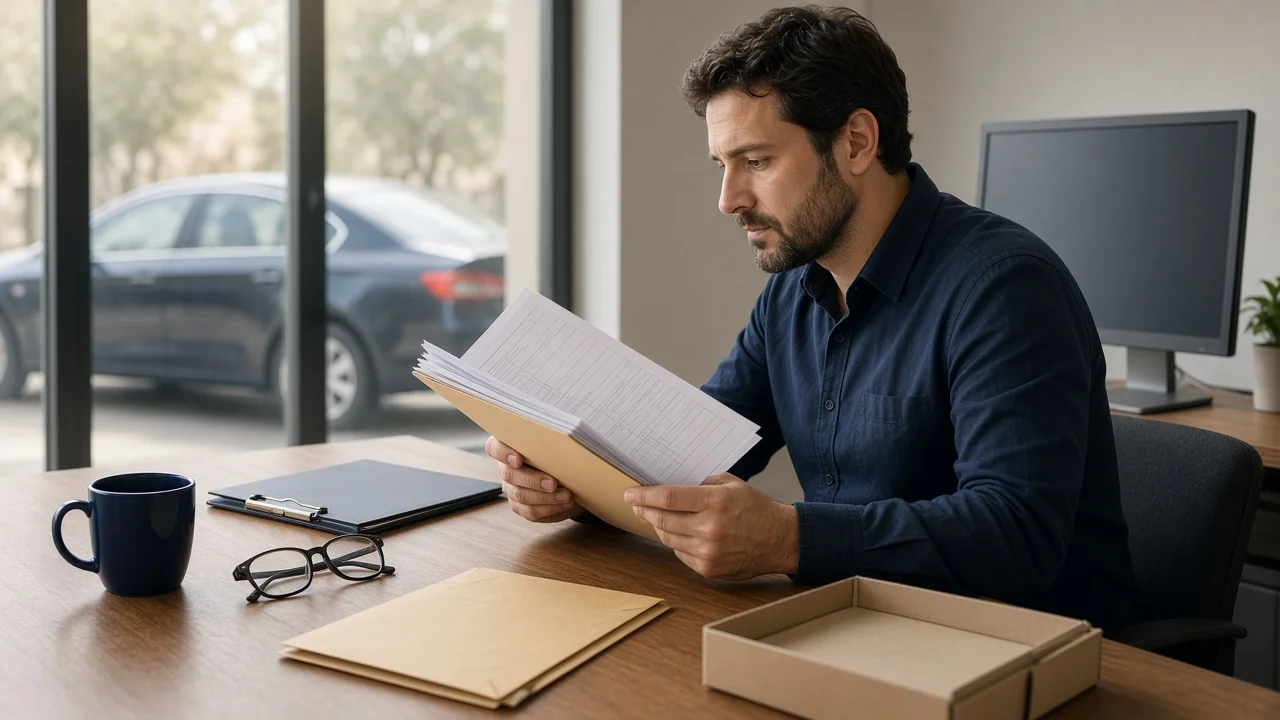
Confirm that the report number, date, time and location match your crash. Check names, addresses, license numbers, insurance details, plate numbers and VINs for every party. Compare the vehicle damage descriptions and the diagram with your own photos and notes. Check that witness information and any citations are listed correctly. If you find a factual error, contact the issuing agency and ask how to request a correction or a supplemental report. Bring supporting documents. Agencies generally correct factual details more readily than they change an officer's conclusions about fault, which you may need to dispute through your insurer or a legal process instead. Send a copy to your insurer or attorney if they need it, and keep the original with your other collision evidence, such as photos, the information you exchanged with other drivers and repair estimates.
What this guide cannot confirm
Fees, processing times, eligibility rules, reporting thresholds, filing deadlines and how long accidents stay on a driving record all vary by state and sometimes by agency. None of those figures were available for this guide. Check them with the responding agency or your state's motor vehicle agency. For legal questions about fault, deadlines or disputed reports, consult an attorney licensed in the state where the crash happened.