How to fix alternator whine in a car stereo
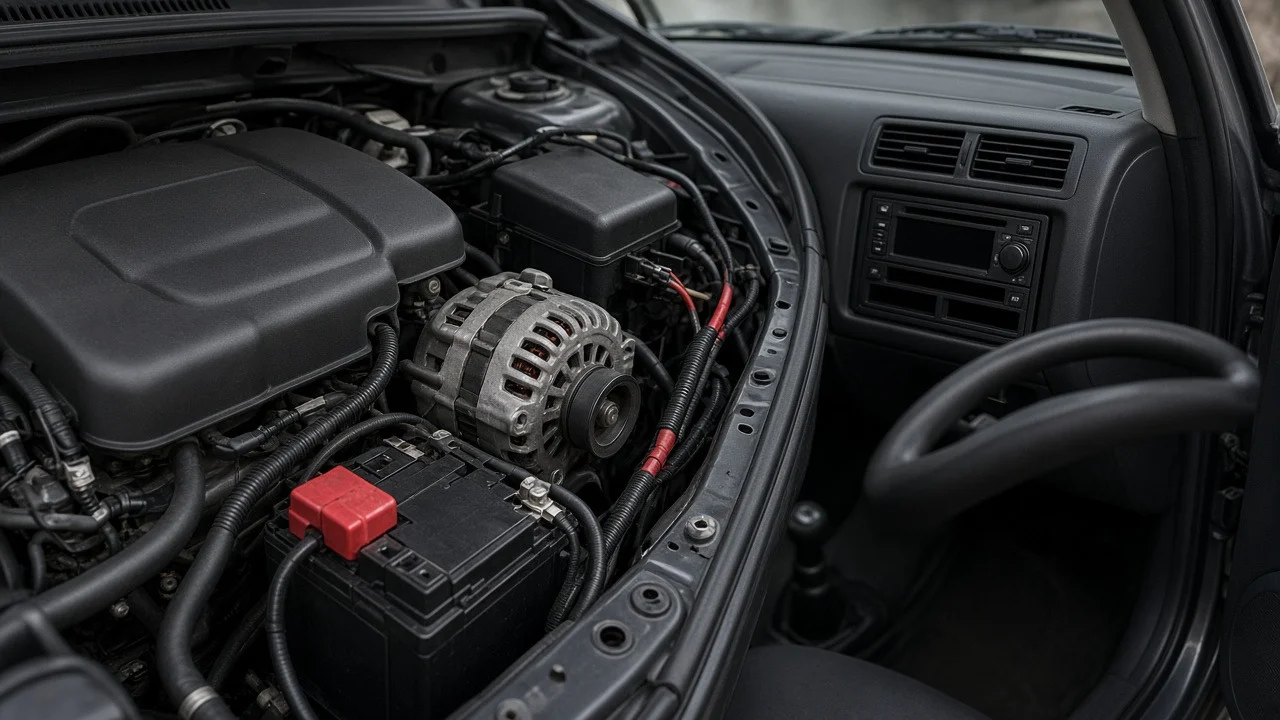
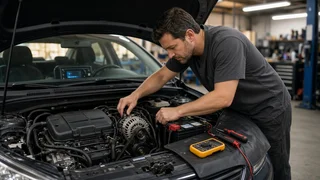
Alternator whine in a car stereo is a high-pitched electrical noise that rises and falls with engine speed, entering the audio path as unwanted interference. It typically appears when the charging system’s ripple or grounding differences contaminate the signal between the audio source and amplifier. Fixing it means tracing how power and signal share the vehicle’s electrical network, then isolating the audio chain from that contamination. The repair usually involves improving ground points, relocating cables, or filtering the supply voltage rather than replacing the alternator itself.
Direct answer
This problem is almost always a wiring or installation issue, not proof that the alternator has failed. The charging system produces a small alternating ripple on top of its direct-current output, and audio equipment can amplify that ripple if it reaches the signal path. When the whine changes with RPM, the noise is being induced or conducted from the vehicle’s electrical system into the head unit, an external amplifier, or the speaker wiring. The goal is to prevent that ripple from becoming an audio-frequency signal.
The essential answer is to identify and correct the ground or routing fault allowing charging noise into the audio chain. In many cases, the fix begins at the head unit and amplifier grounds, where voltage differences let current flow through audio cable shields. If the grounds are solid but the whine remains, the next step is rerouting signal cables away from power wiring or adding a noise filter. The fault code, if any, is not enough to condemn a component; the behavior must be tested in the vehicle.
How to proceed
Begin with the engine off and the audio system playing. Listen for the noise, then start the engine and note whether the whine rises and falls with throttle. If you have an external amplifier, disconnect its input cables while the system is powered. A whine that disappears with the inputs removed points to a ground loop or radiated pickup before the amplifier, while a noise that remains suggests the amplifier’s own power or ground connection is the issue. This split test avoids replacing good parts.
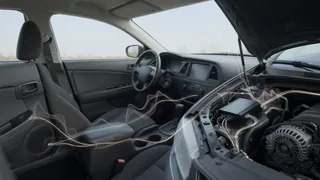
Improve the head unit ground by attaching it to the same metal point used by the amplifier, or to a clean, paint-free chassis location close to the radio. Route RCA cables down the opposite side of the vehicle from power leads, and avoid coiling excess cable near wiring harnesses or the alternator. If the noise persists, install a power-line filter on the head unit’s constant and switched supply wires as a final suppression step. Always confirm the noise is gone with the engine running and accessories on.
Understanding a problem
A common cause is a ground loop, where the audio source and amplifier have slightly different ground voltages. Because the charging current raises the voltage at one chassis point, that difference can flow through the shield of an RCA cable. The cable shield is connected at both ends in most consumer car audio equipment, so it becomes a low-level signal conductor. This creates the classic speed-dependent whine even when the audio source is turned down. Separating or equalizing grounds usually reduces it.
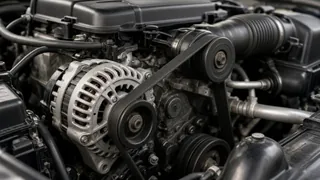
Radiated pickup is different from conducted noise. The alternator and its main output cable create a changing magnetic field, and any nearby low-level wiring can act as an antenna. If a signal cable runs parallel to a power harness or crosses near the voltage regulator, the whine can be induced directly into the audio path. Poor antenna ground or damaged antenna shielding can also bring ignition and charging noise into the head unit through the radio signal reception input, so the antenna path should be checked when the whine appears only on AM or FM.