Alternator whine in car stereo: causes
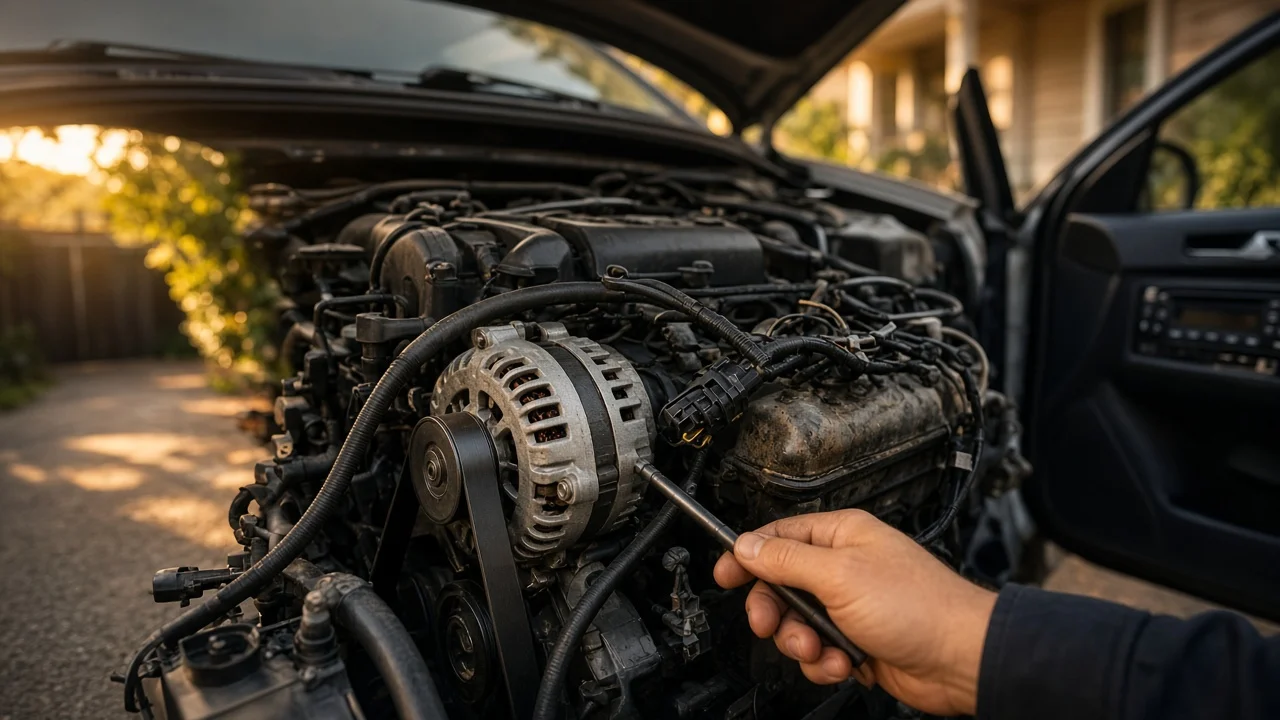
Ignition noise that rises and falls with engine speed can turn a clear soundtrack into a distracting buzz. Alternator whine in a car stereo is usually a high-pitched electrical interference pattern, not a mechanical bearing sound. It changes pitch as the alternator spins faster or slower because the charging system produces ripple voltage that enters the audio path. Understanding this distinction helps a driver separate simple ground-loop problems from failing diodes, poor cable routing, or degradation inside an audio source. A systematic check of installation choices and vehicle electrical behavior usually reveals the likely coupling point before any component is replaced.
Essential answer
The most common root cause is a ground potential difference between the head unit and an amplifier or other audio equipment. When two components connect to chassis ground at different physical points, small voltage offsets from high-current alternator charging can flow through the audio cable shields. This creates the engine-speed-dependent tone heard through the speakers. A loose or corroded ground strap, a painted mounting surface, or an undersized return path makes the condition stronger because the unintended current seeks an easier route through the audio signal wiring.
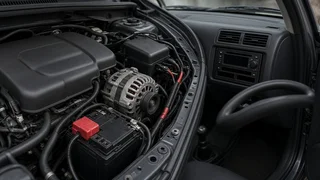
Alternator whine can also appear when the vehicle voltage regulator allows excessive AC ripple onto the DC electrical system. A failing diode, slipping belt, or worn brush contact may increase that ripple. The noise then enters through the constant 12-volt feed to the head unit or amplifier, especially when power and signal cables share a tight run. Poorly filtered aftermarket electronics, damaged antenna grounding, or aged coaxial cable for signal reception can make the system more sensitive to the same underlying ripple.
How it works
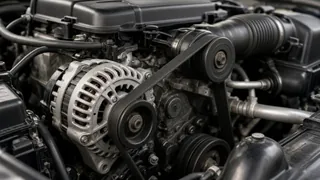
The alternator converts mechanical rotation into electrical current through a three-phase stator and diode rectifier bridge. Even a healthy unit does not produce perfectly flat direct current; it leaves a small ripple at a frequency related to engine rpm and pulley ratio. The vehicle battery acts as a large filter capacitor, smoothing much of that ripple under normal conditions. If the battery is weak, disconnected during testing, or has high internal resistance, more ripple remains on the vehicle electrical bus for audio components to detect.
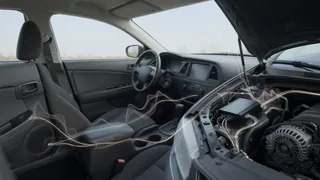
The audio path picks up the interference when the ripple appears between two connected devices. Unbalanced RCA cables are especially vulnerable because their outer shield is both the return conductor and the noise barrier. The amplifier input stage amplifies the difference between the center pin and the shield. When ripple voltage exists across that input, it becomes audible. Balanced connections or optical isolation reduce this path, but many factory head units and aftermarket amplifiers still use unbalanced signal wiring.
Strengths, limitations and suitability
Engine-speed noise rarely proves that the alternator itself is mechanically failing. In many vehicles the alternator is healthy and the problem is installation-related: a ground loop, a damaged cable, or an unshielded power wire routed along the signal path. That makes the complaint reversible without opening the charging system. The strongest point of the basic troubleshooting approach is that it can locate interaction between vehicle integration and aftermarket audio components using only the existing sound behavior.
A limitation is that no single explanation covers every system. Manufacturer-dependent chassis layouts, factory amplifier locations, and battery management strategies change how ripple appears. A vehicle with an aggressively controlled smart charging system may produce different noise patterns than an older model with a fixed-voltage regulator. The signal reception chain and antenna grounding also matter: a compromised antenna ground can introduce alternator-related static even when the main audio wiring is clean.
Procedure
Start by confirming the noise follows engine rpm rather than road speed or fan settings. Turn off the audio source but leave the amplifier or head unit powered to isolate whether the noise enters before or after the volume control. If the sound persists with the source muted, it is likely power-line or amplifier-input coupling. If it disappears, the head unit, source wiring, or signal reception path is more suspect. A factory reset of tone and balance settings helps prevent a diagnostic setting from masking the result.
Reroute signal cables temporarily away from power harnesses and metal edges. Move the head unit ground to a clean, unpainted chassis point near its mounting location, not to factory wiring that may carry accessory loads. Shielded twisted-pair interconnects are preferable for longer runs, and antenna connections should be clean and tight. Do not defeat safety grounds by using a three-to-two-prong adapter in a vehicle inverter. If a system includes high-current equipment, professional installation practices for cable sizing and grounding become critical.
Diagnosing a problem
A portable audio player connected directly to an amplifier can help separate a head-unit noise contribution from an amplifier-ground problem. Use a short interconnect and a separate battery source for the player. If the noise disappears, the head unit or its source wiring is likely picking up the ripple. If it remains with the player, examine the amplifier ground connection and the speaker wiring routing. An amplifier mounted to a seat frame or isolated panel may not have a solid chassis return.
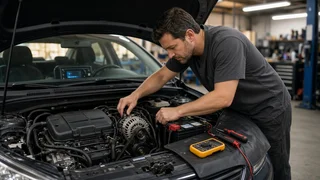
A failing alternator diode often produces a whine that becomes a rough buzz under heavy electrical load such as headlights, rear defroster, and blower motor at idle. Measuring AC voltage at the battery with a digital multimeter can show elevated ripple, but exact threshold values vary by system and meter. Treat that reading as observational evidence, not proof that the alternator must be replaced. If the whine is accompanied by dimming lights, battery warning indications, or a burning odor, stop driving and have the charging system diagnosed immediately.