How to Fix Alternator Whine in Car Stereo
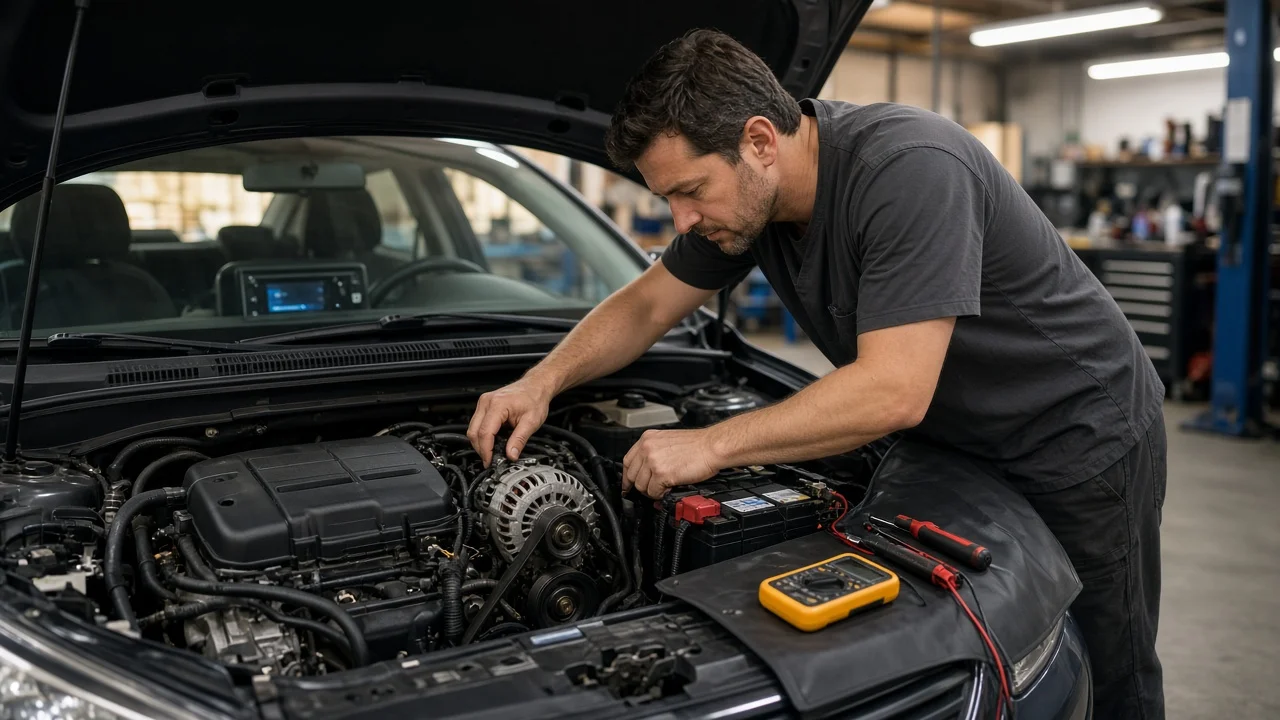
An alternator whine in a car stereo is a high-pitched electrical sound that rises and falls with engine speed, typically entering the audio system as unwanted noise on the power or signal path. The noise often becomes noticeable after installing an amplifier, aftermarket head unit, or other audio source, because small differences in ground potential let charging-system ripple reach the amplifier input. A car stereo noise filter for alternator whine can help in many cases, but the fix is most reliable when the filter is matched to the actual noise path. The following sections explain a direct answer, a safe installation procedure, and a method for narrowing down the cause.
Direct answer
The essential answer is to install an appropriate car stereo noise filter in the affected signal or power circuit, but first confirm that the filter type matches how the noise enters the system. Alternator whine commonly travels through low-level RCA signal cables between the head unit and an amplifier, or through a ground loop created when audio components are grounded at different chassis points. A ground-loop isolator placed inline on the RCA leads often reduces the whine without affecting speaker-level wiring.
If the noise is present on all sources and changes with engine RPM, a power-line filter near the head unit or amplifier may also be useful. The correct condition is important: a filter that treats signal wiring will not always solve noise coming directly through a shared power feed, and a power filter may not remove a ground-loop path. In many installations, the most effective first step is a noise filter designed for alternator interference, installed only after the basic ground and cable routing checks are complete.
How to proceed
Begin by turning the system on with the engine running and the vehicle parked, then adjust the volume to a low but audible level so the whine is clear. Switch between audio sources and move the head unit from radio to an auxiliary input. This step helps identify whether the noise comes through the antenna or signal reception path, or appears on every source. Turn off the engine briefly while the stereo stays on to confirm that the sound disappears without the alternator charging.
Once the whine is confirmed as engine-speed-related, disconnect the RCA cables at the amplifier and reconnect them one at a time with the amplifier off. If the whine drops when a particular cable is removed, install a ground-loop isolator in that signal path. Keep the isolator away from power cables and secure it so it cannot vibrate against metal. After installation, start the engine and slowly increase volume with no music playing, then verify that the noise remains absent during normal driving and that all audio channels still operate.
Understanding a problem
Alternator whine is not proof that the alternator itself has failed. The charging system creates small voltage fluctuations as the rotor and rectifier operate, and these fluctuations can become audible when two audio components have slightly different ground voltages. A head unit grounded through the factory harness and an amplifier grounded to a rear seat bolt may sit at different electrical potentials. Current then flows along the shield of an RCA cable, and the radio amplifies that current as a whine that tracks engine RPM.
To narrow the cause, check whether the noise changes when the antenna is unplugged or when the head unit is run from a different audio source. Poor signal reception or a damaged antenna ground can introduce alternator hash into the tuner stage. Routing low-level cables away from vehicle wiring and using a common grounding point near the head unit can also reduce the problem. If the noise remains after filtering and grounding improvements, the issue may involve the head unit power supply or vehicle integration wiring, and further diagnosis should proceed before replacing components.