How to Choose a Replacement Driveshaft That Fits
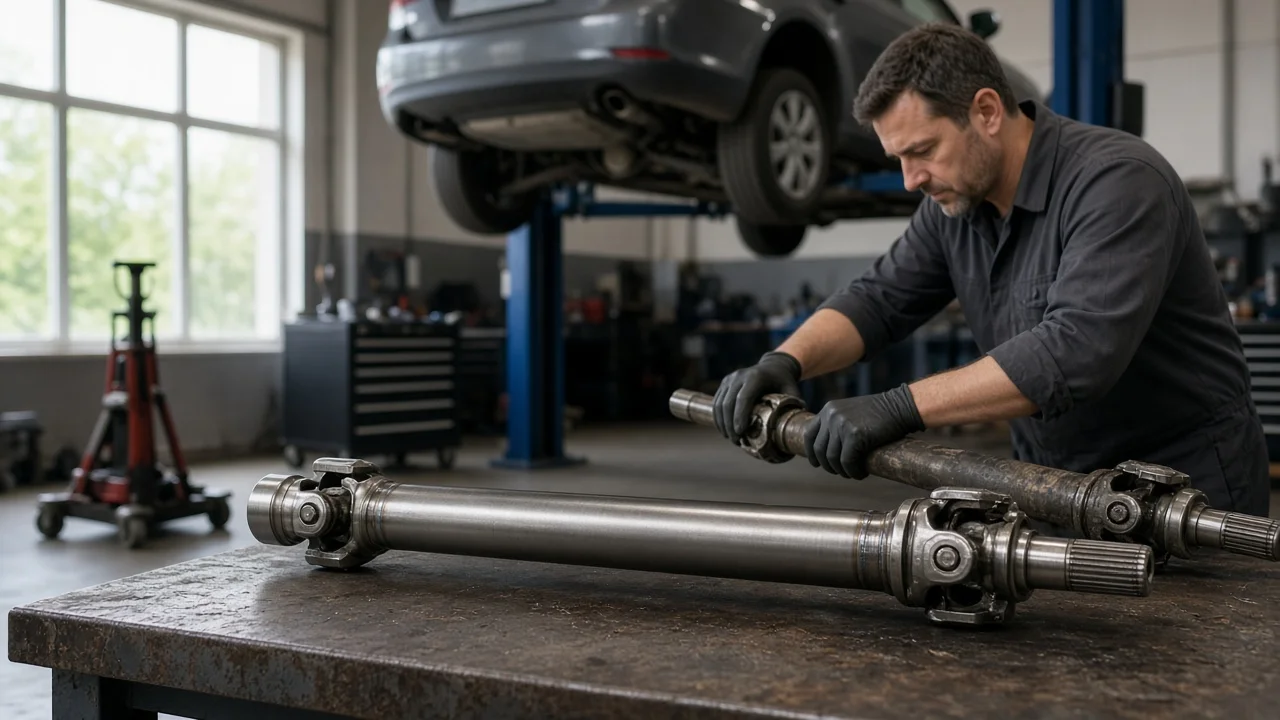
A replacement driveshaft only works if it matches your vehicle exactly. A shaft that looks similar but has the wrong length, ends or joint type can cause vibration, damage seals and bearings, or fail to install. This guide explains how to confirm what your vehicle needs, which specifications decide fitment, which features matter, and what ownership costs to expect. The goal is a short list of parts you can compare on equal terms.
Define the job the replacement driveshaft must do
Start by confirming that the driveshaft is actually the problem. Vibration that rises with road speed, a clunk when shifting between drive and reverse, a squeak from under the vehicle, visible play at a joint or a dented tube can all point to the driveline. Similar symptoms can also come from tires, wheel balance, engine or transmission mounts, or the differential. A careful inspection by a mechanic helps here, because a worn universal joint or center support bearing can often be replaced on its own at lower cost than a complete shaft. A full replacement makes the most sense when the tube is bent or damaged, the yokes are worn, or the shaft has lost its balance and cannot be repaired economically.
Next, describe how the vehicle is used. A daily commuter running stock parts needs a shaft that matches the original design. A truck that tows regularly, a vehicle driven off-road, or one with a lift kit or drivetrain swap places different demands on the shaft. Also note which shaft you are replacing: many four-wheel-drive trucks and SUVs have separate front and rear driveshafts, and some all-wheel-drive vehicles use a multi-piece rear shaft. Front-wheel-drive cars use axle shafts, sometimes called half shafts or CV axles, which are a different part category. Knowing the use and operating conditions keeps you from paying for capability you do not need or buying a part that is not suited to the work.
Check compatibility with your vehicle configuration
The same model and year can use several different driveshafts. Length and end fittings can change with the drivetrain layout, transmission, transfer case, axle, wheelbase, cab style and bed length. Use the VIN to identify the exact vehicle configuration, and compare the original equipment part number or a reliable cross-reference rather than relying on make, model and year alone. If the existing shaft has a stamped or tagged part number, record it before removal. Any previous replacement listed in the service history is also worth checking, since an earlier repair may have used a non-original part.
Compare the physical interfaces next. Measure length using the method the seller or builder specifies, because some measure between joint centers, others between flange faces, and slip yoke shafts are often measured in a defined installed position. Check each end: a slip yoke must match the spline count and diameter of the transmission or transfer case output, and a flange must match the bolt pattern and pilot of its mating flange. Universal joints come in different series and cap sizes, and some shafts use constant velocity joints instead. Also confirm whether the design is one-piece or two-piece with a center support bearing, and whether the mounting points for that bearing match.
Modified vehicles need extra care. A suspension lift, a different transmission or transfer case, or a change in wheelbase alters the required length and the operating angles of the joints. In those cases, an off-the-shelf part listed for the stock vehicle may no longer fit, and a shaft built to measurements taken from the vehicle is usually the safer route. Whatever the situation, the driveline angles and fastener requirements should follow the manufacturer specifications or the builder's documented values.
Features that affect the choice
Tube material and size shape weight, strength and the speed at which a shaft can spin before it becomes unstable. Steel is common and tolerant of abuse. Aluminum is lighter and may be used where the original design calls for it. Carbon fiber is lighter still but more expensive and typically aimed at performance use. A larger or heavier-duty tube is not automatically better: it adds cost and weight and may not clear surrounding parts. For most owners, matching the original material and dimensions is the sensible default unless the vehicle has been modified or its use has changed.
Joint design matters for both durability and upkeep. Greaseable universal joints can be serviced, while sealed joints are designed to run without added grease and are replaced when worn. Constant velocity joints handle steeper angles more smoothly and are common on some front shafts and lifted vehicles, but they need intact boots to keep grease in and dirt out. Some designs use a slip yoke at the transmission, while others include the slip section within the shaft itself; the replacement should match the system your vehicle was built with.
Separate useful evidence from marketing labels. A balanced claim means more when the seller states that the complete assembly was balanced. Terms such as heavy duty or direct fit should be backed by a part number cross-reference and stated dimensions. For remanufactured shafts, ask which components were replaced, such as joints, yokes or the center bearing, and whether the tube is original. Written warranty terms and a clear return policy are more meaningful than general quality claims.
Limitations and ownership costs
Installation affects how well even a correct part performs. Before removal, mark the orientation of the old shaft at each flange or yoke, because joint phasing and position can affect vibration. Support the shaft during removal so it does not hang from a joint, and protect the transmission or transfer case output from fluid loss when a slip yoke comes out. Torque fasteners to the manufacturer specifications and replace any bolts or straps the service information calls for. Two-piece shafts need correct center bearing alignment, and modified vehicles may need the driveline angles checked after installation. Budget for labor if you are not equipped to do this work safely.
A new driveshaft cannot fix vibration caused by tires, worn mounts, a damaged output shaft seal, pinion bearing wear or incorrect angles from a modification, so problems may remain if the diagnosis was incomplete. Ongoing costs include periodic inspection of joints and boots, and grease service for greaseable joints according to the maintenance schedule in the owner's manual or service information. Remanufactured parts may carry a core charge that is refunded only when the old shaft is returned in acceptable condition. Record the installation, part number and date in the vehicle's service history so future repairs are easier.
Build a practical shortlist
Narrow your options with the same questions for every candidate. Does the part number match your VIN-based vehicle configuration? Do the stated length and measuring method match your measurement? Do both ends match the spline count, flange pattern, joint series or CV joint type on your vehicle? Is the design one-piece or two-piece to match the original? Is the shaft new or remanufactured, and which components are new? Is assembly balancing stated? Which hardware, center bearing or joints are included? What do the warranty, return policy and any core charge involve?
Compare quotes only after each option answers those questions, because a lower price can hide missing hardware, a core charge or a part that needs modification to fit. If a seller cannot confirm the measurements or end fittings, treat the listing as unverified. For a modified vehicle or an uncommon drivetrain, a shaft built from your own measurements by a driveline shop may be the most reliable choice. Keep the final part details with your service records so the next replacement starts from verified information.