Sprint Car Driveshaft
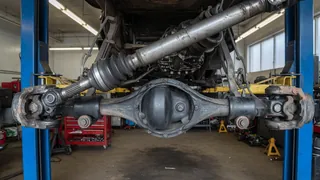
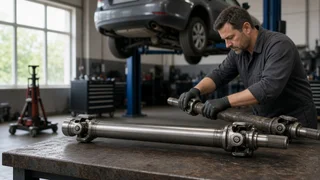
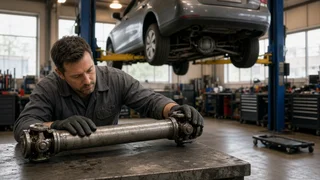
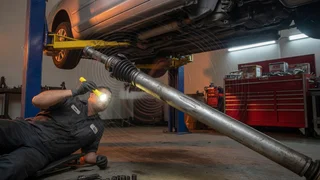
A sprint car driveshaft is the torque tube that links the engine or in-out gearbox to the rear axle, yet its job is shaped by the unusual packaging of a dirt or pavement sprint car. The driveshaft must work with a short wheelbase, high driveline angle, offset driveline path, and quick suspension movement. It uses universal joints, a slip or telescoping feature, and precise balance to keep the rear wheels powered without exciting vibration. This article explains the basic design and how it differs from common passenger-car shafts.
Essential answer
The sprint car driveshaft transfers rotational power from the engine through the driveline to the quick-change rear end. Because the cockpit and drivetrain are tightly packaged, the shaft is short, and the driveshaft angle from the transmission output to the pinion input can be severe. A common layout uses a coupler or flange connection at each end along with a universal joint that accommodates the angled path while maintaining rotation.
The assembly usually includes a sliding spline so the distance between the transmission and rear axle can change slightly during chassis flex, squat, or suspension travel. Less often, a support bearing appears on multi-piece or longer drivelines. The key point is not the horsepower rating alone, but the combination of shaft balance, driveline angle, and end connections that lets the driver put power down without shaking the car or damaging components. A sprint car driveshaft should be understood as a purpose-built driveline link, not merely a shortened passenger-car shaft.