How to Care for Paint Protection Film (PPF)
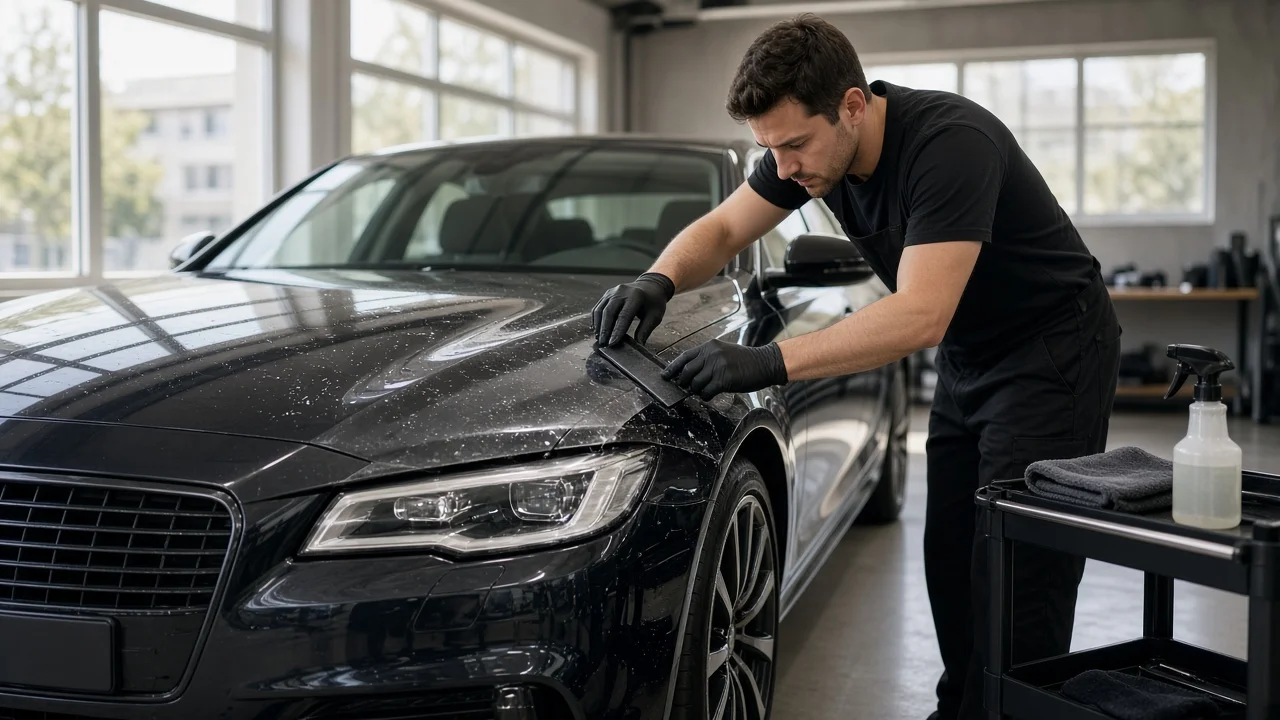
Paint protection film is durable, but its clarity and adhesion depend on careful washing and periodic inspection. SunTek film tolerates normal exposure, yet neglect allows road film, mineral deposits, and abrasion to cloud the urethane surface. Proper care preserves the self-healing top coat and keeps edges from lifting. The key is using pH-neutral cleaners, soft tools, and controlled rinsing rather than aggressive chemicals or high-pressure streams near seams. The practices below explain how to maintain the finish without damaging the wrap.
Direct answer
Caring for SunTek paint protection film means washing it regularly with a mild automotive shampoo, rinsing thoroughly, and drying with a clean microfiber towel. Avoid abrasive polishes, solvent-based cleaners, and stiff brushes because they can haze the clear urethane layer or fray the film edge. The material benefits from occasional inspection along panel gaps where accumulated wax or soap residue can form a visible white line. A gentle clay alternative or specific film cleaner is the usual way to remove that residue when it appears.
The film's top coat is designed to recover from light swirls when warmed, but repeated scrubbing overwhelms that property. For that reason, touchless washing or a careful two-bucket hand wash gives the best balance of cleaning and preservation. Any product used on the protected surface should be tested in a small, low-visibility area first. The underlying paint remains intact only as long as the adhesive layer and leading edges stay sealed against moisture.
How to proceed
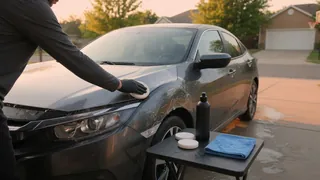
Start by rinsing the vehicle with a soft stream to float away grit before any contact. Wash from the top down using a clean wash mitt and pH-neutral soap that does not contain naphtha, kerosene, or strong degreasers, because those can soften the adhesive at exposed edges. Keep the spray nozzle at least a few inches away from film boundaries and avoid aiming directly at a seam. Rinse residue before it dries, since water spots become more visible on glossy film than on untreated paint.
After washing, dry with a plush microfiber cloth using straight, light strokes rather than circular pressure. If you find stubborn bug splatter or sap, use a dedicated film-safe remover and let it dwell briefly instead of scrubbing. Follow with a periodic sealant that is labeled safe for urethane film to add slickness and reduce staining. Finish by checking the perimeter of each wrapped panel; prompt attention to a lifted edge prevents dirt from working beneath the film and protects the substrate material from trapped moisture.