How Does Water Put Out Fire? The Science and Its Limits in Vehicle Fires
The Short Answer
Water puts out fire mainly by removing heat. It absorbs large amounts of energy as it warms and then turns to steam, which cools the burning material below the temperature it needs to keep burning. The steam also displaces some of the surrounding air, which reduces the oxygen reaching the flames. For ordinary combustibles such as wood, paper, fabric and many plastics, this makes water very effective.
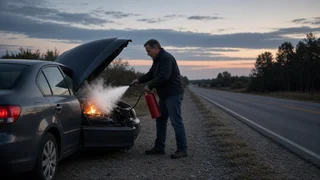
An important qualification applies to vehicle fires. A car can contain gasoline or diesel, oils, energized electrical systems and, in hybrids and electric vehicles, high-voltage battery packs. Water alone can be ineffective or unsafe on some of these, so understanding how water works also means understanding where it falls short.
What a Fire Needs to Burn
Fire safety training often describes combustion with the fire triangle: heat, fuel and oxygen. A more complete model, the fire tetrahedron, adds a fourth element: the self-sustaining chemical chain reaction. Removing any one of these stops the fire. Every extinguishing method works by attacking one or more of them.
Heat: the energy that keeps fuel at or above its ignition temperature. Fuel: the material that burns, whether solid, liquid or gas. Oxygen: usually supplied by the surrounding air. Chain reaction: the ongoing chemical process that releases heat and keeps the fire going.
How Water Extinguishes a Fire
Cooling is water's primary mechanism. Water has a high capacity to absorb heat compared with many common substances, and converting liquid water into steam absorbs considerably more. When water reaches burning material, it draws heat away faster than the fire can replace it. Once the fuel drops below its ignition temperature, it stops producing flammable vapors and the flames die down.
Smothering is a secondary effect. As water turns to steam, it expands greatly in volume and pushes air away from the fire, diluting the oxygen supply. This effect is most noticeable in enclosed spaces.
Wetting also helps. Water soaks into porous materials and coats nearby surfaces, which slows the spread of fire to unburned fuel and helps prevent reignition.
Why Water Has Limits in a Vehicle Fire
The same properties that make water useful on ordinary materials create problems with the hazards found in vehicles.
Hazard | Why water is a problem; Gasoline, diesel and oil | These fuels are lighter than water and do not mix with it, so a stream of water can float burning fuel and spread it across the ground. Energized electrical systems | Ordinary water conducts electricity, creating a shock risk for anyone applying it to live wiring. High-voltage lithium-ion batteries | A battery in thermal runaway generates its own heat internally. Cooling it can require large, sustained volumes of water applied by trained responders, and such batteries can reignite hours or longer after flames appear to be out.
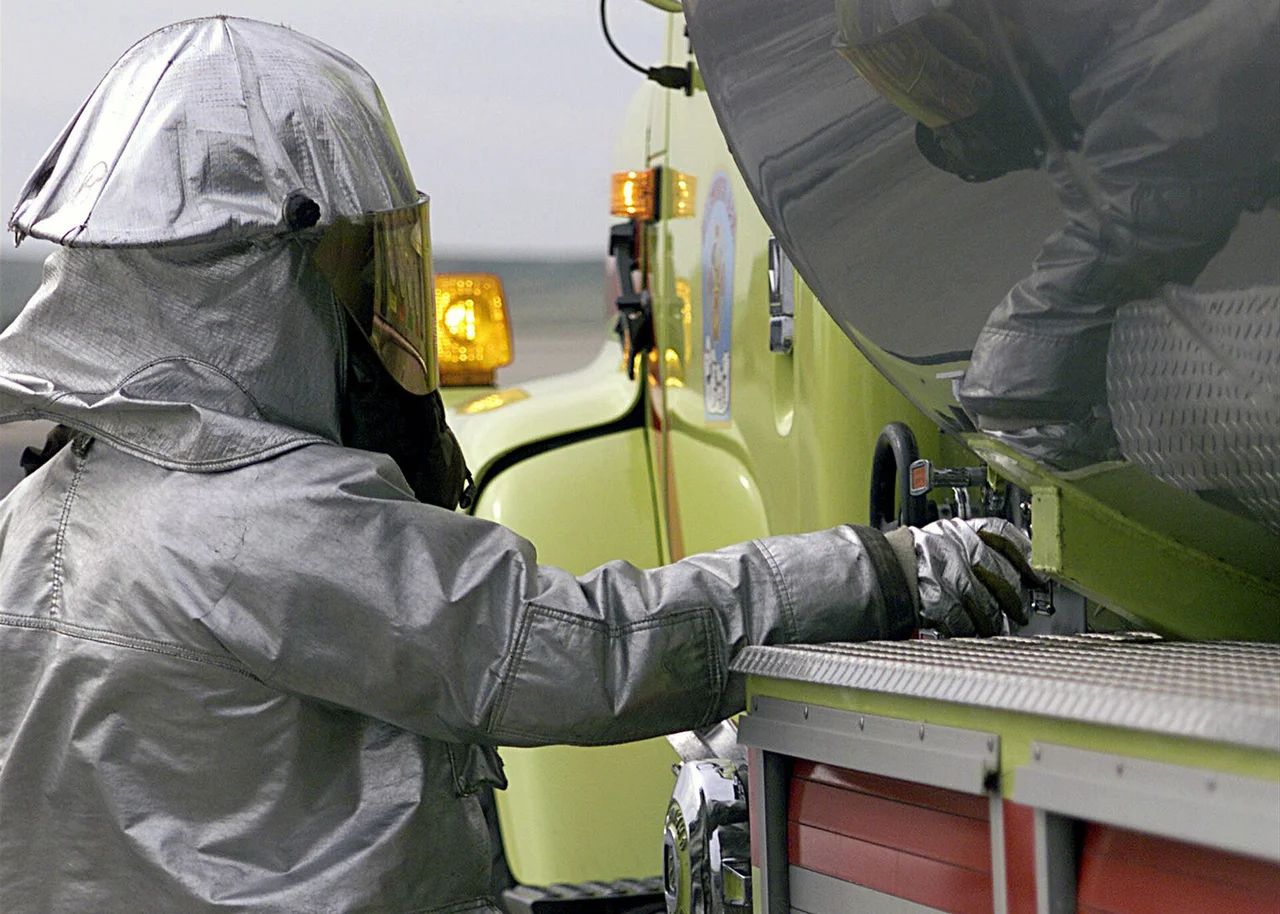
For these reasons, portable extinguishers rated for flammable liquids and electrical fires, such as multipurpose dry chemical units, are generally recommended for motorists rather than water. Fire departments may still use water on vehicle fires, but with equipment, techniques and protective gear that a driver at the roadside does not have.
What This Means if Your Vehicle Catches Fire
Knowing how water works does not make it the right tool for a driver. Widely published fire safety guidance puts personal safety first.
Pull over as soon as it is safe, turn off the engine and get everyone out. Move well away from the vehicle and stay clear of traffic. Call emergency services; in the US, dial 911. Do not open the hood or trunk, because the added air can intensify the fire. Do not return to the vehicle for belongings. If the vehicle is a hybrid or electric model, tell the dispatcher so responders can prepare for a battery fire.
Gaps in the Available Information
This article explains general, well-established principles of fire science. No vehicle-specific test results, model-specific guidance or quantitative figures were available for it. Recommended responses to battery fires in particular can vary by manufacturer, battery design and model year, so the owner's manual and the manufacturer's emergency response information are the best sources for a specific vehicle.