Honda Ridgeline wheel offset
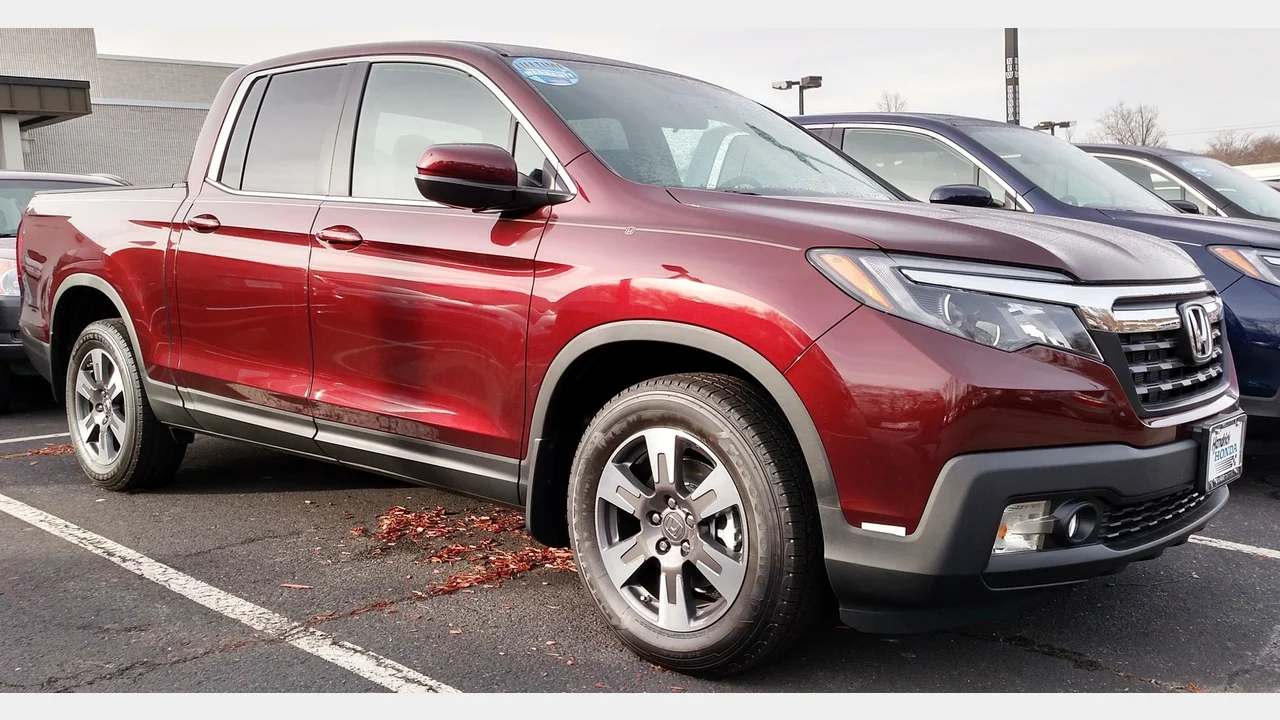
The Honda Ridgeline wheel offset question matters most when owners are choosing replacement wheels, moving between model years, or evaluating how a new setup will sit under the fenders. The 2017 and 2018 Ridgeline share the same fundamental wheel-offset concept, although specific wheels can vary by trim and optional packages. Offset describes the horizontal relationship between a wheel’s mounting surface and its centerline. Understanding that measurement helps owners predict suspension clearance, steering feel, bearing load, and whether tires will protrude or tuck inward.
Essential answer
Wheel offset is the distance, usually expressed in millimeters, between the wheel’s mounting face and the exact center of its rim width. A zero offset means the mounting surface sits at the centerline. Positive offset moves the mounting surface toward the outside face, pulling the wheel inboard, while negative offset pushes the tire outward. The Ridgeline’s factory wheels generally use a positive-offset design, which keeps the tire package compact within the wheel well and preserves predictable steering geometry.
The practical answer is that the 2017 and 2018 Ridgeline platforms accept wheel widths and offsets that maintain clearance around the brake caliper, suspension knuckle, and inner fender liner. When an owner compares wheels, offset should be considered together with rim width and rim diameter, because a wider wheel at the same offset changes where the tire edges sit. Changing offset moderately can fine-tune stance or accommodate slight tire-width increases, but large negative-offset changes alter scrub radius and can create rubbing at the fender opening under compression.