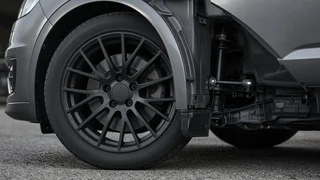
Honda Car Wheel Offset by Model

Honda vehicles use several wheel specifications that must work together, and offset is one of the most misunderstood. A wheel with the wrong offset can change steering feel, rub suspension parts, or push the tire past the fender even when the rim diameter and bolt pattern appear correct. The available DataForSEO cluster includes searches for the Honda Element, Accord, and S2000, each of which has different factory clearances and aftermarket possibilities. Understanding offset by model helps owners compare wheels without assuming that one popular fitment transfers safely across the entire Honda lineup.
Essential answer
Wheel offset describes where the mounting face of the wheel sits relative to the centerline of the rim width. A higher positive offset places the mounting face toward the outside of the wheel, pulling the tire inward, while a lower offset pushes the wheel outward. Honda models use positive offset in most factory applications, but the exact value changes with suspension geometry, brake package, and body clearance. Because offset is measured in millimeters, small changes can make a noticeable difference in track width and steering response.
A Honda Element, Accord, and S2000 all use Honda bolt patterns, yet their offset needs are not interchangeable as a simple one-size answer. The Element was designed around a boxier body and taller suspension travel, so its factory wheels often tolerate a higher positive offset without interfering with the strut. The Accord sedan and coupe use tighter wheel openings, while the S2000’s rear-drive layout and wider performance stance respond more visibly to offset changes. Any replacement wheel must also preserve tire compatibility and clearance at full steering lock and suspension compression.