Honda Pilot Engine Oil Capacity: How to Find the Right Figure for Your Model Year
The short answer
The Honda Pilot does not have one universal oil capacity. The correct amount depends on the model year, the generation, the engine fitted and whether the oil filter is replaced at the same time. The authoritative figure for a specific vehicle is in the specifications section of its owner's manual, or available from a Honda dealer using the vehicle identification number (VIN).
Evidence gap: no verified capacity figures were supplied for this article, so specific quart or liter values are not listed here. Rather than repeat numbers that may belong to a different year or engine, this guide explains which details change the answer and where to confirm it.
What changes the oil capacity figure
Several factors can make a published capacity wrong for a particular Pilot. Check each before buying oil or relying on a figure from a forum, parts-store listing or general reference.
Model year and generation: the Pilot has been redesigned several times, and engine revisions between generations can change sump and passage volumes. Engine and powertrain: confirm the exact engine listed for your vehicle rather than assuming it matches another year. Filter change: Honda manuals typically list one capacity for an oil change with filter replacement and a different, smaller one without. The with-filter figure is the one most owners need. Refill versus total capacity: the refill amount at an oil change is lower than the engine's total dry capacity, because some oil stays in the engine after draining. Use the refill figure for routine service. Market: specifications can differ between regions, so use documentation that matches the market where the vehicle was sold.
How to find the correct capacity for your Pilot
Start by confirming exactly which vehicle you have, then match it to the right documentation.
Confirm the model year: it appears on the vehicle registration and title, and is encoded in the VIN. Locate the VIN: it is commonly visible through the lower corner of the windshield on the driver's side and on a label in the driver's door jamb. Exact placement can vary by year and market. Check the owner's manual: look in the specifications or technical information section for engine oil capacity, which normally lists the with-filter and without-filter amounts along with the recommended oil grade. Ask a dealer: a Honda service department can look up the specification by VIN, which removes uncertainty about trim, engine or market. Cross-check third-party sources: parts-store lookups and service databases can help, but treat them as secondary to Honda's own documentation for your configuration.
Recognizing the oil fill and dipstick
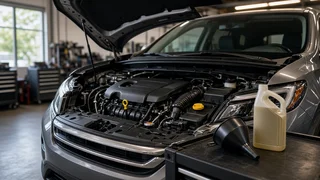
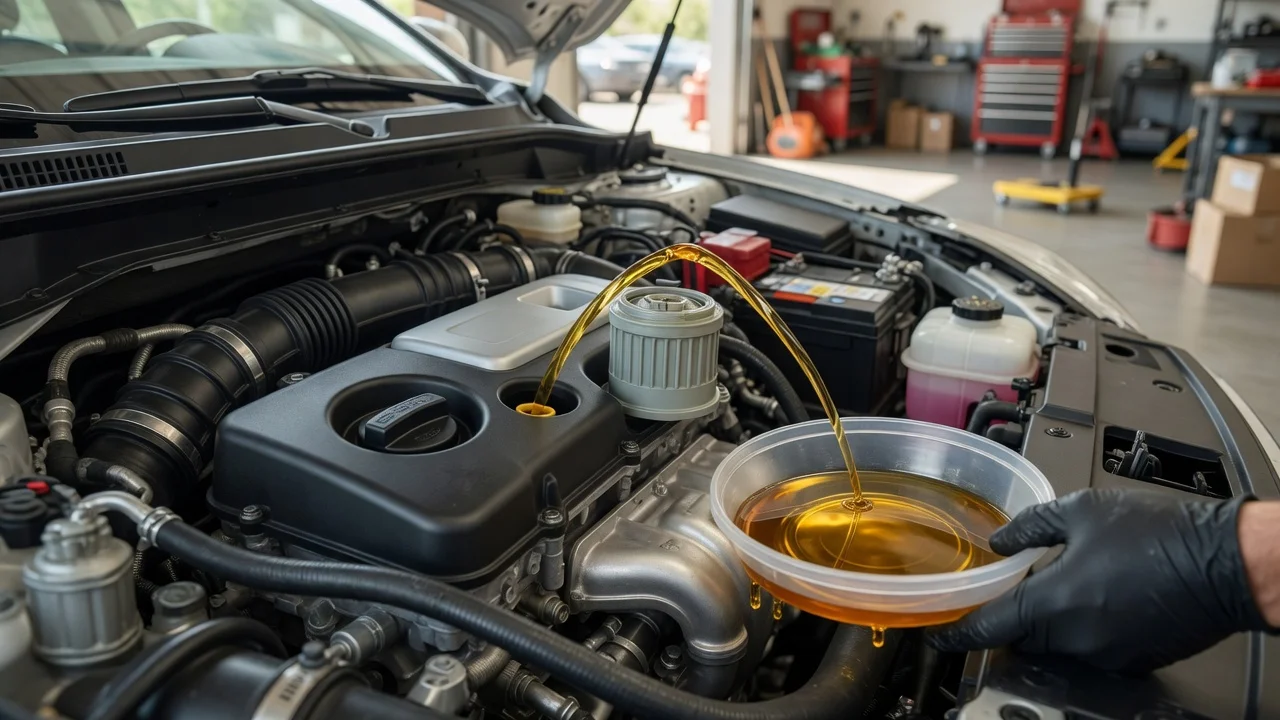
Under the hood, the engine oil fill cap sits on top of the engine and is typically marked with an oil-can symbol. The dipstick is a separate pull-out rod used to check the level, not to add oil. Do not confuse either with the coolant reservoir, brake fluid reservoir or windshield washer filler, which have their own caps and markings. Exact locations and handle colors vary by generation, so use the engine compartment illustration in the owner's manual for your model year to confirm them.
Using the capacity figure in practice
Treat the published capacity as a guide, not a fill target to pour in blind. A common approach is to add slightly less than the specified amount, run the engine briefly, switch it off, wait for the oil to drain back to the sump, then check the dipstick on level ground and top up gradually to the full mark. This guards against overfilling, which can be as harmful as running low.
Oil grade matters as much as quantity. The recommended viscosity can differ by model year, so use the grade printed in the owner's manual or on the oil fill cap for your vehicle rather than one quoted for another Pilot.
Bottom line
To get the right oil capacity for a Honda Pilot, identify the model year and engine, then read the with-filter refill figure in that vehicle's owner's manual or confirm it with a dealer using the VIN. Verify the final level on the dipstick rather than relying only on the number poured in.