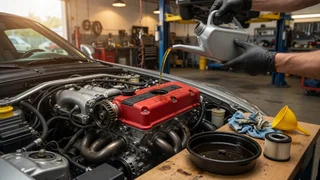
Honda car engine oil capacity chart
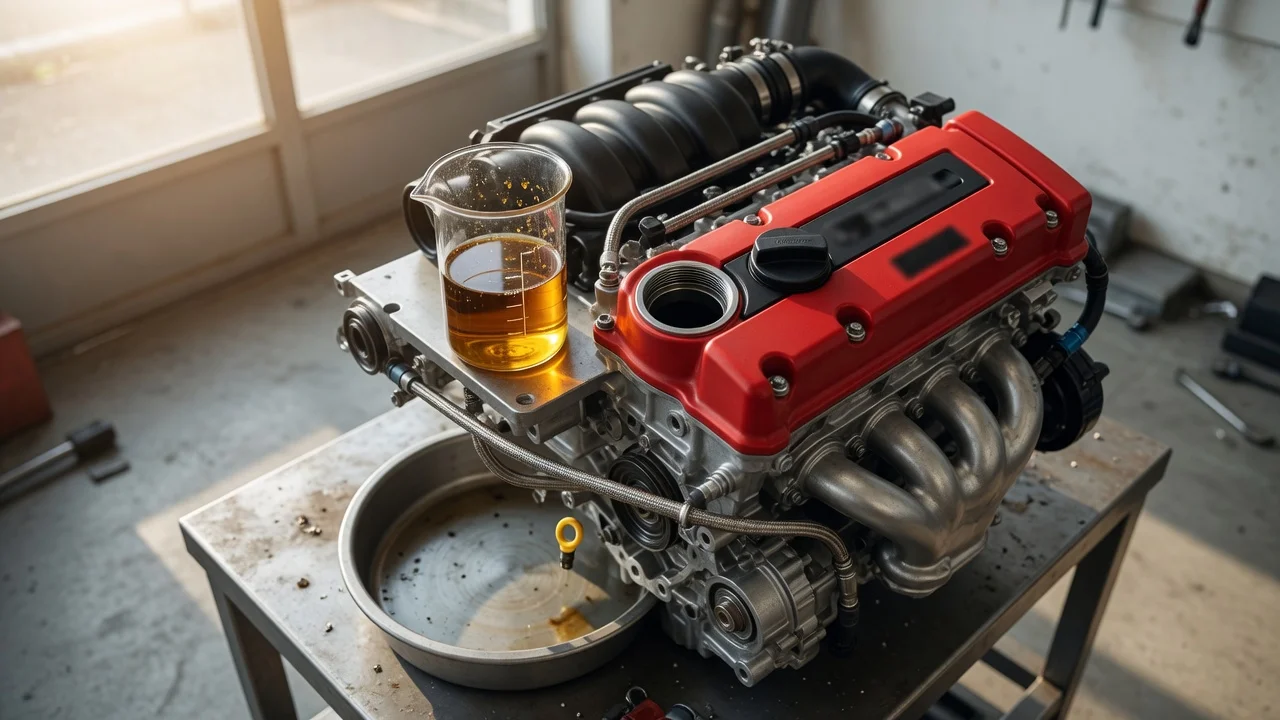
What Honda oil capacity actually means
There is no single oil fill volume for every Honda car. Capacity is set by model year, generation, engine family, and whether the oil filter is replaced with the oil. A chart is useful only when it matches those details. Figures for a Civic, Accord, CR-V, Pilot, Odyssey or HR-V from one year do not transfer to another engine in the same nameplate.
A complete model-by-model quart chart is not included here because fill volumes were not supplied as documented specifications for each powertrain. Treat any unlabeled “Honda oil capacity” number as incomplete until it is tied to a year, engine code and filter condition.
How to read a Honda capacity chart
Factory and service charts list refill volume after a drain, usually in U.S. quarts and litres. The row that matters is the one that matches the vehicle’s engine, not only the body style. Two Accords from the same year can carry different engines and different fill amounts. Hybrid and turbocharged variants are separate entries from naturally aspirated petrol engines.
Chart field What to match; Model and model year The exact year on the title or door jamb, not a nearby generation; Engine or displacement Engine code or litres shown in the owner’s manual or under-hood label; With filter / without filter Whether a new oil filter is installed at this change; Specified viscosity The oil grade Honda lists for that engine and climate; Service fill vs dry fill Service fill is a drain-and-refill; dry fill is a new or rebuilt engine
With filter versus without filter
Most published Honda refill figures assume a new filter. The filter holds extra oil, so a drain-only change takes less. If a chart shows two numbers, use the “with filter” value for a normal oil-and-filter service. Using the lower “without filter” amount after installing a new filter leaves the sump short.
Where the official number lives
Owner’s manual: capacities and recommended viscosity for that exact vehicle. Under-hood oil-fill cap and maintenance label: grade, and sometimes a reminder to check the dipstick after filling. Factory service information: engine-specific refill volume, including filter notes. Dipstick after a fill: the working check. Capacity is a starting volume; the correct level is between the dipstick marks with the engine off and the vehicle level.
Pour most of the listed amount, wait for oil to drain into the pan, then add in small steps until the dipstick reads between the lower and upper marks. Overfilling can aerate oil, raise crankcase pressure and damage seals. Underfilling starves the pickup, especially on a slope or during hard cornering.
Oil grade is separate from capacity
Capacity is how much oil the engine holds. Viscosity and specification are which oil to use. Honda passenger engines commonly call for a 0W-20 or 5W-20 oil that meets the Honda/Acura standard listed in the manual; some older or high-output engines specify a different grade. Do not substitute a thicker oil to “make up” for an uncertain fill volume, and do not treat a viscosity listing as a capacity listing.
Why generic Honda charts go wrong
One model name covers several engines across a generation. Mid-year running changes can alter pan, filter or pickup design. Market differences (U.S., Canada, other regions) can change listed volumes and units. Service fill after a drain is smaller than a dry fill on a new or rebuilt engine. Aftermarket filters do not always hold the same volume as the Honda filter the chart assumes.
Next step
Look up the refill volume in the owner’s manual for the vehicle’s year and engine, confirm whether that figure includes a new filter, then fill to the dipstick. If the manual is missing, the engine code on the under-hood emissions or build label is the identifier a dealer or service manual uses to pull the matching capacity. Until that row is confirmed, there is no reliable single number for “Honda car engine oil capacity.”