Glow Plug Control Module Replacement Cost
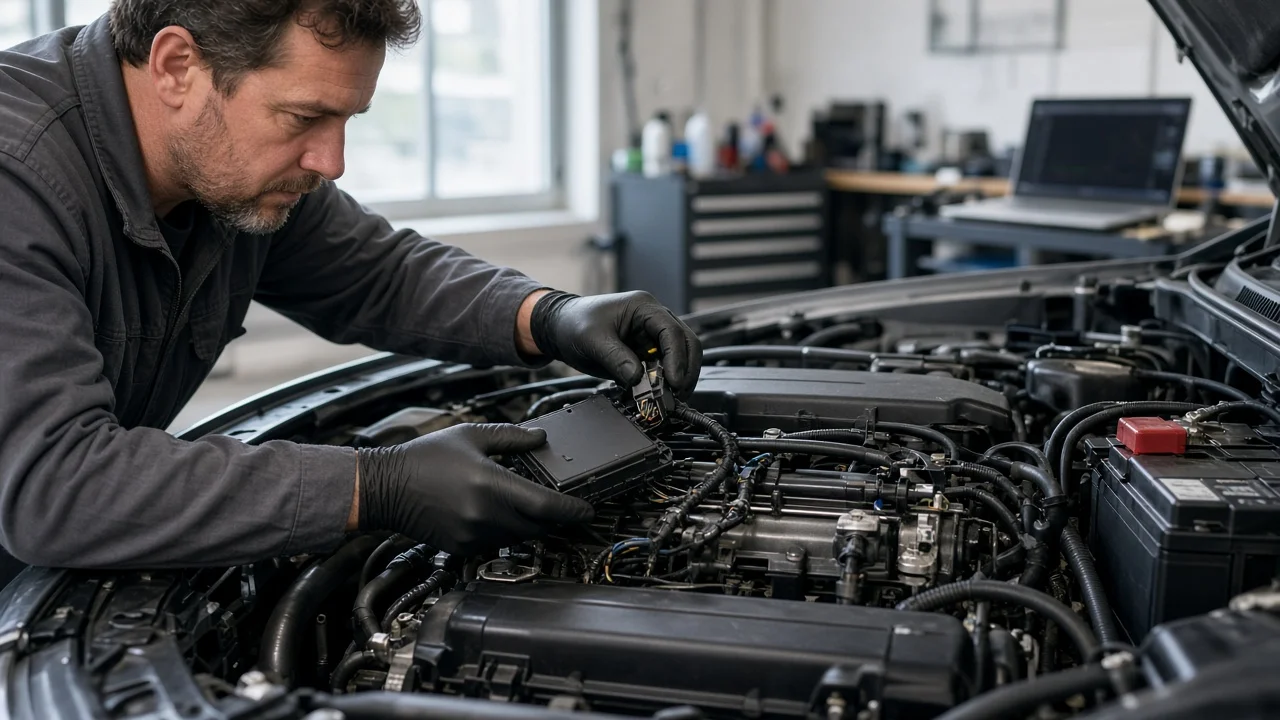
A glow plug control module tells a diesel engine's glow plugs when and how long to heat. When it fails, the usual signs are hard cold starts, white smoke, a glow plug warning lamp or stored fault codes. The cost of replacing it depends less on the module itself than on the vehicle, the diagnosis behind the quote and what else the shop includes. This guide explains how to read and compare estimates without guesswork.
What the estimate includes
A complete estimate for replacing a glow plug control module normally covers diagnosis, the part, the labor to remove and install it, and a final check that the system works. Diagnosis should confirm that the module is at fault. Other possible causes include a glow plug, the wiring harness, a connector, a fuse or the command signal from the engine control module. Labor includes reaching the module, which may sit near the battery, on a fender or frame rail, or under other components, depending on the vehicle. After installation the technician should clear codes, verify glow plug operation and confirm the warning lamp stays off.
Partial quotes are common and easy to misread. A parts-counter price covers only the module. A labor-only quote may assume you supply the part, and it may not include diagnosis, programming or any warranty on that part. A shop may also quote the diagnostic fee separately and sometimes credits it toward the repair. Know which of these figures you are looking at before you compare totals. Also confirm that the engine actually uses glow plugs. Some diesel engines rely on an intake air heater with its own relay or controller instead, and gasoline engines have no glow plug system at all.
What changes the cost
The biggest variable is the vehicle. Engine configuration affects how many glow plugs the module drives, how much current it switches, and how the module is mounted and connected. Simple relay-style units on older diesels are generally less involved than modern controllers that communicate with the engine computer and regulate each plug individually. On some vehicles a replacement controller must be programmed or initialized with a scan tool. That adds time and may limit which shops can do the job.
Labor depends on access and on the shop's hourly rate, which varies by region and between dealers, independent shops and mobile technicians. A module bolted in an open spot takes far less time than one buried behind other components. Corroded connectors, broken mounting hardware or damaged wiring can add time once the job starts. Ask how the shop handles findings beyond the original scope and whether it will contact you before doing extra work.
Related faults also change the total. A shorted glow plug or a chafed harness can overload a module, and installing a new module without fixing that cause can lead to a repeat failure. Testing each glow plug and the harness is therefore a reasonable part of the estimate. Hard starting can also come from the fuel side. Possible causes include low fuel pressure from a weak lift pump, a restricted fuel filter, an injector problem, or air entering the system through a loose fitting, which a leak check on the supply side can reveal. If testing shows no glow plug fault, the shop should look at these causes before selling you a module.
Compare like-for-like options
Compare offers on equal scope. A new original equipment module, an aftermarket unit and a remanufactured or used module may all fit, but they can differ in build quality, connector fit, software compatibility and warranty length. Check that any replacement is listed for your exact engine and model year, because controllers that look alike may not be interchangeable. Ask whether the warranty covers parts only or parts and labor, and whether only the installing shop honors it.
Shops often bundle glow plug replacement with the module when testing shows worn or failed plugs. That raises the total, but it may avoid paying for access and labor twice. On some engines glow plugs can seize in the cylinder head, and extracting a broken one is separate and potentially extensive work. A fair quote should say whether that risk is included or charged as an extra. When you compare a bundled offer with a module-only offer, make sure both are based on the same test results. Fuel additives are not an alternative to repair. They cannot restore a failed module or plug, even if they help fuel perform in cold weather.
Read an itemized quote
A useful written quote lists the diagnostic steps performed and the fault codes or test readings that point to the module. It gives the part number and brand and states whether the part is new, remanufactured or used. It shows the labor time and rate, any programming or initialization charge, and separate lines for glow plugs, connectors or harness repair if those are recommended. It should also state the warranty terms, shop supplies, environmental fees and taxes, and whether the diagnostic fee is applied to the repair.
Watch for exclusions. Some quotes leave out programming, broken glow plug extraction or wiring repair and add them later. Others list fuel system work without a clear reason. Replacing a glow plug controller does not require opening the fuel system, so ask what evidence supports any added work on fuel lines, an injector or the fuel pump. Modern diesel fuel systems run at very high pressure. Opening those lines is a job for a qualified technician following the manufacturer's procedure, not something to attempt at home to save on labor.
Decide the next step
Before you approve the work, gather the vehicle's year, model, engine and VIN, note the symptoms and when they occur, and have any stored fault codes read. Request written quotes based on the same diagnosis so you can compare totals fairly. Confirm that the part fits your exact engine, ask whether programming is needed and who can perform it, and find out how the shop will handle hidden faults such as a shorted plug or a damaged harness.
Avoid shortcuts that cost more later. These include replacing the module on a hunch, fitting a part that is not listed for your vehicle, ignoring a glow plug or wiring fault that could damage the new unit, and relying on an additive to get through winter. If the engine starts poorly in the cold, the warning lamp is on or the exhaust smokes heavily, have the vehicle checked promptly, because repeated hard starts put extra wear on the starter and battery. A clear diagnosis and an itemized estimate give you the most dependable answer to what the repair will cost on your vehicle.