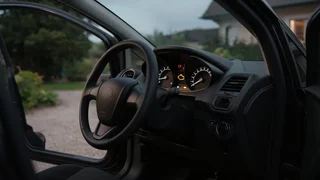
Ford Fiesta cockpit controls

Ford Fiesta cockpit controls differ by model year, model generation, trim level, and market specification, so the exact switch layout varies even inside one body style. A US-market Fiesta typically groups core switchgear around the driver with a straightforward hierarchy: primary driving inputs, secondary comfort adjustments, and infotainment or connectivity functions. Understanding the control architecture helps owners identify a button, interpret a warning, or compare equipment without guessing. The following overview explains the general layout and the operating logic behind the most common controls found across different Fiesta powertrain configurations.
Essential answer
The Ford Fiesta cockpit controls are the driver-facing switches, stalks, dials, and touchpoints that operate core vehicle functions from the front seats. They include the steering-wheel buttons, turn-signal and wiper stalks, climate-control panel, audio or infotainment stack, lighting switch, and door/window toggles. Exact control placement varies with trim level and market specification, but the Fiesta generally follows a compact-car layout intended to keep high-use items within short reach. Different model generations reposition some switches, so a control found near the shifter in one year may move to the dashboard in another.
Because the Fiesta was sold with several powertrain configurations and interior grades, the cockpit controls are best understood as functional clusters rather than one fixed arrangement. Base trims often use manual rotary climate knobs and a simple audio panel, while higher trims may add steering-wheel remote buttons and a larger display. Market specification also changes labeling, illumination, and available features, especially between US and European versions. When identifying a switch, the safest approach is to match it to the general cluster in your model year and confirm the symbol rather than assuming every Fiesta shares the same position.