Car cockpit dashboard layout
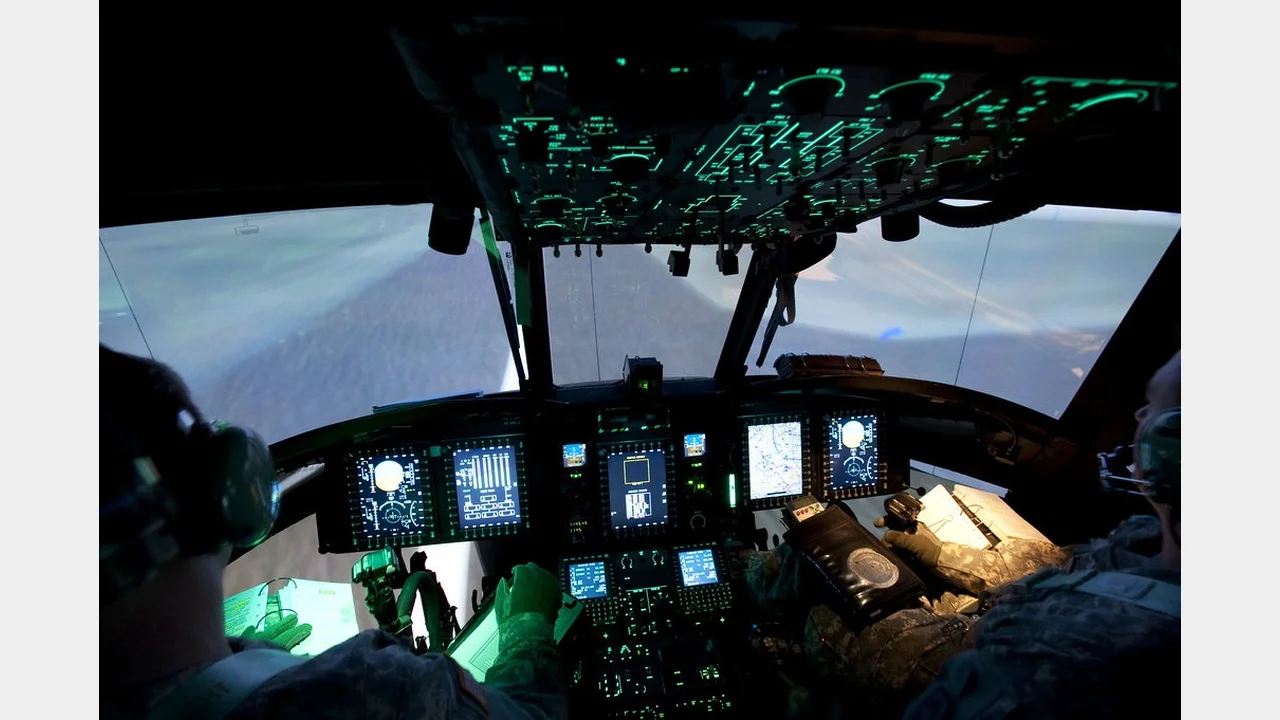
A car cockpit dashboard brings the controls, displays, and warning indicators into the driver’s line of sight so vehicle information can be read without taking attention far from the road. While designs vary broadly, most layouts group the instrument cluster, center stack, vents, and secondary switches around reach and visibility. Reading that layout helps an owner interpret display messages, recognize operating status at a glance, and use controls more confidently. The arrangement is not accidental; it reflects a balance between ergonomics, safety, and the need to keep frequently used functions within arm’s reach.
Essential answer
A cockpit dashboard car layout is the organized arrangement of the instrument panel area in front of the driver and the adjacent center section. It typically includes the instrument cluster, infotainment or climate controls, air vents, and driver assistance switches. The goal is to present essential operating status and controls in a way that supports quick scanning and natural hand movement. Some layouts orient the driver with a wraparound feel, while others use a more horizontal, open design. Either way, the cockpit concept emphasizes driver access rather than treating the dash as a simple decorative surface.
Because no single design fits every vehicle, the meaning of a good layout depends partly on seat position, steering wheel placement, and the size of the displays. A clear cluster may place the speedometer and tachometer directly ahead, with a diagnostic check lighting warning indicators only when attention is required. The owner manual remains useful for identifying less common symbols and understanding how display messages match specific systems. Recognizing the general zones of the dashboard helps an owner distinguish normal operating status from a condition that deserves a closer look.