Ford Automatic Locking Hub Selection: Fitment, Features and Upkeep
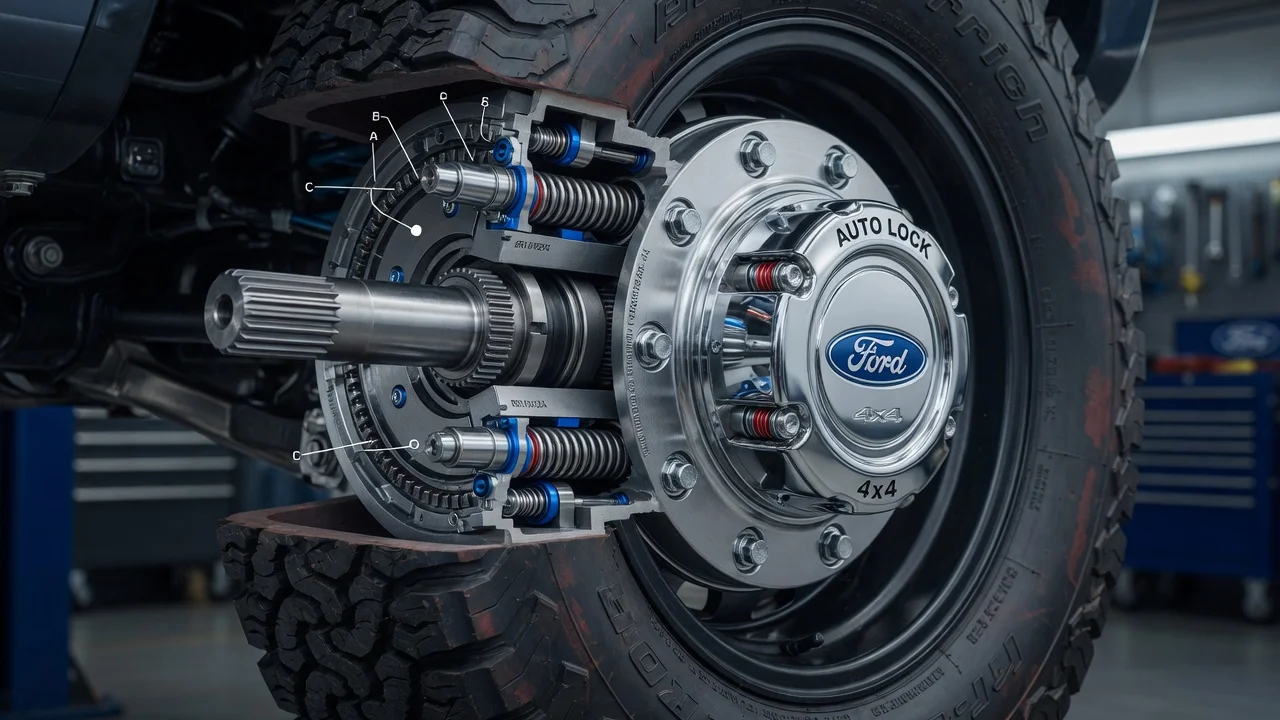
Ford automatic locking hubs connect the front wheels to the axle shafts when four-wheel drive is engaged and let them freewheel when it is not, so you do not have to step out and turn a dial at each wheel. Choosing a replacement or upgrade depends less on brand names than on matching your truck's axle, spindle hardware and driving habits. This guide shows how to narrow the options before you buy.
Define the job the product must do
Before comparing auto locking hubs for a Ford, start with how the truck is actually used. A half-ton pickup that sees occasional snowy driveways needs something very different from a Super Duty that tows on gravel or a Bronco that crawls rocky trails. Note how often you engage four-wheel drive, whether you use it for long stretches or brief bursts, and whether you shift in and out frequently. Note the operating conditions as well. Deep water, mud, salted roads and extreme cold all affect how well a hub's seals and internal parts hold up.
Then decide what problem you are solving. Some owners are replacing a worn factory unit with an equivalent part. Others want to swap automatic hubs for manual ones to get more positive engagement, or make the reverse swap for convenience. If the current hubs are failing to engage, confirm the cause first. Grinding, slipping or no engagement can come from the hub itself, but they can also come from a transfer case fault, a vacuum leak on vacuum-actuated systems, or a worn axle shaft joint. Replacing a hub will not cure any of those.
Check compatibility
Fitment depends on the exact vehicle configuration, not just the model name. Ford has used different front-end designs across model years, drivetrain options and chassis variants. Many older trucks have external mechanical automatic hubs, while many later ones use vacuum-actuated locking systems. Record the model year, VIN, front axle type and drivetrain option, and note whether the truck has a factory manual override. The axle tag, the build information or a parts lookup by VIN is more reliable than a general product listing.
Several interfaces determine whether a hub fits: • the axle shaft spline count; • the hub's mounting pattern and fastener style; • the way the wheel bearings are retained and adjusted; • the wheel hub or rotor assembly the unit attaches to; Some automatic hubs depend on specific spindle nuts, keyed washers or retainers. Installing one with the wrong bearing hardware can prevent engagement or damage the hub. If you are converting a vacuum-operated system to manual hubs, check whether the kit replaces the wheel hubs, whether it requires new bearings or seals, and how it says to deal with the vacuum lines.
Wheel and tire changes matter too. Some aftermarket wheels have a center bore or offset that does not clear a larger external hub body. Check the clearance against the wheels you actually run before ordering.
Features that affect the choice
The main trade-off is convenience versus control. A fully automatic design engages when the front driveshaft starts delivering torque and releases under specific conditions. That is easy for daily use, but engagement may be delayed or come with a clunk. Many mechanical designs release only after you shift to two-wheel drive and roll in reverse a short distance, so check the release procedure in the owner's manual or the product instructions. Hubs with a manual lock position let you keep the front wheels engaged for steep descents, prolonged off-road use, or any time you want engine braking at all four wheels.
Look past labels such as heavy-duty, premium or lifetime. Useful evidence includes: • an application list tied to specific model years and axle types; • the stated materials for the body and internal clutch parts; • the type of seals used; • instructions that specify a grease and a bearing adjustment procedure; A clear installation guide and available rebuild parts, such as O-rings and springs, tell you more about long-term ownership than a tagline. If a seller cannot confirm compatibility with your exact configuration, keep looking.
Limitations and ownership costs
Installing hubs is a wheel-end job. The vehicle is lifted and supported, the wheel and hub assembly come apart, the bearings are inspected and adjusted, and the new unit goes together with the correct hardware. Budget for consumables that should not be reused, such as seals, gaskets, O-rings and fresh grease, plus any special socket the spindle nut requires. If the bearings show pitting or discoloration, replace them during the same job rather than reinstalling them behind a new hub. Follow the manufacturer specifications for torque and bearing preload, because guessing at them leads to early hub and bearing failure.
Ongoing care is modest but not optional. Inspect the hubs during routine service, after water crossings and whenever engagement becomes inconsistent. Clean and re-lubricate them as the product instructions and the vehicle's maintenance schedule direct, rather than on a generic interval. Engaging four-wheel drive periodically helps keep the internal parts moving. A hub cannot repair a slipping transfer case, worn U-joints or CV joints, damaged spindles, or a faulty vacuum or electrical control circuit. Recording each hub job in the truck's service history makes later diagnosis easier.
Build a practical shortlist
Narrow the field with a short checklist: • Confirm the part is listed for your model year, front axle and drivetrain. • Confirm the spline count and mounting style match what is on the truck now. • Check whether the kit includes the spindle nuts, retainers and seals it depends on, or whether you must buy them separately. • Choose between fully automatic operation, a dual-mode design with a manual lock, or a manual conversion. • Make sure the release procedure suits how you drive.
Compare what each option includes for the price: hardware, seals, instructions and access to rebuild parts. Make sure the hub body clears your wheels. Add the cost of bearings or tools if your current wheel ends need them. Rank the remaining choices by how well they match your operating conditions, not by marketing claims. Once you have two or three verified candidates, the decision usually comes down to engagement style and parts support.