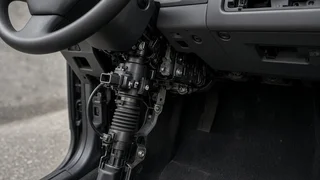
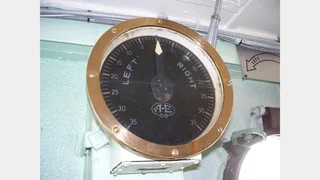
Fault 01826 steering angle sensor G85 supply voltage terminal 30
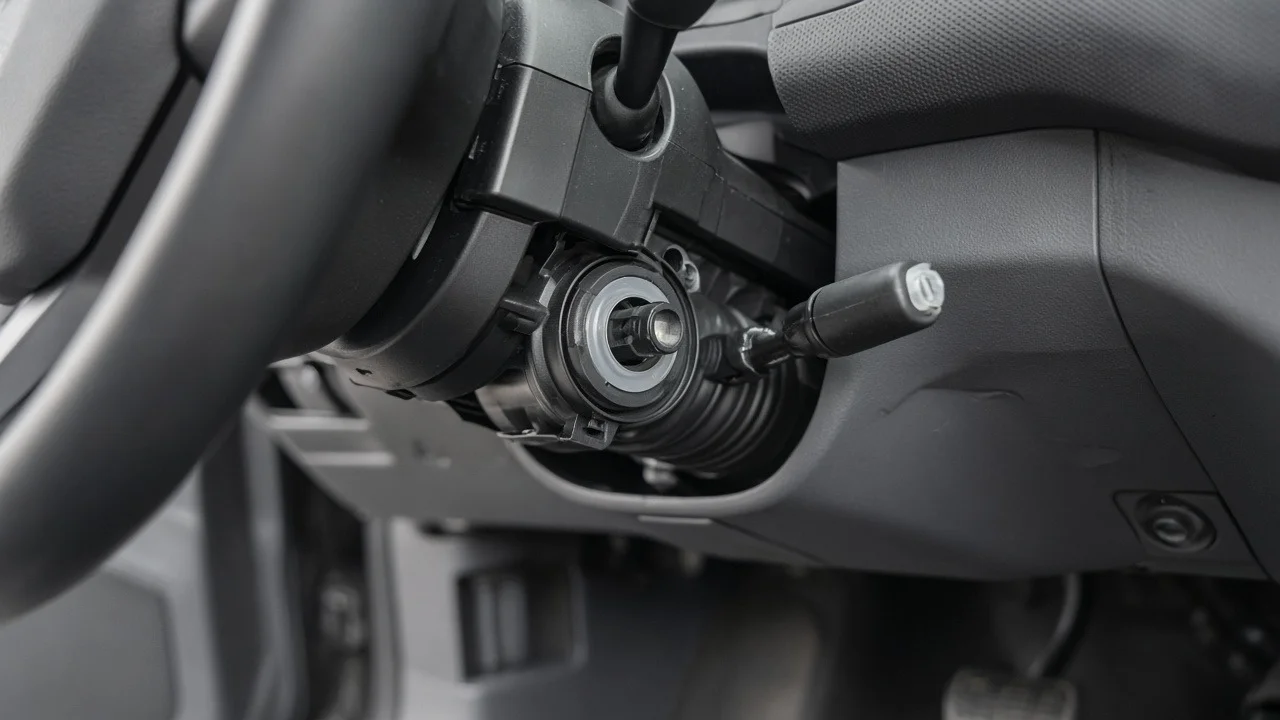
A stored fault for the steering angle sensor G85 can appear when the module loses its stable reference voltage on terminal 30, interrupting the signal the stability and steering systems expect. For readers searching “01826 sensor for steering angle G85 supply voltage terminal 30,” the concern is usually a voltage supply interruption, wiring fault, or control module condition rather than an immediate sensor failure. The diagnostic value is in understanding what the code observes, how the circuit is arranged, and which checks can separate a supply problem from a sensing or calibration issue.
Direct answer
Fault 01826 indicates that the steering angle sensor, identified as G85, has recorded a problem with the supply voltage feed associated with terminal 30. Terminal 30 is the battery-direct feed, meaning the circuit does not depend on the ignition switch staying in the run position. When the sensor reports this code, the control module has detected voltage outside the expected window, an interrupted feed, or a momentary loss of supply during operation. The code describes an electrical condition, not a mechanical failure inside the sensor.
The practical meaning depends on how the circuit is configured on the specific vehicle. In some systems the sensor is fed directly from a fused battery supply, while in others the terminal 30 designation is internal to a steering column or ABS control module. Because manufacturer-dependent wiring can change the diagnostic path, the code should be confirmed with vehicle-specific circuit information before replacing the sensor. A voltage code is evidence of an electrical fault to locate, not automatic proof that G85 itself is defective.
Interpreting symptoms and test results
Begin with the supply circuit when interpreting this code. A blown fuse, loose terminal, corroded connector, or damaged wire can create the voltage drop that the sensor reports. Because terminal 30 is battery-direct, the fault may only appear under certain conditions such as engine cranking, steering movement, or harness flexing. Reading live voltage at the sensor connector while gently moving the harness can help identify an intermittent open, as can checking for voltage remaining with the ignition off if the vehicle uses an unswitched supply.
If voltage and ground are stable at the sensor connector, the next question is whether the G85 sensor is receiving power but losing communication or calibration data. In some systems a low supply condition produces an implausible steering angle value, which may also trigger a warning for the stability control system. Check for related codes acknowledging the steering angle value. After any wiring repair or sensor replacement, the sensor generally needs a calibration or basic setting procedure, and suspension factors such as wheel alignment and ride height must be correct before the zero position can be trusted.