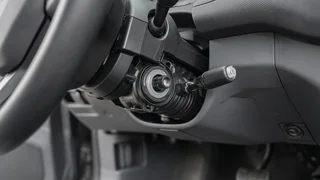
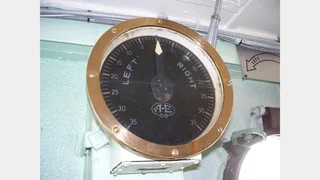
G85 steering angle sensor location
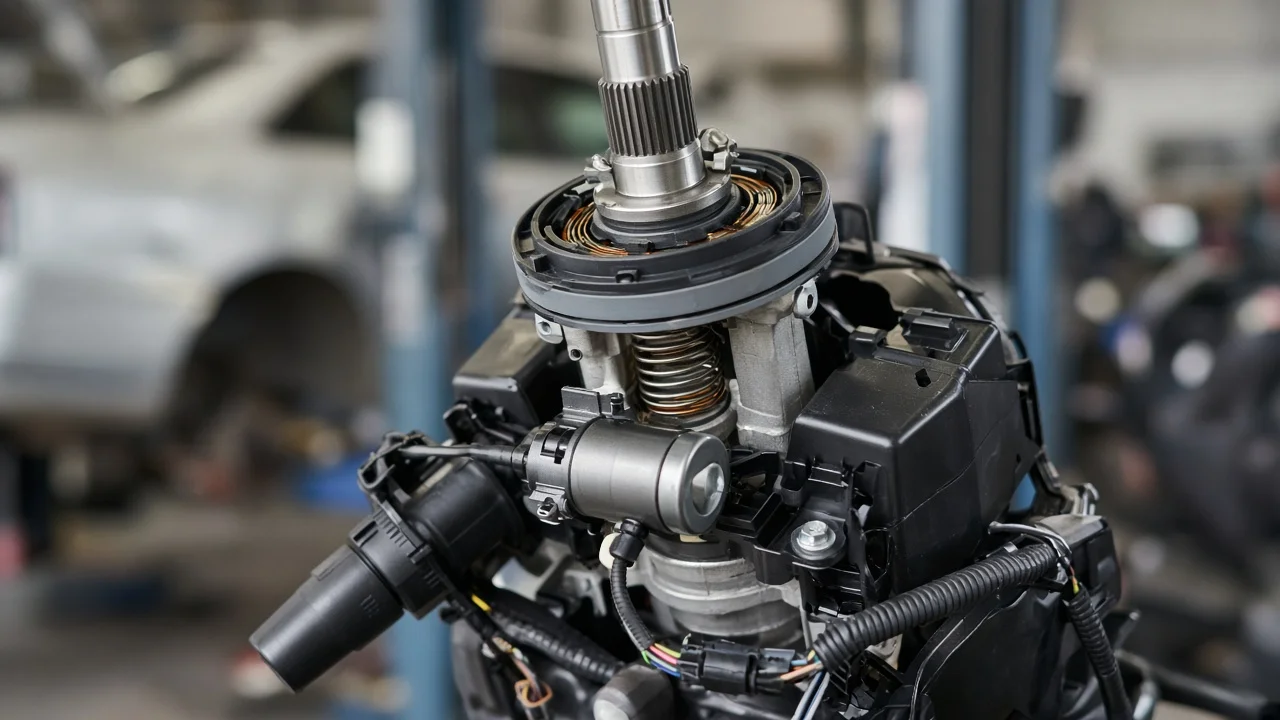
The G85 steering angle sensor is a key input for modern stability control, steering feel, and driver assistance systems, so locating it matters when diagnosis points to steering angle data. On many vehicles the sensor is integrated into the steering column switch assembly, often near the clock spring behind the steering wheel, rather than mounted as a separate external component. Understanding this location helps clarify scan tool faults, calibration needs, and why the sensor’s signal affects systems that depend on accurate steering position and route information.
Essential answer
The G85 designation is commonly a diagnostic label for the steering angle sensor used by several Volkswagen Group and other manufacturer platforms. When a scan tool reports a G85 fault, it is identifying the module or signal path that measures steering wheel rotation and direction. On many vehicles this sensor is not a standalone visible part; it is built into the steering column electronics, often sharing a housing with the turn signal and wiper switches. The unit records angular movement so the stability control module can compare the driver’s intended direction with the vehicle’s actual yaw behavior.
A missing or implausible G85 signal can disable stability control, affect electric power steering assistance, or trigger warnings for systems that rely on steering angle. The essential answer is therefore not simply a bracket or bolt location, but an electronic position within the column assembly. Because the sensor’s value depends on a defined center point, calibration or basic setting is usually required after alignment, column work, or battery disconnection. That explains why the location question often appears alongside steering angle sensor reset and adaptation procedures.
Identification and location
To find the G85 steering angle sensor location, begin at the steering wheel and trace rearward along the column toward the instrument panel. The sensor typically sits close to the clock spring, the ribbon-style connector that allows the wheel to turn while maintaining airbag and horn circuits. On many applications, removing the steering wheel and column trim reveals a module with an electrical connector and a rotating sensing element. The exact position varies by platform, so vehicle-specific documentation is the reliable way to confirm whether the sensor is in the column switch cluster, behind the wheel, or lower on the column near the intermediate shaft.
Do not confuse the G85 sensor with the steering torque sensor used in some electric power steering racks or columns. The torque sensor measures twist in the steering shaft to determine assist effort, while the G85 reports the absolute or relative angular position of the wheel. Location can also differ between vehicles with conventional hydraulic steering and those with electromechanical steering. Because the sensor may read changing magnetic fields or optical encoding, its mounting orientation and secure fastener placement are important for stable position accuracy and reliable device settings.