Duramax LB7 Idle Oil Pressure: What a Normal Reading Depends On
The Short Answer
Oil pressure on a Duramax LB7 at idle is not one fixed number. It is expected to be noticeably lower than at cruising speed, and lower again once the oil is fully warm. Whether a given idle reading is acceptable depends on oil temperature, oil viscosity, engine speed and how the pressure is measured. The material available for this guide does not include a verified factory minimum idle pressure for the LB7, so this article does not state a specific psi figure. The authoritative limit is in the GM factory service information for your truck's model year. Use that figure and a known-accurate gauge to judge your engine.
Which Engine This Applies To
LB7 is GM's code for the first-generation 6.6-liter Duramax V8 turbodiesel. It was used in heavy-duty Chevrolet Silverado and GMC Sierra pickups in the early 2000s, before the LLY replaced it. Later Duramax versions differ in design and calibration, so oil pressure figures quoted for an LLY, LBZ, LMM or newer engine should not be assumed to apply to an LB7. Confirm your engine by the RPO code on the glovebox label or by the eighth character of the VIN before you compare your readings against any published figure.
Why Pressure Falls at Idle
The LB7, like most engines of its type, uses an engine-driven oil pump, so the pump's output rises and falls with crankshaft speed. At idle the pump turns slowly and moves less oil. Pressure is the resistance that oil meets as it flows through the bearings and passages. Hot oil is thinner and flows through those clearances more easily, so it builds less pressure. Together, these mean the lowest reading of a normal drive usually comes at hot idle, for example after a long highway run or a heavy tow followed by a stop. A higher reading on a cold start that settles lower as the engine warms reflects the same principle. It is not a fault in itself.
What Changes the Idle Reading
Oil temperature: the hotter the oil, the lower the idle pressure. Oil viscosity and condition: a thinner grade than specified, fuel dilution or badly worn oil can lower pressure. Idle speed: a lower idle speed means less pump output and lower pressure. Internal wear: bearing clearances that have grown with mileage let oil escape more easily, which reduces pressure, especially at hot idle. Sending unit and gauge: an aging sensor, a wiring fault or an inaccurate dash gauge can show a low or erratic number even when actual pressure is fine. Filter and pickup: a restricted filter or oil pickup can starve the pump.
How to Tell Whether a Low Reading Is a Real Problem
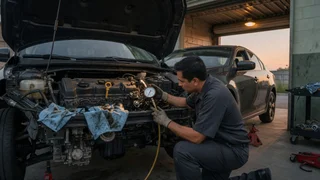
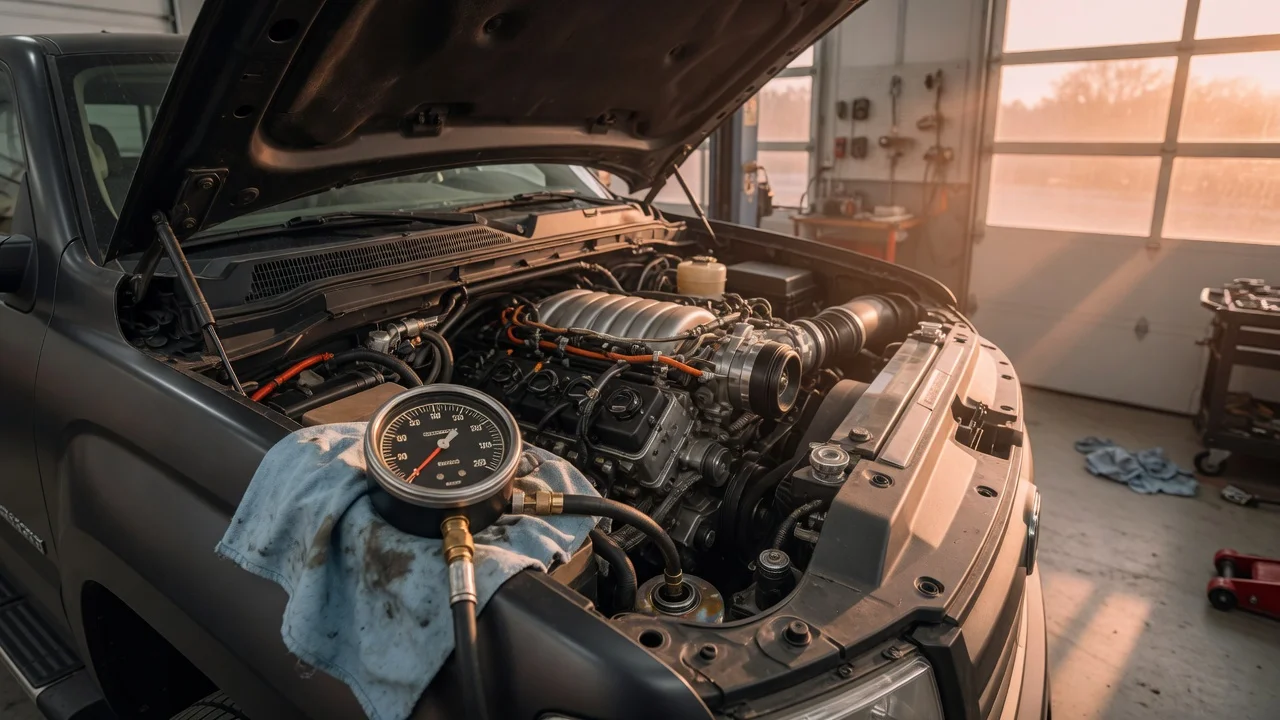
Look for a pattern. A reading that drops at hot idle and recovers promptly when engine speed rises is consistent with normal behavior. A reading that stays low at higher rpm, or that falls suddenly, deserves attention. Check the basics first. Confirm the oil level and grade, and smell the dipstick for fuel, since dilution thins the oil. Verify the reading with a mechanical gauge. A mechanical test gauge connected to an oil pressure port shows whether the dash gauge or its sensor is giving a misleading number. Compare against the factory figure. Take the reading at the temperature and engine speed specified in GM's service information, not at whatever conditions happen to be present. Treat warnings seriously. If the low-pressure warning lights up, the engine makes new knocking or ticking noises, or pressure drops toward zero, shut the engine off and have it diagnosed before driving further.
What This Guide Could Not Verify
The supplied material contained no documented LB7 oil pressure specifications, no attributed test measurements and no owner-reported data sets. As a result, this guide gives no numeric normal range, no factory minimum and no rpm-specific targets. Figures shared on forums and in informal sources vary and are often recorded under unstated conditions, so treat them as anecdotal. For a firm answer, rely on the GM service manual for your exact model year and a verified mechanical gauge reading.