Duramax Oil Pressure at Idle: Understanding LB7 and Later Engines
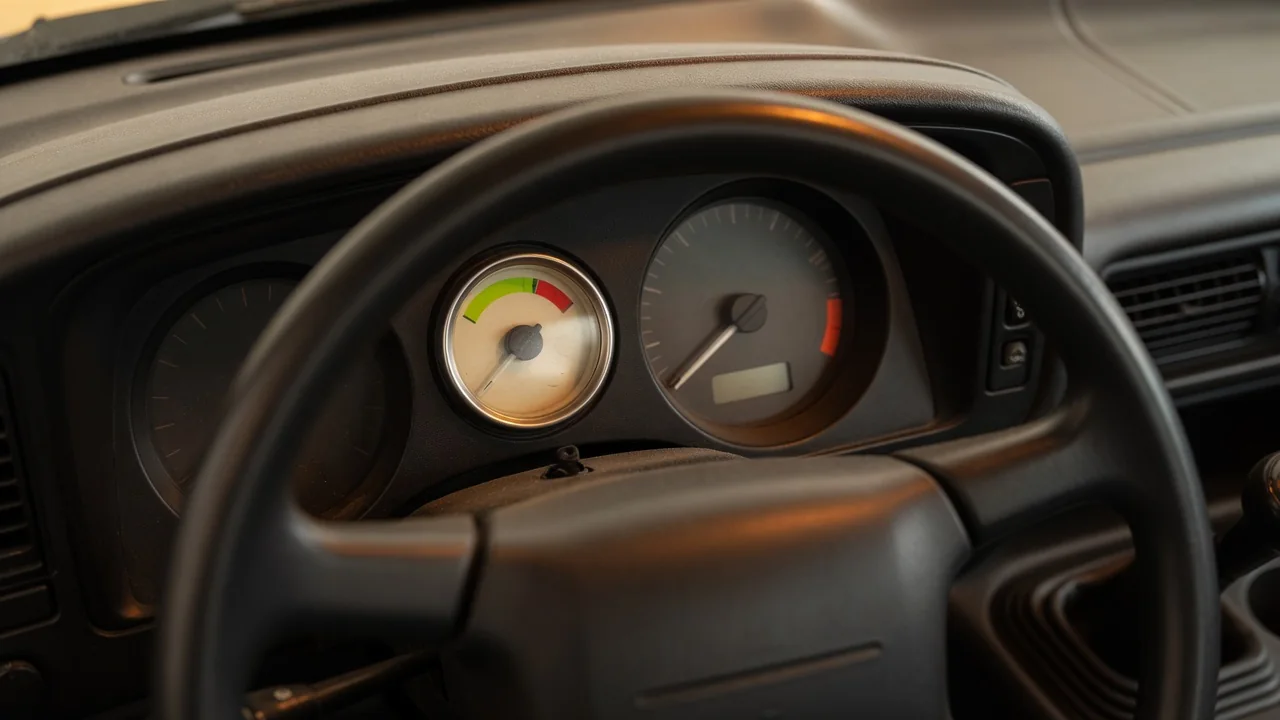
LB7 oil pressure at idle is a common Duramax diesel concern when the gauge drops at a stop. Duramax idle oil pressure and Duramax oil pressure at idle both change with engine generation, oil temperature, idle speed, and oil viscosity, so a familiar needle position is not proof of adequate lubrication. Interpret readings against service conditions, record safe observations, and treat a low oil pressure warning as a reason to shut down and verify actual pressure.
What Establishes Normal Duramax Oil Pressure at Idle
A useful look at Duramax oil pressure at idle starts with engine generation, oil temperature, idle speed, and the pressure shown on the oil pressure gauge or scan tool. LB7 oil pressure at idle cannot be judged the same way as a later Duramax reading because lubrication hardware, senders, and published test conditions differ by generation. Before labeling a number normal or low, locate the manufacturer service specification for that engine and note the oil-temperature and engine-speed conditions under which it was written.
A minimum service specification is a floor measured under defined conditions, not a target for everyday dashboard appearance. Duramax idle oil pressure on the cluster can sit well above that floor at some temperatures and closer to it once the oil is fully warm, so there is no single idle-pressure cutoff that fits every Duramax. A familiar gauge position also cannot confirm adequate lubrication because the oil pressure sender, wiring, and gauge calibration can all distort what you see, and the needle does not report oil film at the bearings.
How to Assess an LB7 Idle Pressure Reading
Before applying any published figure to LB7 oil pressure at idle, confirm the truck's model year and that the engine is actually an LB7. Duramax families share a nameplate look while using different lubrication layouts, senders, and service data, so a later-engine number can mislead an early owner. Any threshold you use must include verified oil-temperature and engine-speed conditions from the applicable service information. A pressure quoted without those conditions is not a specification you can compare to a warm idle reading on the oil pressure gauge.
Note whether the reading appeared at cold start, after a short drive, or once the oil is fully warm, because oil viscosity and indicated pressure change across that range. Coolant reaching its usual operating temperature does not establish that the oil has reached the specified test temperature; oil can lag, especially on a short trip or in cool weather. For Duramax oil pressure at idle, record oil temperature if a scan tool or gauge provides it, then compare only when both temperature and idle speed match the test conditions in the service data.
Why Oil Temperature and Idle Speed Affect Pressure
As oil temperature rises, oil viscosity falls, and Duramax idle oil pressure often drops even when the lubrication system is healthy. That decline at warm idle is a physical effect of thinner oil flowing more easily through clearances, not automatic proof that a pump, bearing, or sender has failed. Engine speed also matters because pump output typically rises with speed. An elevated idle from cold fast-idle, aftertreatment, accessories, or a high-idle setting therefore changes the context of the reading and cannot be compared directly with a specification written for curb idle.
Engine oil must meet the viscosity grade and specification required for that Duramax and the conditions in which it is operated, because the wrong grade can raise or lower indicated pressure without protecting the bearings. Thicker oil or a bump in idle speed should never be used to conceal an unexplained low-pressure reading. Those changes can lift the needle while leaving a lubrication problem unaddressed. If LB7 oil pressure at idle still looks low once the oil is fully warm at a documented idle speed, verify the reading instead of masking it with a different oil.
Safe Observations to Record Before Diagnosis
Start with engine oil level on level ground with the engine off, using the owner's manual dipstick procedure and the waiting period it specifies so oil can drain back to the pan. A low sump can drop Duramax oil pressure at idle even when the pump can still build pressure. Record oil pressure gauge behavior at cold start and warm idle, any low oil pressure warning, unusual engine noise, recent oil service, and when the change first appeared so a technician has a timeline rather than a single snapshot.
From a standing position, look for a fresh oil spot beneath the parked truck without crawling underneath or touching hot exhaust, turbo, or cooling parts. A new leak does not prove the cause of low indicated pressure, but it is a useful observation to report. An abrupt drop, an erratic needle, or a gauge that stays fixed at one value may involve the oil pressure sender or its electrical circuit. That possibility does not rule out genuine low pressure, so treat sender suspicion as a reason for a mechanical pressure test rather than as a reason to keep driving.
When to Shut Down and Arrange Professional Testing
If a low oil pressure warning appears, the gauge falls suddenly near zero, or new mechanical noise accompanies low indicated Duramax oil pressure at idle, stop in a safe place and shut the engine off. Continued idling, revving, or a test drive to see whether the reading recovers can add damage if lubrication is actually insufficient. Do not wait for the needle to climb back on its own. An LB7 or later Duramax that is making new knock, tick, or rumble with a low reading is not a candidate for further observation on the road.
A technician can perform a mechanical pressure test with suitable equipment at the specified oil temperature and engine speed, then compare that result with the oil pressure gauge, oil pressure sender, and wiring. Confirmed low pressure leads to inspection of oil condition, engine oil level and supply path, filter restriction, and internal lubrication components. A low reading is evidence to interpret, not proof that the pump has failed, and manufacturer-dependent diagnostic steps still require vehicle-specific confirmation. Arrange that testing rather than substituting a sender, changing viscosity, or continuing to idle while hoping the indication is only electrical.