Oil pressure drops when engine is hot or at idle
A hot engine naturally produces lower indicated oil pressure, especially at idle when pump speed falls, but a warning light or unusually low gauge reading while stopped still deserves attention. Oil thins as temperature climbs, clearances change, and pressure follows a predicted curve rather than staying fixed. Understanding that normal relationship separates harmless warm-idle behavior from a developing lubrication problem. The likely causes range from a simple level check and lubricant specification issue to bearing clearance wear or sender inaccuracy, and the practical response depends on recognizing which scenario matches the vehicle.
Essential answer
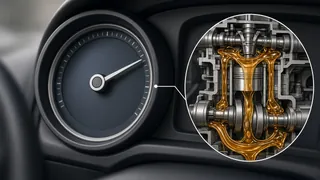
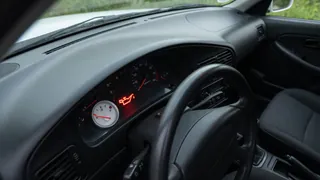
Oil pressure drops when an engine warms up because hot motor oil flows more easily, and at idle the gerotor or gear-type pump turns slowly and moves less volume through the same clearances. Some reduction below the cold-start reading is therefore expected on a mechanical gauge. The engine still needs enough film strength to support the crankshaft, camshaft, and turbocharger journals, so the concern begins when pressure falls far enough to trigger an indicator or produce noise after the oil reaches operating temperature.
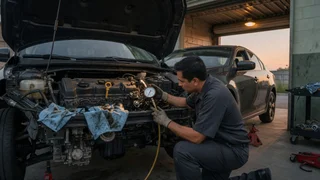
A pressure reading must be interpreted against the vehicle’s approved viscosity and fill quantity, not an arbitrary number. Low engine oil pressure when stopped can point to a low sump level, fuel dilution thinning the lubricant, a worn pump, a partially blocked pickup screen, or increased bearing clearance. A sender or gauge fault can also create a false low reading. Confirming the actual hot-idle value with a known-good mechanical gauge, when available, helps distinguish a sending-unit problem from a real drop in lubrication system pressure.