Drive outside Rome
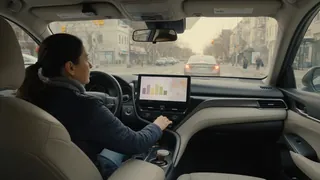
Many American drivers picture Rome as a dense historic center, but the automotive reality changes quickly once you leave the walls. Driving outside Rome shifts from narrow lanes and restricted traffic zones to ring roads, hill towns, and faster regional routes. The steering position, traffic direction, and vehicle configuration can feel different from a US market specification, so it helps to separate the urban core from the broader metropolitan and rural network. Understanding the road environment, driver visibility, and control layout sets realistic expectations for a day trip or a longer journey through the surrounding Lazio countryside.
Essential answer
Driving outside Rome generally means leaving the historic center’s congested tangle and entering a mixed network of suburban arteries, a peripheral expressway, and two-lane regional roads. Beyond the immediate suburbs, traffic thins and the landscape opens into volcanic hills, coastal flats, and rural towns. The experience is less about high-speed interstate travel and more about managing varied road surfaces, roundabouts, and local driving rhythms that differ from a typical American commute.
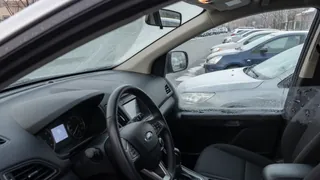
The essential scope includes any route beyond the central limited-traffic area, from the Grande Raccordo Anulare ring to countryside lanes. The steering position in a rental or local vehicle may be left- or right-hand depending on origin, but traffic moves on the right. Vehicle configuration and driver visibility matter most when squeezing through old town gates or passing parked cars on narrow roads. Without specific trip data, no universal route, distance, or travel time can be stated; the practical answer is that the driving environment changes substantially once you cross from the historic core into the surrounding region.