Does Car Insurance Cover Vandalism? Coverage and Claim Costs
Direct Answer
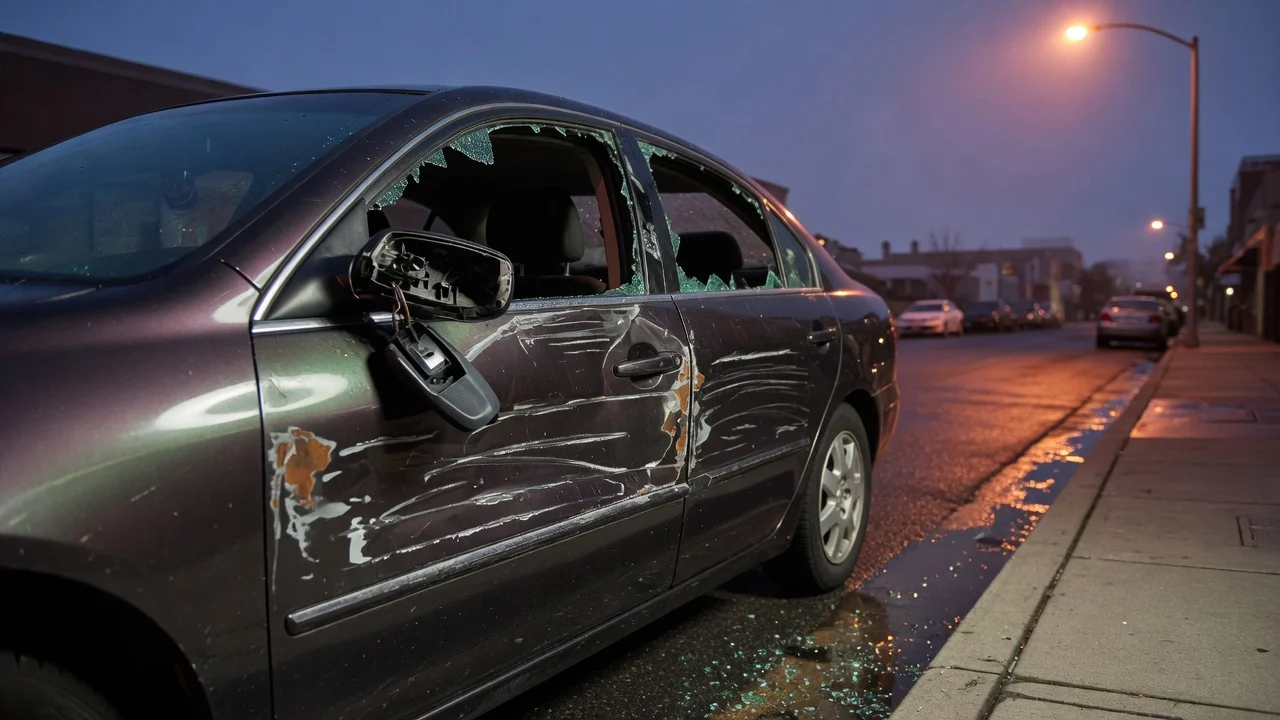
Car insurance can cover vandalism, but only if the policy includes comprehensive coverage. Liability-only policies do not pay for damage to your own vehicle, and collision coverage applies only to accidents involving another vehicle or object, not deliberate damage. Comprehensive coverage, sometimes called "other than collision" coverage, is the part of the policy that may respond to theft, fire, weather damage, falling objects, and vandalism. Keying, slashed tires, smashed windows, spray paint, and similar deliberate damage generally fall into this category, subject to policy terms and your deductible.
Which Coverage Applies
Vandalism claims are processed under comprehensive coverage. A standard auto policy typically separates physical damage coverage into two optional parts: collision and comprehensive. Collision covers the insured vehicle when it strikes or is struck by another vehicle or object. Comprehensive covers damage from causes other than collision, including vandalism. If you carry only the minimum liability insurance required by your state, you do not have coverage for vandalism damage to your own car.
How a Vandalism Claim Works
The general process is to document the damage, report it to the insurer, and obtain a repair estimate. You will normally pay the comprehensive deductible before the insurer pays the remaining covered repair cost up to the vehicle's actual cash value. If the cost to repair the vehicle is below the deductible, the insurer pays nothing. The claim amount is based on the covered damage and the policy limit, not on the full value of the vehicle unless the damage is severe enough to make the car a total loss.
Deductibles and Claim Costs
Comprehensive deductibles commonly range from zero to one thousand dollars. A lower deductible means the insurer pays more of a covered claim, but it also generally raises the premium. A five-hundred-dollar deductible is a common choice, though actual pricing and available deductible options depend on the insurer and state. The key calculation is whether the repair estimate is enough above the deductible to justify filing a claim. Multiple small acts of vandalism in one incident are usually treated as one claim, so the deductible is applied once to the total covered damage from that event.
Policy Conditions and Exceptions
Coverage is not automatic merely because damage appears deliberate. The policyholder must show that covered vandalism occurred, and intentional damage caused by the insured is excluded. Insurers may also require a police report for a vandalism claim, depending on company procedure and the circumstances. Wear and tear, mechanical failure, and damage present before the policy period are not vandalism and are not covered under comprehensive coverage. The article does not provide a universal rule for how a claim affects future premiums, because that result varies by insurer, state, and claims history.
What to Do After Vandalism
Photograph the damage before moving the vehicle or making temporary repairs. Record the date, time, and location where you found the damage. File a police report if required by the insurer or if the value of the damage is substantial. Prevent further damage with temporary coverings such as plastic over a broken window, but keep the insurer informed. Contact your insurer to report the loss and confirm your comprehensive coverage and deductible before approving permanent repairs.
Coverage Gaps
The largest gap is liability-only insurance. Drivers without comprehensive coverage have no vandalism protection through their own auto policy. A separate gap is the deductible itself: low-level damage may cost less to repair out of pocket than the deductible, making a claim financially pointless. The article does not include enough supplied information to quantify average vandalism repair costs or claim frequency, so those figures are not stated here.
Bottom Line
If your policy includes comprehensive coverage, vandalism is generally a covered cause of loss, but you must pay the selected deductible and follow the insurer's claim procedure. If you carry only liability or collision coverage, do not expect the insurer to pay for deliberate damage to your car. Before filing, compare the repair estimate with the comprehensive deductible to decide whether a claim is worthwhile for your specific policy and circumstances.