Does Car Insurance Cover Scratches? Deductibles and Claim Decisions
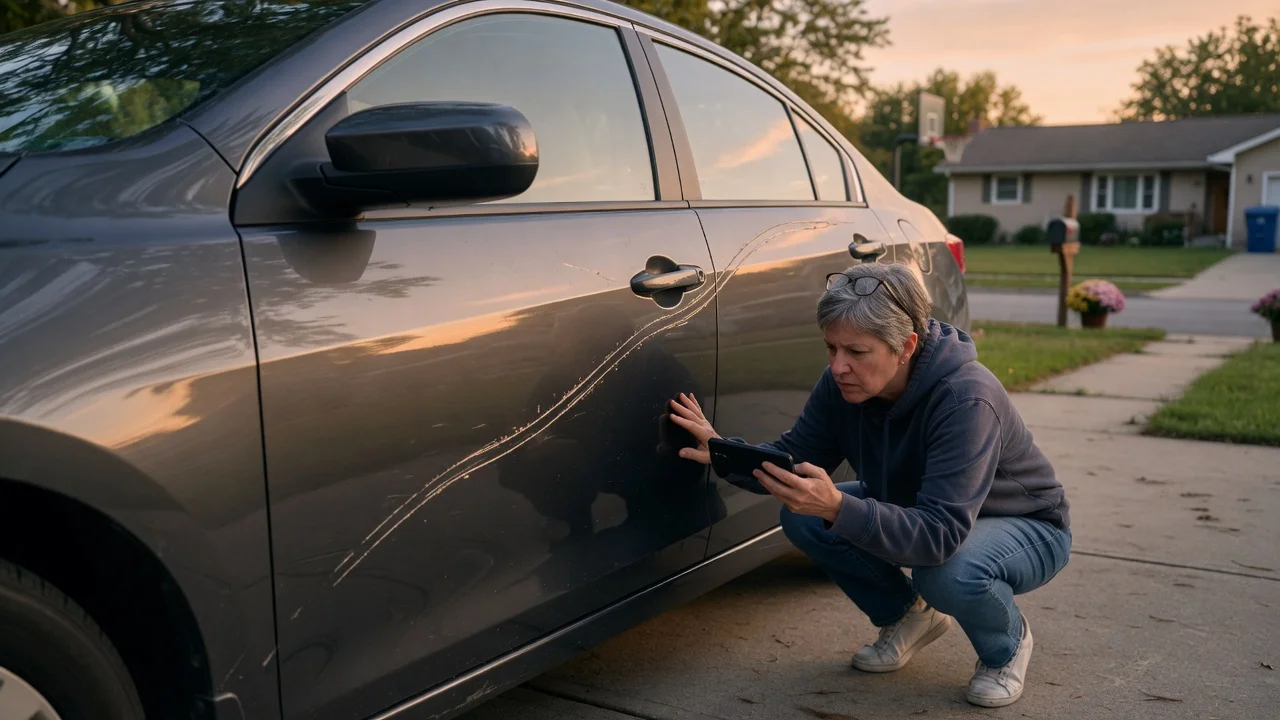
Does car insurance cover scratches?
Sometimes. Whether a scratch is covered depends on the cause, the coverages on the policy, and whether the repair cost is worth the deductible and a possible premium change. Liability coverage pays for damage you cause to someone else’s vehicle; it does not pay to repair scratches on your own car. Damage to your own paint is typically considered only if you carry collision, comprehensive, or a similar own-vehicle physical-damage coverage, and only if the event matches what that coverage is written to include.
The answer also changes by policy wording, insurer, and market. A named-peril or limited comprehensive form, a high deductible, an exclusion for wear and tear, or a requirement to identify the other party can all turn a scratch that looks “insured” into an out-of-pocket repair. Treat the sections below as the usual structure of personal auto policies, then confirm the declarations page and the physical-damage section of your contract before you file.
Which coverage applies
Collision coverage is the usual path when a scratch comes from striking or being struck by another vehicle, a fixed object, a parking-lot pole, a curb, a garage wall, or another accidental impact involving the insured car. Comprehensive coverage is the usual path when the scratch is not from a collision with another vehicle or object in that sense, including vandalism, a hit-and-run that the policy treats as comprehensive, hail, falling debris, or an animal strike, if those perils are included. Some policies fold animal and vandalism events into comprehensive; others use different labels. If you carry only liability, medical-payments or personal-injury protection, and uninsured-motorist coverage, a scratch on your own paint is generally not an insured loss.
Collision: accidental impact damage to your vehicle, including scrapes from another car, a barrier, or a parking structure, subject to the collision deductible.
Comprehensive: non-collision physical damage that the policy lists or defines, commonly vandalism, weather, falling objects, and similar events, subject to the comprehensive deductible.
Liability: damage you legally cause to someone else’s property; it does not repair your own scratches.
Uninsured or underinsured motorist property damage: available in some markets when another driver is at fault and has little or no insurance; rules, deductibles, and whether scratches qualify vary by jurisdiction and form.
Everyday paint wear, swirl marks from washing, stone chips that accumulate over time, and deterioration from age or neglected finish are typically treated as maintenance or wear and tear, not as a covered occurrence. A single identifiable incident is much more likely to fit the policy than gradual marring. If another identified driver is at fault, that person’s liability coverage is often the first place to look, which can avoid using your collision coverage and your collision deductible, subject to that insurer’s investigation.
Deductibles and what you actually receive
Collision and comprehensive claims are usually paid on an actual-cash-value basis minus the deductible shown on the declarations page. The deductible is the portion you pay first. If the agreed repair cost is 400 and the deductible is 500, the insurer’s payment is zero and you still have an opened claim on the record. If the repair is 1,800 and the deductible is 500, the insurer’s typical payment toward a covered repair is 1,300, before any adjustment for betterment, aftermarket parts rules, or sales tax treatment in that market.
Collision and comprehensive often carry different deductibles. A vandalism keying may use the comprehensive deductible, which is sometimes lower than the collision deductible; a parking-lot scrape against a concrete pillar typically uses collision. Glass and paint are not interchangeable: a windshield chip may have a separate glass waiver or zero deductible on some policies, while a body scratch does not. Those extras are optional and must appear on the policy to apply.
Specific deductible amounts, repair prices, and paint-blend practices are not uniform. Body shops often blend adjacent panels so a respray matches, which can raise the estimate well above the cost of one panel. Until you have a written estimate and the exact deductible for that coverage part, you cannot tell whether a claim will pay anything.
When filing a claim is the better choice
File when the scratch is clearly tied to a covered occurrence, the estimate exceeds the deductible by a meaningful margin, and you need the insurer’s repair network, guarantee, or documentation. Deep metal-exposing gouges, keyed panels along several doors, and parking damage that also bent a bumper, cracked a lamp, or misaligned a fender are more likely to justify a claim than a light clear-coat mark. If another driver is identified and at fault, reporting through that claim, or through uninsured-motorist property damage where it applies, can be more economical than using your own collision coverage.
Paying out of pocket is often the practical choice when the repair is at or only slightly above the deductible, when you cannot show a date and cause, or when you expect the claim to affect renewal pricing or eligibility. Insurers may surcharge or non-renew after at-fault collision claims; comprehensive claims are treated more leniently in some rating plans and not in others. A small claim that pays little after the deductible can still count as a loss. Ask the insurer, before you assign a claim number, whether a quote-only inquiry will appear as a claim; practices differ, and an opened file is harder to withdraw than a question.
How to decide on a specific scratch
Identify the cause and date: collision with an object or vehicle, vandalism, weather, unknown parking-lot contact, or gradual wear.
Match that cause to collision, comprehensive, the other driver’s liability, or no coverage.
Read the deductible for that coverage part on the declarations page.
Get a written estimate that includes blend, clear coat, and any related parts, not a casual per-scratch guess.
Compare net payment after the deductible with the risk of a surcharge or a future rate effect.
Photograph the damage, the surrounding area, and any notes or police or incident reports before repairs.
If the cause is unknown, coverage is uncertain. Many policies still require you to notify the insurer promptly after a loss, even if you later choose not to pursue payment. Delayed notice can complicate a later claim if rust or a related leak appears. For leased or financed vehicles, the lienholder or lessor may require the car to be restored after a reported loss; that contractual duty is separate from whether a claim is economically wise.
Limits of this answer
This guide describes typical personal auto physical-damage structure. It is not a reading of any one policy, state form, or insurer claim guideline. Commercial policies, named-driver and storage-only products, mechanical-breakdown add-ons, and appearance-protection or paint-and-fabric contracts sold at the dealership follow different rules and often exclude or tightly limit cosmetic scratches. Repair cost, deductible size, and whether a given incident is collision or comprehensive must be taken from your documents and a current estimate. Where those facts are missing, the supported conclusion is only this: scratches are not automatically covered, they are not covered by liability on your own car, and a claim is worth filing only after the deductible and the effect on the policy are known.