Does Car Insurance Cover Scratches? Coverage and Claim Costs
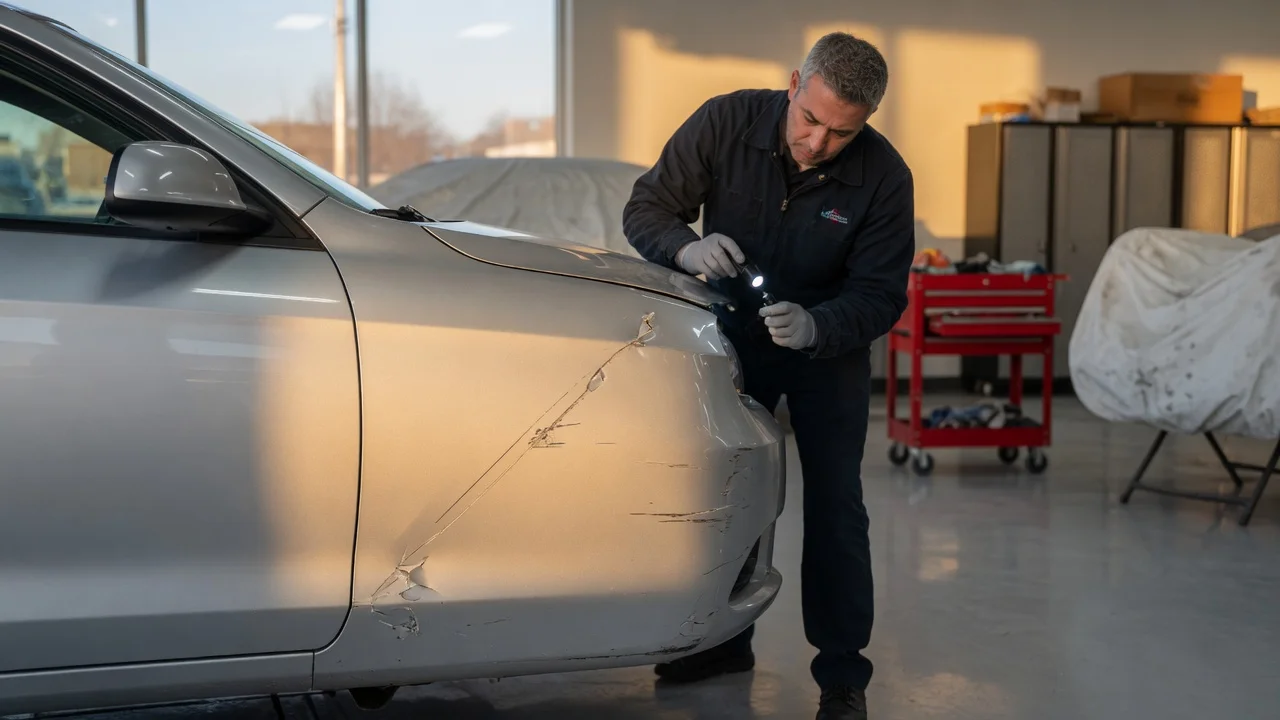
The Short Answer
Car insurance can cover scratches, but only when the damage falls under a coverage you purchased and the cause qualifies for that coverage. Scratches alone are usually a cosmetic issue rather than an accident, so the most relevant coverage is often collision or comprehensive insurance, depending on how the scratch occurred. Liability coverage, which is required in most states, pays for damage you cause to others and will not pay to repair scratches on your own vehicle.
Whether filing a claim is worthwhile is a separate question. A scratch repair may cost less than your deductible, and a claim can affect future premiums even when the insurer pays part of the bill. For many shallow scratches, paying out of pocket is the cheaper and simpler route.
Which Coverage Applies to a Scratch
Comprehensive Coverage
Comprehensive coverage handles damage from causes other than a collision with another vehicle or object. If a falling branch scrapes the body, a shopping cart is pushed into the door, or an animal claws the paint, comprehensive may apply after the deductible. Vandalism such as a deliberate keying is also commonly handled under comprehensive coverage, though insurers may class it as a specific vandalism claim.
Comprehensive coverage is optional unless a lender or leasing company requires it. Check your declarations page to confirm whether you carry it and what deductible applies.
Collision Coverage
Collision coverage pays for damage from hitting another vehicle or a stationary object, such as scraping a post, guardrail, or garage wall while maneuvering. A scratch caused by a parking-lot sideswipe may also fall here when another moving vehicle is involved. Like comprehensive, collision coverage is optional for an owned vehicle and subject to a deductible.
Uninsured Motorist Property Damage
In some states, uninsured motorist property damage coverage may pay for scratches caused by a hit-and-run driver or an at-fault driver without enough insurance. Availability and rules vary by state, and a deductible may still apply. This coverage is not sold in every market.
When Insurance Will Not Pay
You only have liability coverage and the scratch is on your own vehicle. The repair estimate is below or only slightly above your deductible. The scratch was already present when you purchased the policy or resulted from normal wear and deterioration. The policy excludes the specific cause, such as an intentional act by you or someone covered under the policy. The damage is purely cosmetic and you do not carry optional physical damage coverage.
Deductibles and Out-of-Pocket Costs
A physical damage claim pays the covered repair cost minus the deductible you selected, often five hundred or one thousand dollars for common policies. Because a shallow scratch may cost only a few hundred dollars to buff or touch up, the claim may pay nothing after the deductible is applied. Deeper scratches requiring panel repainting or replacement can cost more, which changes the calculation.
The payment decision should compare three figures: the repair estimate, the applicable deductible, and the likely long-term premium increase. If the amount the insurer would pay is minor, a claim may not be financially justified.
How a Scratch Claim Can Affect Your Premium
Filing a claim does not automatically raise your rate, but insurers may consider the claim type, fault, payout amount, and your history when setting a future premium. Collision claims in which you are at fault are more likely to affect pricing than comprehensive claims for causes such as weather or vandalism, but insurer practices differ. In some cases, even a small at-fault claim can lead to a surcharge or loss of a claims-free discount.
Other Repair Paths
For light scratches that do not expose metal, a professional detailer may be able to polish or wet-sand the area for less than a body-shop repaint. Touch-up paint can hide small chips and surface marks, though the finish is unlikely to match a professional repair. These options avoid a claim and preserve your claims history.
How to Decide Whether to File
Get a written estimate for the scratch repair from a shop or detailer. Check whether you have comprehensive or collision coverage and confirm the deductible. Estimate what the insurer would actually pay after the deductible. Ask your agent or insurer how a claim of this type could affect your premium, if they will provide that information. Compare the likely payout with the possible future premium cost and the value of keeping your claims record clean.
What to Check Before Assuming Coverage
Coverage terms are not identical across insurers or states. The exact classification of vandalism, hit-and-run damage, and parking incidents can vary by policy language and local regulation. The only reliable way to confirm whether a scratch is covered is to read your policy's physical damage provisions and talk to your insurer with the cause and repair estimate in hand.
Document the damage before deciding. Photograph the scratch and, if another vehicle or person caused it, record what you can about the incident. This helps whether you file a claim or pay for the repair yourself.
Bottom Line
Insurance may cover a scratch if you have comprehensive or collision coverage and the cause fits the policy, but the deductible and potential premium impact usually decide whether a claim is worthwhile. Small cosmetic scratches are often better handled out of pocket. For deep damage, an unknown cause, or a potentially covered event like vandalism, compare the repair cost against your deductible and ask your insurer how the claim would be handled before committing.