Does Car Insurance Cover Vandalism? Claims and Deductibles
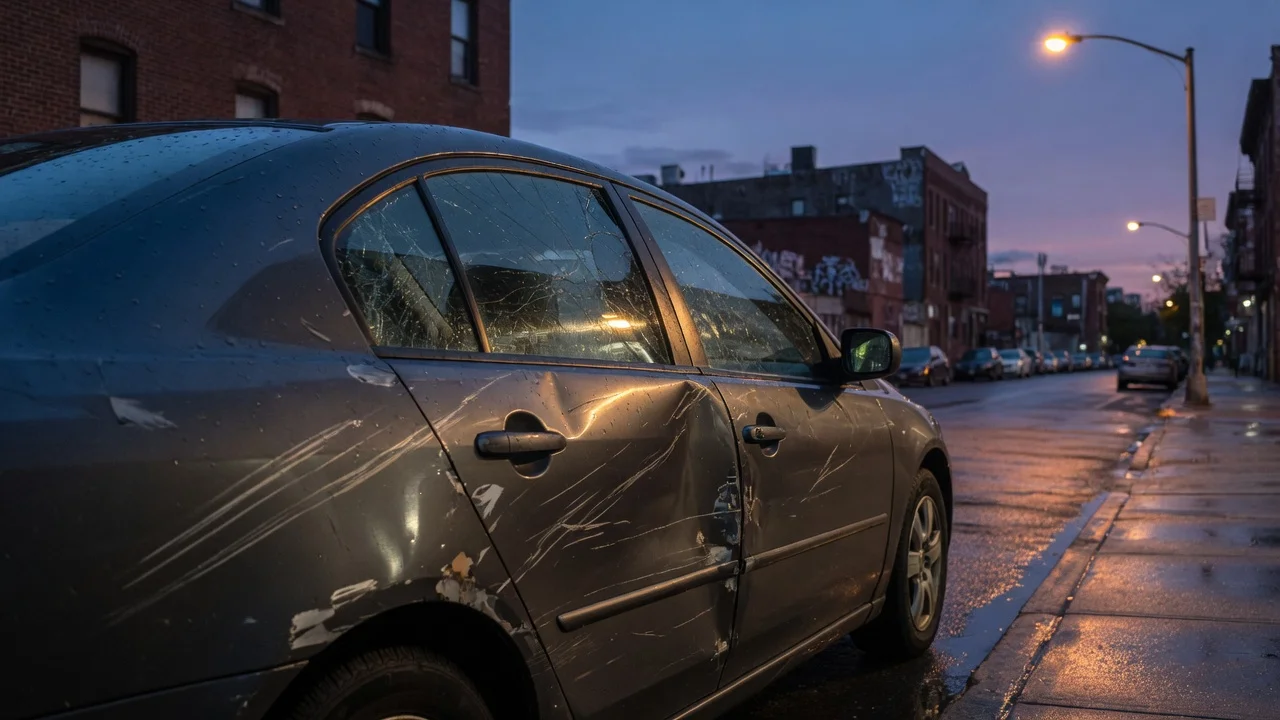
Does car insurance cover vandalism?
Vandalism to your own vehicle is typically covered only if the policy includes comprehensive coverage, sometimes labeled other-than-collision. That coverage is designed for sudden, accidental loss that is not a collision, including malicious damage such as keyed paint, broken glass, slashed tires, or graffiti. A liability-only policy does not pay to repair the insured car after vandalism. Collision coverage pays for impact with another vehicle or object, not for deliberate damage treated as vandalism. The actual answer on any claim is the policy wording, the deductible, any exclusion, and the rules of the jurisdiction where the policy is written.
Which part of the policy pays
Private passenger auto policies are usually built from separate coverages. Comprehensive is the part that generally responds to vandalism of the listed vehicle. Collision does not. Liability pays for injury or property damage the insured causes to others; it does not restore the insured’s own vandalized car. In markets that use different product names, such as comprehensive versus third-party-only motor policies, own-vehicle malicious damage is still a first-party comprehensive benefit, not a third-party benefit. If comprehensive is not on the declarations page, vandalism to the car is an out-of-pocket loss unless another first-party coverage or endorsement expressly applies.
Coverage Typical role after vandalism to your car; Comprehensive / other-than-collision Usually pays repair or total-loss value, minus the comprehensive deductible; Collision Does not apply when the loss is classified as vandalism; Liability Does not repair your vehicle; Uninsured or underinsured motorist property damage Applies to damage by an unidentified or uninsured driver in some markets, not to ordinary vandalism; Glass or windshield endorsement May change the deductible on broken glass if the policy includes it
Classification matters. If the damage looks like a hit-and-run impact rather than malicious defacement, an insurer may handle the claim as collision or as uninsured-motorist property damage where that coverage exists. That choice can change which deductible applies. The facts, photos, and any police report usually drive the classification, not the insured’s preferred label.
What insurers treat as vandalism
Vandalism, sometimes called malicious mischief in policy language, is intentional damage by someone other than the insured. Common examples include scratched or keyed bodywork, smashed windows, dented panels, cut convertible tops, punctured or slashed tires, broken mirrors, and paint or marker graffiti. Theft of parts can overlap with comprehensive theft coverage when items are stolen rather than only damaged. Wear, poor maintenance, mechanical failure, and damage the insured or a permitted user caused on purpose are outside this category. Coverage for a stolen or vandalized aftermarket stereo, custom paint, or other special equipment often depends on whether the policy or an endorsement lists that equipment; undocumented extras may be limited or unpaid. Exact definitions and sublimits are policy-specific and are not standardized across insurers or model years of a given vehicle.
Deductibles on a vandalism claim
A comprehensive deductible is the amount the policyholder pays first on a covered vandalism loss. The insurer then pays the rest of the covered repair cost, or the vehicle’s actual cash value if the car is a total loss, subject to policy limits. The deductible is chosen when the policy is bought or renewed and appears on the declarations page. Raising it usually lowers the comprehensive premium; lowering it does the reverse. Some policies use a separate, sometimes smaller, deductible for glass. Others apply the full comprehensive deductible to broken windows caused by vandalism. There is no single market-wide deductible amount, and figures should be read from the policy rather than assumed.
If repair cost is below the deductible, the insurer owes nothing on that loss and the owner pays the shop. If the car is declared a total loss, the settlement is typically actual cash value minus the deductible and minus any unpaid loan balance handling required by a lienholder. Actual cash value is replacement cost less depreciation, not the original sticker price and not necessarily the remaining loan balance. Gap coverage, if purchased, is a separate product that may address a loan shortfall after a total loss; it is not created automatically by a vandalism claim.
How a vandalism claim is usually handled
Document the scene before moving the car if it is safe to do so: wide photos, close-ups of each damaged area, and shots of the surroundings. Report the crime to local police when the insurer or local rules call for a report, and keep the report number. Many carriers ask for it on malicious-damage claims. Notify the insurer promptly and ask whether to use a drive-in inspection, a field appraiser, or a preferred shop. Follow any storage or tow instructions if the car cannot be driven. Do not authorize non-emergency repairs until the insurer has inspected or waived inspection, unless the policy or adjuster says otherwise. Emergency steps to prevent further loss, such as covering a broken window, are commonly expected. Provide estimates, receipts, and the vehicle identification number. A lienholder is often named on the settlement check for a total loss or large repair.
The insurer may take a recorded statement, inspect the vehicle, and reserve the right to investigate. Payment can be repair, replacement of a part, or a cash settlement. Aftermarket or recycled parts may be specified unless the policy requires original-equipment parts. Labor rates and betterment adjustments, such as reducing payment when a worn tire is replaced with a new one, depend on the contract and local regulation. If the person who caused the damage is identified, the insurer may later seek recovery from that person; that subrogation process does not replace the need to meet the deductible up front on a first-party comprehensive claim unless the policy or a recovered payment later reimburses it.
When filing may not be the better next step
A claim is a contractual request for payment, not an automatic win. If the estimated repair is near or below the deductible, filing mainly creates a claims record. Insurers underwrite on loss history, and a comprehensive claim can affect renewal pricing or eligibility even when the loss was not the driver’s fault. The size of any surcharge, whether a first comprehensive claim is forgiven, and how long a claim stays on a record vary by insurer, state or provincial filing, and the rest of the driving record. Those outcomes cannot be read from the vehicle’s trim or model year. Compare the out-of-pocket repair quote with the deductible, then ask the insurer how a paid comprehensive claim would be treated at renewal before deciding. Paying a small repair privately is a common choice when the math and the underwriting risk both point that way.
Limits, exclusions, and gaps in public guidance
This guide describes how standard personal auto structures usually allocate vandalism. It is not a reading of any one policy. Material terms that change the answer include whether comprehensive is in force, the deductible, listed drivers and vehicles, territorial limits, business-use restrictions, racing or other excluded uses, and any named exclusion for intentional acts by an insured. Company cars, rideshare activity, classic-car stated-value policies, and commercial auto forms can use different deductibles and settlement methods. No premium, deductible dollar figure, or claims statistic is stated here because those values are not supplied for a specific insurer, policy year, or market. Confirm coverage on the declarations page, the comprehensive deductible, glass terms if windows are involved, and local claim-reporting rules with the carrier or agent before a loss, and again before repairs begin.