Does Car Insurance Cover Vandalism? Deductibles and Claim Costs
Does car insurance cover vandalism?
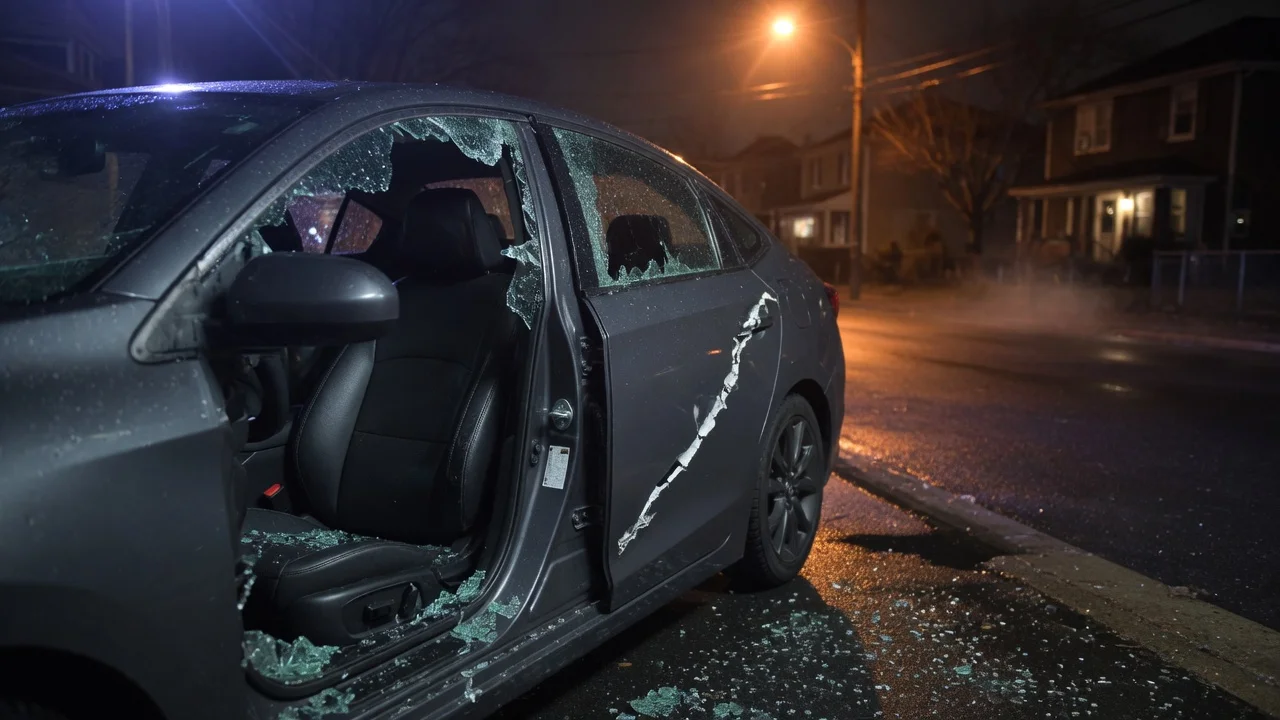
Vandalism to a vehicle is typically covered only when the policy includes comprehensive coverage, sometimes listed as other-than-collision coverage. That part of the policy is designed for damage that is not a crash, including deliberate acts such as keyed paint, broken glass, slashed tires, graffiti, and interior damage from a break-in. A liability-only policy pays for injury and property damage you cause to other people; it does not pay to repair vandalism on your own car.
The material qualification is the coverage you actually bought. Collision coverage applies to impact with another vehicle or object and does not substitute for vandalism. Uninsured-motorist coverage generally does not apply when the person who damaged the car is unknown and no collision occurred. Names, required coverages, and claim rules vary by country and, in the United States, by state and by insurer form, so the declarations page of the current policy is the controlling record.
Which policy parts pay, and which do not
Coverage Typical treatment of vandalism to your vehicle; Liability Does not repair your vehicle; Collision Does not apply to non-crash vandalism; Comprehensive / other-than-collision Typically covers vandalism, theft-related damage, glass, fire, weather, and animal strikes, subject to the comprehensive deductible; Uninsured or underinsured motorist Generally does not apply to anonymous vandalism without a covered collision
If the car is financed or leased, the lender or lessor usually requires comprehensive and collision, which is why many owners have vandalism coverage even if they would not have chosen it on a paid-off car. On an older vehicle kept on liability only, vandalism repairs come out of pocket. Commercial, collector, and specialty policies can use different wording; those contracts have to be read on their own terms.
How the deductible works on a vandalism claim
A comprehensive claim is reduced by the comprehensive deductible shown on the declarations page. That is the amount you agreed to pay first on each comprehensive loss. Collision and comprehensive deductibles can be different amounts on the same policy; a vandalism claim uses the comprehensive figure, not the collision figure.
If the estimated repair cost is at or below the deductible, the insurer has nothing left to pay, so filing a claim does not reduce what you spend on the repair. If the repair cost is higher, you pay the deductible and the insurer pays the covered remainder, up to the vehicle’s actual cash value. Actual cash value is the car’s market value just before the loss, after depreciation, not the price of a replacement vehicle or the original purchase price. Specific deductible dollars are chosen at purchase or renewal and are not a single industry standard.
Broken glass from vandalism is usually handled under comprehensive. Some policies use a separate glass deductible, a zero glass deductible, or a glass-only endorsement. Whether a chipped or smashed window is paid with a lower out-of-pocket cost than a keyed-panel claim depends on that glass language, which is not uniform across insurers.
What a vandalism claim actually costs
The insured’s direct claim cost is typically the comprehensive deductible, plus any repair items the insurer classifies as betterment, prior damage, or wear that was not caused by the vandalism. If the shop’s bill exceeds actual cash value, the insurer may declare a total loss and pay the actual cash value minus the deductible, rather than authorize a full repair. Sales tax, fees, and title handling on a total-loss settlement follow the policy and the state or provincial rules that apply to that claim.
Costs that often stay with the owner unless a specific endorsement applies include a rental car during repairs, diminished resale value after a documented claim, and aftermarket or custom parts that were not scheduled on the policy. Storage, towing, and teardown charges may be covered in part; what is paid depends on the policy’s other-than-collision and towing language.
Whether a vandalism claim raises future premiums is insurer- and jurisdiction-specific. Comprehensive losses are not treated the same as at-fault crashes in every rating plan, but a paid claim can still affect the record, the claims-free discount, or renewal terms. That effect cannot be stated as a single percentage. Comparing the uncovered repair bill with the deductible and with the possible rating impact is the practical decision before a claim is opened.
What to confirm before you file
Confirm that comprehensive or other-than-collision coverage is in force on the damaged vehicle and note the comprehensive deductible. Photograph the damage, the surrounding area, and any related theft or break-in evidence before the car is moved or repaired. File a police report when local rules or the insurer require one; many comprehensive vandalism claims ask for a report number. Obtain a written estimate and compare it with the deductible and with the car’s likely actual cash value. Ask the insurer how the claim will be coded, whether glass has a separate deductible, and whether rental reimbursement applies, then decide whether to proceed.
Coverage for a given incident still depends on the policy form, the listed drivers and vehicles, any named exclusions, and the facts of the loss. If those documents conflict with a general description of comprehensive coverage, the contract and the applicable insurance code control.