Does Car Insurance Cover Repairs? How the Cause of Damage Matters
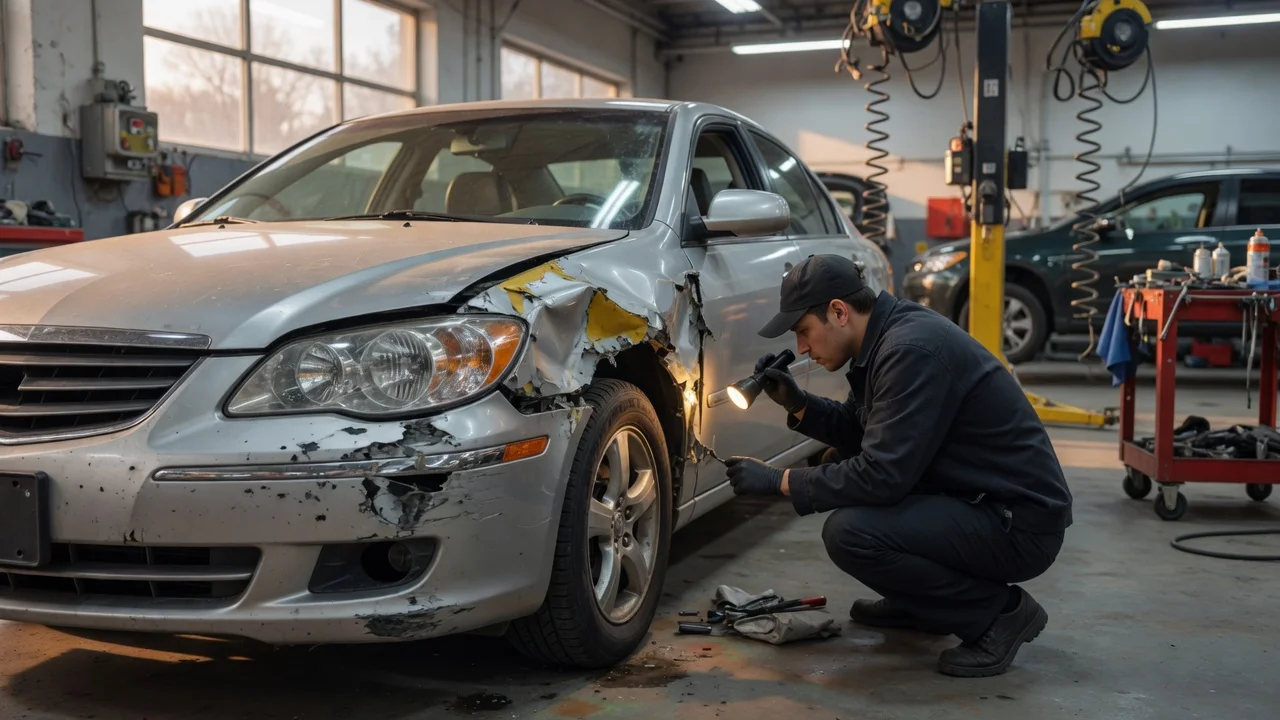
The essential answer
Car insurance can pay for repairs, but it does not pay for every repair. A claim is payable when the cause of the damage matches a coverage listed on the policy and any deductible or limit still leaves a benefit due. Standard personal auto insurance is built for sudden, accidental physical damage and for harm you cause to other people. It is not a general repair plan for wear, aging, or mechanical failure.
The subject of this question is physical repair of a vehicle after a loss—bodywork, glass, and related damage—not routine service. Scope changes with the policy form, the coverages purchased, the market’s legal rules, and how the vehicle was being used. A liability-only policy will generally not repair your own car. Collision and comprehensive (sometimes called other-than-collision) are the coverages that typically fund repairs to the insured vehicle. Exact names, bundling, and mandates vary by jurisdiction, and the contract controls.
Why the cause of damage decides the claim
Insurers do not approve a job because a panel is bent or a windshield is cracked. They classify the event that produced the damage, then match that event to a coverage the policyholder bought. The same repair estimate can be paid after a parking-lot impact and denied after neglected rust or a failed part. If the policy does not include the matching coverage, the repair bill stays with the owner.
How common events map to coverage
Typical personal-auto policies sort claims along the lines below. Product names and legal requirements are not uniform across markets.
A crash with another vehicle, a barrier, a curb, a pole, or a parked car is generally a collision claim on your own policy, if you carry collision coverage. Theft, attempted theft, vandalism, hail, flood, fire, falling objects, and striking an animal are generally comprehensive claims, if you carry comprehensive coverage. Damage you cause to someone else’s vehicle is generally paid under your liability coverage, up to the policy limits, when you are at fault. Liability does not repair your own car. Damage an at-fault driver causes to your vehicle may be paid under that driver’s liability coverage. Your collision coverage can still be used to repair your car; insurers may later recover from the at-fault party. Uninsured or underinsured motorist property-damage coverage, where it is sold, may pay to repair your vehicle when the at-fault driver has too little insurance or none. It is not offered in every market and may carry conditions. Injury coverages such as medical payments or personal injury protection, where required or purchased, address medical costs rather than vehicle repairs.
When repairs are typically outside the policy
Standard auto insurance is not a warranty and not a maintenance plan. Gradual wear, corrosion from age, mechanical or electrical breakdown, and damage from lack of upkeep are typically excluded unless a separate mechanical-breakdown product was purchased. Damage that predates the policy, losses from uses the policy excludes (such as racing, when that exclusion applies), and operation by a driver the policy excludes can also fall outside coverage. Aftermarket equipment is often limited unless it is listed or endorsed. Exclusion lists differ by form; the policy language is the source of a definite answer, and that detail is not supplied here.
Terms that can still leave you with the bill
A covered cause does not always mean a paid repair. Collision and comprehensive claims usually apply a deductible; if the work costs less than that amount, the insurer typically pays nothing. The insurer may treat the vehicle as a total loss when repair cost is high relative to actual cash value—the vehicle’s market value just before the loss—in which case the claim becomes a settlement rather than an authorization to repair. Liability payments for other people’s vehicles are capped by policy limits. Glass often falls under comprehensive and may use a different deductible, depending on the policy and local rules. Rideshare, delivery, or other business use can change or exclude coverage unless the policy is written for that use. Parts type, labor rates, and valuation methods can be set by the contract and by local rules; those details are not uniform and cannot be stated as a single specification.
What to do next
Read the declarations page for collision, comprehensive, liability limits, deductibles, and endorsements, then report the cause of damage accurately. Photograph the vehicle and the scene, keep estimates and invoices, and ask whether an inspection is required before non-emergency work starts. If another driver was involved, exchange insurance information; payment may come from that policy, yours, or both in sequence. For a specific loss, the policy and the insurer’s claim decision control.